
Your Fingerprint, Your Password: The Advancement of Biometric Security and Its Daily Uses
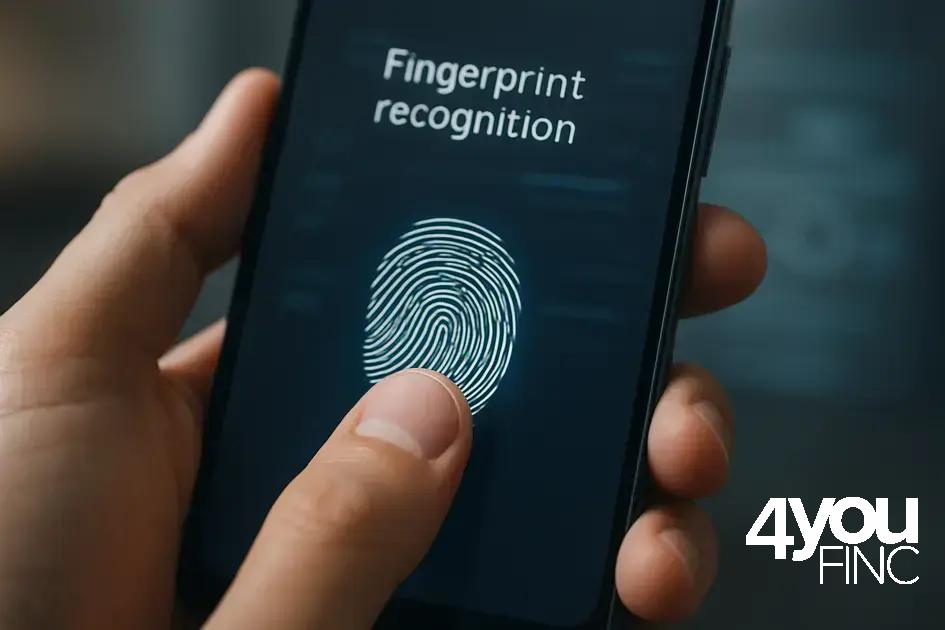
Biometric Security is reshaping how we protect our data daily, turning fingerprints into the key for safer digital access.
If you feel like your paycheck barely makes it to your account before disappearing, you’re not alone. Many people face the same situation—and it’s not for lack of effort. In this post, I speak directly about what to do when money runs out, debts pile up, and desperation sets in.
Without promising miracles, I explain where to start: understand where your money is going, organize the essentials, and cut back on what you can—even if it seems small. I share practical tips on renegotiating debts, how to deal with banks, and what to avoid (spoiler: easy loans don’t always help).
I also talk about mindset: getting out of the red isn’t just about math—it’s about building the habit of looking at money without guilt and striving to improve little by little.
And I emphasize this: even with low income, you can start over. Step by step, with patience and the right information, financial turnaround is possible.
Biometric Security might sound like something out of a spy movie, but it’s already part of everyday life. Have you ever unlocked your phone with a fingerprint or face scan? This tech offers a smarter way to keep your digital world safe, and it’s growing fast. Let’s dive into how it works and why it matters to you.
what is biometric security and how does it work
Biometric security is a method of identifying individuals based on their unique physical or behavioral characteristics. This includes fingerprints, facial features, iris patterns, voice recognition, and even ways people type or walk. Biometric systems work by capturing these specific traits and comparing them to stored data to verify identity.
The process usually starts with capturing a biometric sample using a sensor. For example, a fingerprint scanner reads the ridges and valleys of your finger. This data is then converted into a digital template, which is stored securely or compared immediately with existing templates to grant or deny access.
Unlike passwords, which can be forgotten or stolen, biometrics rely on characteristics that are inherently tied to each person, making them harder to fake or lose. However, biometric security also requires careful handling to protect privacy and prevent unauthorized access to sensitive biometric data.
How biometric verification happens
Verification involves two main steps: enrollment and authentication. First, during enrollment, your biometric data is collected and saved. Then, in authentication, the system compares the live sample you provide to the stored data and decides if it matches. This comparison uses complex algorithms to ensure accuracy while minimizing false acceptances or rejections.
Biometric systems are now common in devices like smartphones, laptops, and building security, helping users unlock devices and authorize transactions swiftly and securely.
common biometric technologies in use today
Today, several biometric technologies are widely used to enhance security and simplify authentication. Fingerprint scanning is one of the most common methods, found in smartphones, laptops, and access control systems. It captures the unique patterns of ridges and valleys on your finger to verify identity quickly.
Facial recognition technology analyzes facial features, such as the distance between eyes and the shape of cheekbones, to authenticate users. This method is popular in smartphones and airport security for its speed and convenience.
Iris scanning uses the unique patterns in the colored ring of the eye. It offers high accuracy and is used in high-security areas, government buildings, and border control.
Another rising technology is voice recognition, which identifies users based on vocal patterns such as tone, pitch, and rhythm. It is commonly integrated into phone banking, virtual assistants, and smart home devices.
Behavioral biometrics are also gaining traction. This includes analyzing how you type on a keyboard or the way you walk. These methods continuously monitor behavior to detect anomalies and add a layer of security.
Integration of multiple biometric systems
Many modern security solutions combine these technologies to create multi-factor authentication. For example, a system might require a fingerprint scan plus facial recognition to unlock a device, increasing protection against fraud.
Each biometric technology has its strengths, and their combined use helps balance convenience with security for everyday users.
advantages of biometric security over traditional passwords
Biometric security offers numerous advantages over traditional passwords, changing the way we safeguard our personal information. First, biometrics provide unique identification since traits like fingerprints or retina patterns are almost impossible to replicate or steal, unlike passwords which can be guessed or hacked.
Another key benefit is convenience. Users no longer need to remember complex passwords or write them down. Authentication becomes quick and seamless by just scanning a fingerprint or face, making daily access to devices and accounts effortless.
Biometric systems also reduce the risks associated with password sharing or reuse, which are common vulnerabilities. This technology links the access directly to the authorized individual, dramatically lowering the chance of unauthorized entry.
Additionally, biometric data is harder to lose or forget, unlike pins or passwords, improving security and user experience simultaneously.
Improved resistance to cyber attacks
Since biometric data cannot be easily intercepted during transmission, the risk of phishing attacks or data breaches decreases. Many systems store biometric templates in encrypted formats, further protecting user information.
Also, biometric authentication aids in audit trails. It’s easier to track who accessed a system and when, supporting better security monitoring.
Overall, the combination of uniqueness, convenience, and enhanced security makes biometric security a preferred choice compared to traditional password methods in today’s digital environment.
potential risks and how to mitigate them
While biometric security offers strong protection, there are potential risks users should be aware of. One major concern is the possibility of biometric data being stolen or hacked. Unlike passwords, biometrics cannot be changed once compromised, making data breaches particularly damaging.
Another risk involves false positives and false negatives. Sometimes biometric systems may mistakenly grant access to unauthorized users or deny access to legitimate ones due to sensor errors or poor data quality.
Privacy issues also arise because biometric data is deeply personal. Unauthorized collection or use of this data can lead to identity theft and misuse.
How to mitigate these risks
To reduce risks, organizations must ensure biometric data is encrypted and stored securely, often using complex algorithms to protect information from cyberattacks. Implementing multi-factor authentication adds extra layers of security by combining biometrics with PINs or passwords.
Regular system updates and maintenance improve accuracy and lower the chances of false readings. User education also plays a key role, teaching people how to use biometric devices properly and be alert to potential security threats.
Finally, strict privacy policies and legal regulations should guide how biometric data is collected, used, and shared, ensuring users’ rights are protected.
daily applications of fingerprint recognition
Fingerprint recognition is one of the most popular biometric technologies and has many practical daily applications. One of the most common uses is to unlock smartphones and tablets quickly and securely. This replaces the need to type passwords or PINs and adds a personal layer of security.
Many workplaces use fingerprint scanners for employee attendance and access control. This ensures that only authorized personnel can enter specific areas while making time tracking more efficient.
Banking and payment systems are also adopting fingerprint recognition to authorize transactions. This method speeds up payments and reduces fraud risk.
Accessing personal devices and services
Besides phones and offices, fingerprint recognition is used in laptops and smart home devices. It allows residents to unlock doors or disable alarms with a simple touch.
Healthcare facilities use fingerprint systems to protect patient data and ensure only approved staff can access sensitive information.
Even public transportation systems have started using fingerprint scans for ticketing and commuter identification, bringing convenience and safety to daily travel.
Overall, fingerprint recognition helps combine security with ease of use in many everyday scenarios, making life smoother and safer.
how biometric data is stored and protected
Biometric data is highly sensitive and requires careful storage and protection to prevent misuse or theft. Usually, this data is not stored as raw images; instead, biometric systems convert features into encrypted digital templates. These templates represent unique biometric markers in a coded form, reducing the risk of exposing actual physical traits.
Data is often stored locally on devices, like smartphones, or on secured servers with strict access controls. Many systems use advanced encryption standards (AES) to protect stored biometric templates, making it extremely difficult for attackers to decode or alter the data.
Techniques for protecting biometric data
Multi-layered security includes using hardware security modules (HSMs) to manage encryption keys and applying techniques such as data anonymization and tokenization. These methods mask real biometric data with substitutes to keep the original information safe.
Secure transmission protocols like TLS (Transport Layer Security) are also employed when biometric data transfers occur between devices and servers, ensuring data can’t be intercepted easily.
Furthermore, many biometric systems implement liveness detection to verify that the biometric sample is from a living person and not a fake or copy, which adds a layer of protection against spoofing attacks.
Complying with privacy laws such as GDPR and CCPA is essential, ensuring that users have control over their biometric information and that companies maintain transparency about data use.
impacts of biometric security on privacy
Biometric security significantly impacts privacy, raising both benefits and concerns. On one hand, biometric data offers a reliable way to safeguard personal identity since it is unique and hard to fake. However, collecting and storing this data creates privacy risks if not handled properly.
One concern is the potential for unauthorized access or misuse of biometric information, which can lead to identity theft or surveillance without consent. Unlike passwords, biometric traits cannot be changed if compromised, making privacy protection crucial.
Privacy regulations and user control
Many regions have implemented laws like GDPR and CCPA to regulate biometric data collection and use. These laws require organizations to obtain explicit consent and provide transparency about how data is handled.
Strong privacy policies include data minimization—only collecting data necessary for the purpose—and strict access controls to prevent leaks or abuses.
Users also expect clear options to manage and delete their biometric data from systems, increasing trust in the technology.
Balancing security with privacy is key. Companies must ensure biometric systems protect individual rights while delivering effective security, maintaining an ethical approach to technology use.
future trends in biometric security technology
The future of biometric security technology is full of exciting advancements aimed at improving accuracy, convenience, and privacy. One key trend is the integration of artificial intelligence (AI) and machine learning to enhance recognition speed and reduce errors. These systems can learn and adapt to slight changes in biometric features, making authentication more reliable.
Another trend is the rise of multi-modal biometrics, which combines different biometric methods like fingerprint, face, and voice recognition. This layered approach offers stronger security by requiring multiple forms of verification.
Advances in wearable biometrics
Wearable devices that monitor unique biological signals such as heartbeat patterns or skin conductivity are emerging. These continuous authentication methods offer ongoing security rather than one-time verification.
Privacy-centric biometrics are also gaining importance. Technologies that perform biometric processing entirely on local devices without transmitting data to servers help protect user information.
In addition, contactless biometric systems are becoming more popular, especially after the COVID-19 pandemic, as they reduce physical touchpoints and increase hygiene.
As biometric technology evolves, we can expect more seamless, secure, and user-friendly applications in various areas of daily life.
Looking Ahead: The Future of Biometric Security
Biometric security is transforming how we protect our personal information, making access easier and safer. As technology advances, features like AI integration and multi-modal biometrics will make security even stronger and more convenient.
Privacy and usability will continue to shape these innovations, ensuring that biometric systems respect user rights while providing robust protection.
Embracing these trends can help individuals and organizations stay ahead in an increasingly digital world, where identity protection is more important than ever.


