
Blockchain, Cryptocurrency, and Bitcoin: Understand the Differences in Simple Terms
Demystifying blockchain, cryptocurrency, and Bitcoin—clear, simple, and easy to understand
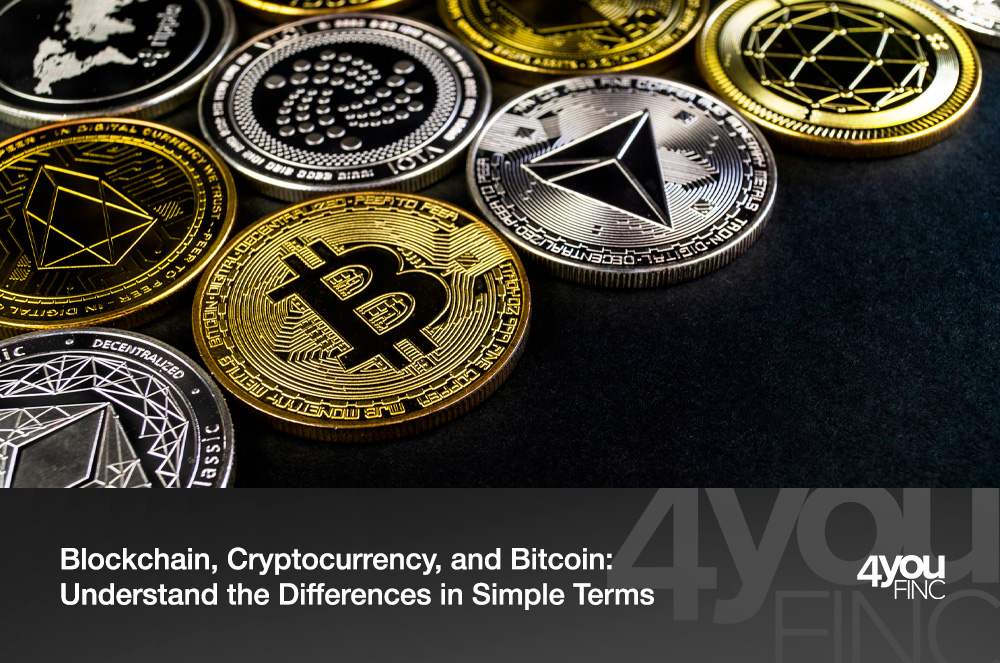
If you’ve ever felt overwhelmed by terms like blockchain, cryptocurrency, or Bitcoin, you’re not alone. They seem to pop up everywhere—on the news, in conversations, and even in casual scrolls through social media. But what do they really mean? Are they the same thing? And do you need a tech background to understand them?
The short answer: no, you don’t. While these terms are closely related, they’re not identical, and each one serves a distinct purpose in the digital world. Think of them as parts of a larger ecosystem—blockchain is the foundation, cryptocurrencies are the applications built on top of it, and Bitcoin is the most famous example of one of those applications.
In this article, we’ll break these concepts down into simple, digestible pieces—no jargon, no overwhelming technical explanations. By the time you finish reading, you’ll understand how they’re connected, why they matter, and how they’re shaping the future. Let’s get started.
What Is Blockchain? The Tech Behind the Buzz
To understand blockchain, let’s start with a mental image: picture a shared notebook that everyone can write in, but no one can erase or change. This notebook is constantly updated, and everyone has a copy of it. If someone tries to cheat—say, by changing a past entry—it wouldn’t match everyone else’s copies, so the change would be rejected. That’s essentially how blockchain works.
At its core, blockchain is a type of digital ledger that records transactions. But unlike traditional ledgers kept in one central place, blockchain is decentralized—it’s distributed across a network of computers worldwide. Every transaction is grouped into a “block,” and once that block is full, it’s linked to the one before it, forming a “chain.” This makes the blockchain secure and tamper-proof.
What makes blockchain so revolutionary isn’t just its security—it’s also incredibly versatile. While it’s most famous for powering cryptocurrencies, blockchain can be used for things like tracking supply chains, securing medical records, or even verifying votes in elections. It’s the technology that sets the stage for everything else.
Cryptocurrency: The Digital Money of the Future
If blockchain is the technology, then cryptocurrency is one of its most popular uses. Think of cryptocurrency as money made for the internet. Unlike the cash in your pocket or the balance in your bank account, cryptocurrencies are completely digital—they don’t exist in physical form.
Here’s where it gets interesting: cryptocurrencies are powered by blockchain, which means they’re decentralized and secure. This means you can send money to someone anywhere in the world without needing a bank or payment service like PayPal. It’s fast, transparent, and often cheaper than traditional methods.
Some defining features of cryptocurrency include:
- No Middlemen: You deal directly with the person you’re sending money to, cutting out banks or other intermediaries.
- Global Access: Cryptocurrencies work the same way everywhere, so you don’t have to worry about exchange rates or international transfer fees.
- Limited Supply: Many cryptocurrencies, like Bitcoin, are designed with a fixed supply, which can make them valuable over time.
There are thousands of cryptocurrencies out there—Bitcoin, Ethereum, and Ripple (XRP) are just a few of the big names. Each one serves a different purpose: for example, Ethereum allows developers to build apps on its platform, while Ripple focuses on fast, low-cost international transfers.
Bitcoin: The OG Cryptocurrency
When people hear “cryptocurrency,” they often think of Bitcoin—and for good reason. Bitcoin is the original cryptocurrency, created in 2009 by an anonymous figure (or group) known as Satoshi Nakamoto. Its invention marked the beginning of a financial revolution.
So, what’s the big deal about Bitcoin? Here are a few reasons why it’s so famous:
- Scarcity: Only 21 million Bitcoins will ever exist. This built-in scarcity makes it similar to gold and has led to its nickname “digital gold.”
- Decentralization: Bitcoin transactions are verified by the blockchain, not by banks or governments. This gives users more control over their money.
- Security: Every Bitcoin transaction is encrypted and recorded on the blockchain, making it nearly impossible to alter or counterfeit.
While Bitcoin is often seen as an investment (a “store of value”), it can also be used for payments. However, due to its volatility—its price can swing wildly—it’s not the go-to option for everyday purchases. Instead, many people treat it as a digital asset to hold onto, hoping its value will increase over time.
How Do They All Fit Together?
Now that we’ve covered the basics, let’s connect the dots. Think of blockchain as the engine that makes everything possible. Cryptocurrencies are like the cars that run on that engine, and Bitcoin is the first car ever made. Without blockchain, cryptocurrencies wouldn’t exist. And while Bitcoin is the most famous cryptocurrency, it’s just one of many.
Here’s another analogy: blockchain is like the internet, cryptocurrency is like email, and Bitcoin is like Gmail. Blockchain provides the infrastructure, cryptocurrency is the tool, and Bitcoin is just one example of how that tool is used.
Key Differences at a Glance
To make things even clearer, here’s a quick comparison:
| Feature | Blockchain | Cryptocurrency | Bitcoin |
|---|---|---|---|
| Definition | A decentralized, secure digital ledger | Digital money that runs on blockchain | The first and most famous cryptocurrency |
| Purpose | Recording and verifying data | Facilitating online payments and transfers | Store of value and digital currency |
| Control | No central authority | Decentralized, varies by cryptocurrency | Fully decentralized |
| Scope | Used across industries, not just finance | Focused on digital finance | A specific cryptocurrency |
Why Should You Care?
Even if you’re not tech-savvy, these concepts are worth paying attention to. Blockchain, cryptocurrency, and Bitcoin are changing the way we think about money, technology, and even trust. Here are a few reasons they matter:
- More Financial Freedom: Cryptocurrencies let people manage their money without relying on banks, especially in countries where banking systems are unreliable or inaccessible.
- Lower Costs: By cutting out middlemen, cryptocurrencies make transactions cheaper and faster.
- Innovation: Blockchain is driving exciting developments, from secure voting systems to decentralized apps (dApps).
The Risks You Should Know
Of course, it’s not all sunshine and rainbows. Cryptocurrencies are incredibly volatile—their value can skyrocket one day and crash the next. If you’re thinking about investing, it’s crucial to be prepared for these ups and downs.
Another risk? Scams and fraud. Because the crypto world is still relatively new and not fully regulated in many places, it’s a breeding ground for shady schemes. Always do your research, use trusted platforms, and never invest more than you can afford to lose.
Blockchain, cryptocurrency, and Bitcoin might sound intimidating at first, but they’re not as complicated as they seem. Blockchain is the technology that powers it all, cryptocurrencies are the digital money it enables, and Bitcoin is the trailblazer that started the movement.
These innovations are still evolving, but one thing is clear: they’re here to stay. Whether you’re curious about investing, fascinated by the technology, or just trying to stay informed, understanding the basics is a great place to start. After all, the future is digital—and now you’re one step closer to understanding it.


