
How to Plan a Realistic Monthly Grocery Budget
Groceries are one of the few major budget categories that's genuinely flexible month to month, which makes them both easy to overspend on and one of the more effective places to build a realistic, sustainable budget around.
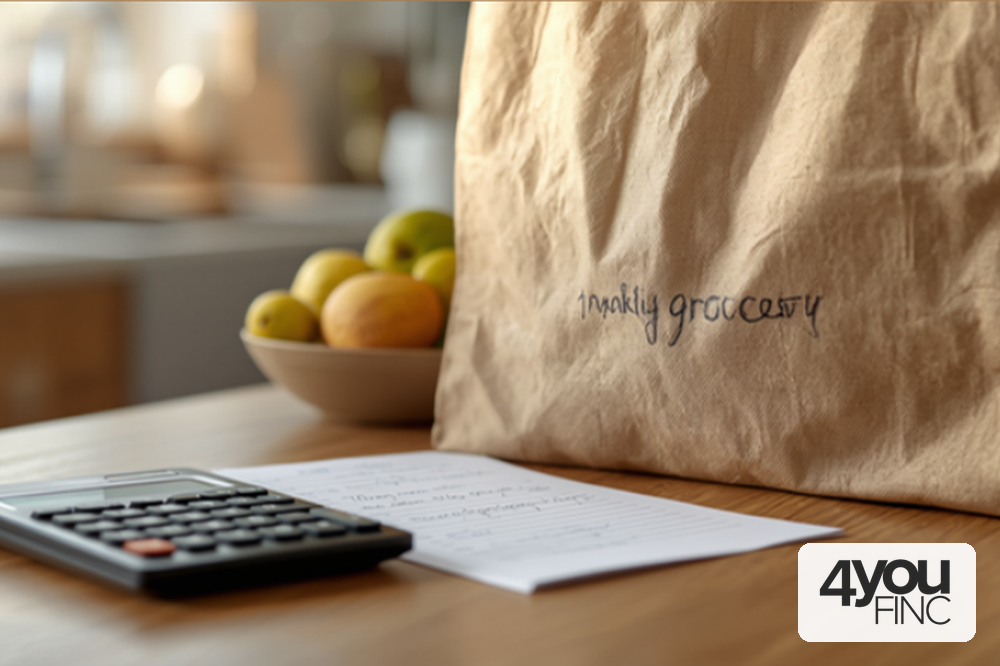
Groceries are one of the few major budget categories that’s genuinely flexible month to month, which makes them both easy to overspend on and one of the more effective places to build a realistic, sustainable budget around. The key is setting a number based on your actual habits, not some arbitrary target you picked up somewhere else.
Start With What You Actually Spend Now
Pull Three Months of Real Data
Before setting a grocery budget, look back at your last two or three months of actual grocery spending. Most banking apps categorize this automatically for you. Starting from a real baseline is far more useful than guessing at a number that sounds reasonable but doesn’t match how you actually shop.
Watch out for miscategorized purchases while you’re at it. A lot of banking apps lump a pharmacy run or a household supply trip into the same “groceries” bucket as actual food, which can inflate the number you’re working from. Skimming a couple of receipts to spot-check the category is worth the extra five minutes.
Set a Realistic Target, Not an Aspirational One
A budget that’s dramatically lower than your current spending is more likely to get abandoned within a few weeks. Here’s what tends to actually hold up: trimming 10 to 15 percent off your real average. Cutting a budget in half overnight usually just leads to overspending again once the initial motivation fades.
If your current spending includes a lot of convenience purchases, takeout counted as groceries, prepared meals, that kind of thing, there’s often more room to trim than the modest percentage suggests. But start conservative anyway. It’s a lot easier to tighten a budget that’s working than to loosen one that never had a chance to succeed in the first place.
Structure the Budget Around How You Actually Shop
Weekly vs. Biweekly Budgeting
Splitting a monthly grocery budget into weekly amounts tends to work better than treating it as one lump sum, since a weekly number is easier to keep in your head while you’re actually standing in the store making decisions.
Plan Meals Around What’s Already in the Budget
Instead of planning meals first and pricing them afterward, try it the other way around: decide the weekly amount first, then plan meals that fit comfortably inside it using whatever’s on sale that week.
Track Without Obsessing
Checking a receipt total against your weekly number takes seconds and keeps you honest without requiring a detailed spreadsheet of every single item you bought. The goal is staying roughly on track, not achieving perfect precision down to the last dollar.
Build in a Small Buffer
Grocery prices fluctuate, and one unusually expensive week for a single category shouldn’t derail your entire budget. Build in a small buffer, even 5 to 10 dollars a week, and it absorbs normal price swings without making the whole budget feel like it failed the moment one item costs more than expected.
In practice, this buffer is what keeps the whole system from feeling brittle. Without it, a single price spike on something ordinary, eggs, ground beef, whatever it happens to be that month, can make an otherwise reasonable budget feel broken, which is exactly the kind of thing that makes people give up on budgeting altogether.
Think of the buffer less as extra spending money and more as insurance for your own motivation. A budget that can absorb a little bad luck without feeling like a failure is a budget you’re actually going to stick with past the first month.
What This Means for You
A grocery budget that actually lasts starts with real numbers, not aspirational ones, and gets tracked loosely enough to stay sustainable. Small, realistic adjustments tend to hold up far longer than a dramatic cut that looks good on paper but doesn’t survive contact with an actual shopping trip.


