
Beyond the Smartwatch: The Wearable Technology Revolution in Health and Wellness
Wearable technology is transforming health and wellness with devices that go far beyond smartwatches, offering real-time insights and personalized care.
If you feel like your paycheck barely makes it to your account before disappearing, you are not alone. Many people face this struggle — and it’s not for lack of effort. In this post, I talk plainly about what to do when money runs out, debts pile up, and panic sets in.
Without promising miracles, I explain where to start: understanding where your money is going, organizing the essentials, and cutting back wherever possible (even if it seems small). I share practical tips on negotiating debt, dealing with banks, and what to avoid (spoiler: easy loans don’t always help).
I also discuss mindset: getting out of the red isn’t just about numbers — it’s about forming the habit of looking at money without guilt and aiming to improve step by step.
And I emphasize: even with a low income, it’s possible to start over. One step at a time, with patience and the right information, financial turnaround can happen.
Wearable technology is no longer just about smartwatches. Have you noticed how these gadgets now track everything from heart rate to sleep quality? Let’s explore how this revolution is shaping health and wellness in ways you might not expect.
what is wearable technology and how it works
Wearable technology refers to electronic devices that are worn on the body to collect data, provide real-time feedback, and enhance daily life. These devices typically connect to smartphones or other systems to track health, fitness, or activity levels. Common examples include smartwatches, fitness trackers, and smart glasses.
How wearable technology works
Most wearables use sensors to monitor physical activities and vital signs. For instance, accelerometers measure movement, while heart rate sensors track your pulse. Data collected is processed through software that interprets patterns and provides insights through apps.
Wearables rely on wireless technologies like Bluetooth or Wi-Fi to sync with mobile devices, enabling continuous updates and notifications. Some advanced wearables also include GPS for location tracking and environmental sensors to monitor air quality or UV exposure.
Applications beyond fitness
While many wearables started as fitness tools, they have expanded into medical monitoring, assisting people with chronic conditions by tracking blood glucose levels or detecting irregular heartbeats. This capability allows timely interventions and better management of health.
Wearable technology works by blending hardware sensors with powerful software algorithms, transforming raw data into meaningful information that helps users stay informed about their health and wellness.
main types of wearable devices beyond smartwatches
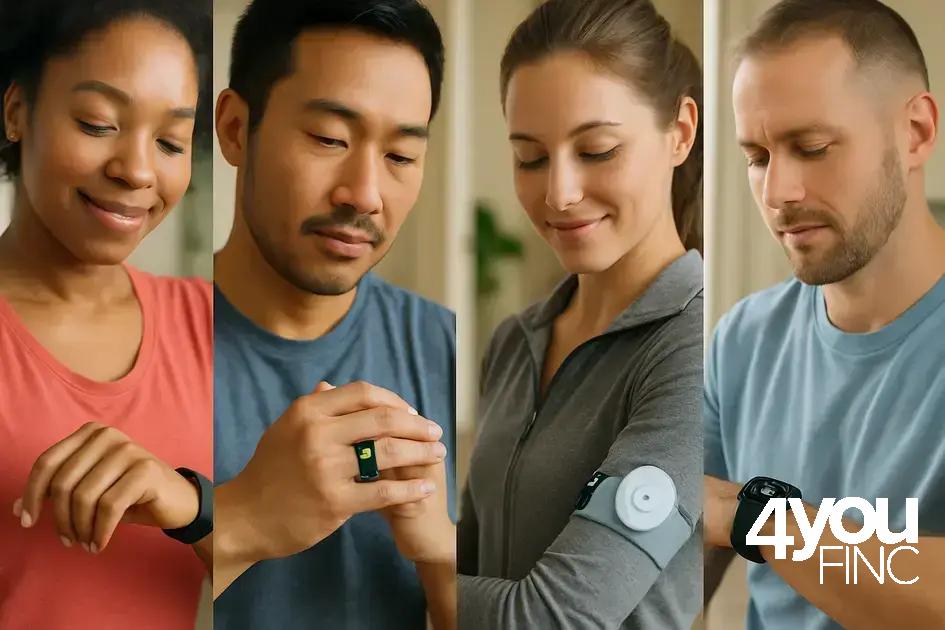
Besides smartwatches, there is a wide range of wearable devices designed to enhance health and wellness. Fitness trackers are popular for monitoring steps, sleep, and calories burned. They often offer features like heart rate tracking and workout recognition.
Smart Rings
Smart rings are compact devices worn on the finger that track sleep, heart rate, and activity levels. Their discreet design makes them an appealing alternative for users who prefer less bulky options while still accessing detailed health data.
Wearable ECG Monitors
These devices specifically track heart rhythms and can detect irregularities like atrial fibrillation. They are crucial tools for people needing continuous cardiac monitoring outside hospital settings.
Smart Glasses
Smart glasses provide heads-up displays and can assist with fitness coaching, navigation, and notifications, blending technology seamlessly into daily routines without the need for handheld devices.
Wearable Posture Correctors
These devices monitor your posture in real time and provide gentle vibrations or alerts when you slouch, promoting better spinal health and reducing the risk of chronic pain.
Wearable technology goes well beyond smartwatches by integrating diverse hardware for specific health functions, each enhancing user experience and providing valuable data for personalized wellness.
how wearable tech is changing health monitoring
Wearable technology is profoundly changing health monitoring by enabling continuous and real-time data collection. Unlike traditional check-ups, wearables provide ongoing insights into vital signs like heart rate, oxygen levels, and activity patterns, giving users and healthcare providers a clearer picture of health.
Early detection and prevention
Wearables help detect health issues early by identifying irregularities such as abnormal heart rhythms or sleep disturbances. These early warnings allow for timely medical intervention, reducing risks and improving outcomes.
Remote patient monitoring
Patients with chronic conditions can be monitored remotely through wearable devices. This reduces hospital visits and allows doctors to adjust treatments based on up-to-date data, improving personalized care and overall management.
Behavioral insights and motivation
Wearables encourage healthier habits by tracking physical activity and sleep quality. They provide feedback and set goals, motivating users to maintain active lifestyles and improve wellbeing through smart reminders and challenges.
Integration with healthcare systems
Many wearable devices sync with electronic health records, allowing seamless sharing of data with medical professionals. This integration fosters better communication and more informed decision-making in treatment plans.
Overall, wearable health technology bridges the gap between daily life and medical care, making health monitoring more accessible, accurate, and personalized than ever before.
impact on fitness and personalized wellness
Wearable technology has a profound impact on fitness and personalized wellness by offering tailored insights based on individual data. Devices track workouts, heart rate, calorie burn, and sleep quality, helping users understand their bodies better and achieve fitness goals effectively.
Customized fitness plans
Many wearables analyze the data collected to create personalized workout recommendations. These plans adjust in real-time based on progress, helping users stay motivated and avoid injuries by not overtraining.
Tracking nutrition and hydration
Some wearable devices sync with apps to monitor nutrition intake and hydration levels. This holistic approach supports wellness by balancing diet and exercise for optimal health outcomes.
Stress management and mindfulness
Wearables also offer tools for tracking stress through physiological signals like heart rate variability. Guided breathing exercises and reminders for mindfulness help users maintain mental well-being alongside physical fitness.
Goal setting and social features
Users can set personal goals and share achievements with communities, creating motivation through support and friendly competition. These connections enhance commitment to wellness routines.
By combining real-time monitoring with personalized feedback, wearable tech empowers users to take control of their fitness journey and overall health in a way that fits their lifestyle.
wearables in chronic disease management
Wearable technology plays a critical role in chronic disease management by providing continuous monitoring and data collection. Devices track vital signs such as blood pressure, glucose levels, and heart rate, offering patients and doctors real-time insights to better manage conditions.
Diabetes management
Wearable glucose monitors enable people with diabetes to track their blood sugar without frequent finger pricks. These devices provide alerts for high or low glucose levels, helping users take immediate action and avoid complications.
Cardiovascular monitoring
Wearables can detect irregular heartbeats and monitor blood pressure trends, assisting in the management of heart diseases. Real-time data empowers patients to recognize warning signs early and seek timely care.
Respiratory health
Devices that track oxygen saturation and breathing patterns support patients with asthma or COPD by signaling when symptoms worsen, allowing for prompt treatment adjustments.
Medication adherence
Some wearables remind users when to take medications and record adherence, improving treatment outcomes and reducing hospitalizations.
Overall, wearables enhance chronic disease care by promoting self-management, reducing hospital visits, and enabling proactive healthcare decisions based on accurate, continuous data.
privacy and data security concerns with wearables
As wearable technology collects vast amounts of personal health data, privacy and data security are significant concerns. Users must understand how their sensitive information is protected and who can access it.
Data collection and storage
Wearables gather data such as heart rate, location, and activity levels. This information is often stored on cloud servers, creating potential risks if security measures are insufficient or if data is shared without consent.
Risks of data breaches
Unauthorized access to wearable data can lead to identity theft, discrimination, or misuse of medical information. Companies must implement strong encryption and safeguard data against hackers and cyberattacks.
User consent and transparency
It is crucial that users are informed about what data is collected and how it is used. Clear privacy policies and options to control data sharing empower users to protect their own information.
Regulations and compliance
Wearable tech companies must comply with laws like HIPAA and GDPR, which set standards for protecting health data privacy. Compliance requires regular audits and robust security protocols.
Overall, addressing privacy and security issues is essential to build trust and ensure the safe use of wearable technology in health and wellness.
future trends in wearable technology
The future of wearable technology is set to revolutionize health and wellness with exciting new advancements. Emerging trends focus on making devices more compact, accurate, and integrated into everyday life.
Advanced sensors and materials
Next-generation wearables will use flexible sensors and smart fabrics that are lightweight and comfortable. These materials can continuously monitor vital signs and even biochemical markers through sweat or skin.
AI and machine learning integration
Artificial intelligence will play a growing role by analyzing wearable data in real time. Machine learning algorithms will offer personalized health advice and predict medical issues before symptoms appear.
Enhanced connectivity and interoperability
Wearables will increasingly connect with a wide ecosystem of devices, health records, and telemedicine platforms. This interconnectedness helps create comprehensive health profiles for better care coordination.
Focus on mental health
New wearables will target mental wellness by tracking stress, mood, and sleep patterns. Devices will offer guided meditation, biofeedback, and relaxation exercises to support emotional health.
Longer battery life and energy harvesting
Innovations in battery technology and energy harvesting from body movement or heat will extend device usage without frequent charging.
These trends highlight a future where wearable technology becomes seamlessly integrated into our lives, empowering proactive, personalized health management like never before.
how to choose and use wearable tech wisely
Choosing and using wearable technology wisely involves understanding your needs and the features each device offers. Start by identifying what health or wellness goals you want to achieve, such as tracking fitness, monitoring heart health, or improving sleep.
Evaluate device features
Look for wearables with sensors and functions that match your goals. For example, if sleep quality is a priority, choose a device with advanced sleep tracking. Battery life, comfort, and compatibility with your smartphone are also important factors.
Consider data privacy
Ensure your chosen device follows strict data security protocols. Review privacy policies to understand how your personal health data is stored and shared. Choose brands with transparent practices and options to control your data.
Set realistic goals and monitor progress
Use your wearable’s insights to set achievable milestones. Regularly track your progress and adjust goals based on data feedback. Avoid setting unrealistic targets that may lead to frustration or injury.
Maintain device hygiene and care
Wear your device properly and clean it regularly to ensure accuracy and longevity. Follow manufacturer guidelines for charging and software updates, which can improve performance and security.
Wearable technology can enhance health and wellness when chosen thoughtfully and used consistently with attention to privacy and personal goals.
Embracing the wearable technology revolution
Wearable technology is reshaping how we monitor health and wellness every day. By choosing the right devices and using them wisely, individuals can gain valuable insights into their bodies and improve their wellbeing.
Understanding features, prioritizing data privacy, and setting realistic goals are key steps to making the most of wearable tech. As these devices become more advanced and integrated, they offer exciting opportunities for personalized care and healthier lifestyles.
With thoughtful use, wearable technology can empower you to take control of your health in ways never before possible.


