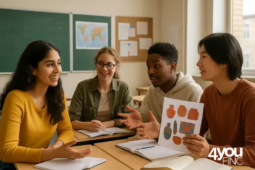
Learning Circles: Building Sustainable Educational Communities Through Knowledge Sharing
How the Circular Education Economy and Learning Circles Build Sustainable, Collaborative, and Lifelong Learning Communities

Have you heard about the Circular Education Economy? It’s a fresh way of learning where people gather in small groups, or learning circles, to share knowledge and support each other. Curious how this approach might make education more sustainable and meaningful for you? Let’s explore it together.
Understanding the circular education economy
The Circular Education Economy is an innovative approach focused on reusing, sharing, and renewing educational resources and knowledge instead of following a traditional, linear model. It encourages communities to collaborate in learning, where knowledge flows freely and benefits everyone involved. Unlike conventional education, which often depends on fixed curricula and isolated learning, this model fosters continuous interaction and empowerment through shared knowledge.
Key Principles of Circular Education Economy
At its core, the circular education economy aims to eliminate waste and inefficiency by treating education as a renewable resource. Learning circles are essential to this model, creating spaces where learners pool their skills, experiences, and materials to help each other grow. This approach promotes inclusivity, sustainability, and resilience, allowing knowledge to evolve in tandem with community needs.
Why It Matters Today
With rapid technological changes and growing barriers to quality education, the circular education economy offers a sustainable solution that adapts quickly. It reduces reliance on costly infrastructure and opens doors for lifelong learning. Imagine education as a community garden where everyone plants, nurtures, and harvests together, ensuring continuous growth without depletion.
The role of learning circles in education
Learning circles play a crucial role in transforming education by fostering collaborative, inclusive, and participatory learning environments. These circles bring together small groups of learners who share knowledge, experiences, and skills in a supportive atmosphere. This approach contrasts with traditional top-down education, emphasizing peer-to-peer interaction and collective growth.
Promoting Active Engagement
Learning circles encourage everyone involved to actively participate rather than be passive recipients of information. This increases motivation, improves retention, and develops critical thinking. By discussing real-life challenges and solutions, participants become more connected to the material.
Supporting Diverse Learning Needs
Because learning circles are flexible, they accommodate different learning styles, paces, and backgrounds. The peer support system helps learners overcome obstacles quickly, creating a more personalized experience. This inclusivity strengthens group dynamics and promotes a culture of continuous improvement.
Building Sustainable Educational Communities
Over time, learning circles foster trust and long-lasting relationships among participants. These communities become self-sustaining, sharing resources and knowledge beyond formal settings. This creates a powerful network that supports lifelong learning and adaptation to new challenges.
Benefits of knowledge sharing among learners
Knowledge sharing among learners creates multiple benefits that enhance individual growth and strengthen the educational community. When learners freely exchange ideas, skills, and experiences, it accelerates understanding and fosters creativity. This collaborative environment helps everyone improve faster than working alone.
Improves Learning Retention
Explaining concepts to peers requires deeper comprehension, which boosts memory retention. When learners teach each other, they clarify their own understanding and correct misconceptions.
Encourages Diverse Perspectives
Sharing knowledge exposes learners to new viewpoints and problem-solving strategies. This diversity enriches discussions and fosters innovative solutions that might not emerge individually.
Builds Stronger Connections
Through collaboration, learners develop trust and empathy. These social bonds create a supportive network that benefits future learning challenges and personal growth.
Promotes Lifelong Learning Habits
Engagement in knowledge sharing cultivates curiosity and an active learning mindset. Participants become motivated to seek and contribute knowledge continuously outside formal education.
How learning circles promote sustainability
Learning circles promote sustainability by creating educational environments that are self-sufficient, adaptable, and environmentally conscious. These circles rely on sharing resources, knowledge, and skills rather than consuming new materials or relying heavily on formal institutions. This approach reduces waste and makes learning accessible to more people.
Resource Sharing and Reduced Waste
By using shared materials such as books, digital resources, and tools, learning circles minimize the need for individual purchases. This lowers costs and reduces the environmental footprint of education.
Empowering Communities
Learning circles build strong communities that support each other’s growth. When people take ownership of their learning, they can sustain momentum over time without depending on external funding or institutions. This fosters resilience and long-term commitment.
Adaptability to Local Needs
These circles are flexible and can adapt quickly to the changing needs of their members and environment. This dynamic nature prevents rigid or wasteful educational practices, encouraging continuous improvement and relevance.
Encouraging Lifelong Learning
By embedding sustainability in their practices, learning circles inspire participants to continue learning throughout their lives. This ongoing education helps individuals contribute positively to their communities and the planet.
Building trust and collaboration in learning communities
Building trust and collaboration in learning communities is essential for creating effective and lasting educational experiences. Trust allows members to feel safe sharing ideas, asking questions, and making mistakes, which leads to deeper learning and stronger connections.
Creating a Supportive Environment
When members feel supported, they are more likely to contribute actively. Encouraging respect, openness, and empathy sets the foundation for trust. This supportive environment helps to reduce anxiety and promotes honest communication.
Encouraging Active Listening
Active listening is crucial for collaboration. It ensures everyone feels heard and understood, fostering mutual respect. Participants learn to value different perspectives and work together to solve problems effectively.
Sharing Responsibilities
Collaboration grows stronger when responsibilities are shared. Assigning different roles and encouraging teamwork empowers members to take ownership of their learning. This also increases accountability within the group.
Using Transparent Communication
Clear and honest communication builds trust over time. Sharing goals, expectations, and feedback openly helps prevent misunderstandings and keeps the group aligned. Transparency encourages commitment and motivation.
Technology’s role in supporting learning circles
Technology acts as a vital support system for learning circles by enabling connection, access to resources, and enhanced collaboration. Digital tools remove barriers like distance and time, making it easier for learners to gather and engage in meaningful knowledge exchange.
Online Platforms and Virtual Meetings
Platforms like video conferencing and chat applications allow learning circles to meet regularly without needing a physical space. This flexibility increases participation and helps include individuals with diverse schedules and locations.
Access to Educational Resources
The internet offers vast libraries of materials, from articles to videos and interactive courses. Members of learning circles can easily share and explore these resources, enriching their collective knowledge.
Facilitating Collaboration and Organization
Project management and collaboration tools help coordinate group activities, assign roles, and track progress. These systems keep everyone aligned, improving efficiency and accountability.
Encouraging Engagement Through Multimedia
Technology allows the use of multimedia such as videos, quizzes, and forums that make learning more engaging. These varied formats cater to different learning styles and boost retention.
Challenges in implementing circular education models
Implementing circular education models comes with several challenges that must be thoughtfully addressed to ensure success. These models rely on community participation, resource sharing, and flexible structures, which can sometimes conflict with traditional educational systems.
Resistance to Change
Many institutions and learners are accustomed to conventional, linear education paths. Changing mindsets and habits takes time and effort, and some may be hesitant to adopt new collaborative approaches.
Limited Access to Technology
Although technology supports circular education, not all learners have equal access to devices or reliable internet. This creates barriers in participation and resource sharing, limiting inclusivity.
Maintaining Engagement
Since learning circles depend on active participation, keeping members motivated and consistent can be difficult. Without strong facilitation and commitment, groups may lose momentum.
Ensuring Quality and Credibility
Because circular models often work outside formal institutions, ensuring the quality and recognition of learning outcomes is a challenge. Clear standards and accreditation systems need to evolve alongside these models.
How to Overcome These Challenges
Building trust through transparent communication and providing training can ease resistance. Improving access to affordable technology and using offline resources help bridge digital gaps. Strong leadership within learning circles supports sustained engagement, and partnerships with educational bodies can enhance credibility.
Case studies of successful learning circles
Many communities worldwide demonstrate the power of successful learning circles in improving education and building strong networks. These examples reveal how collaborative learning can solve real problems and boost individual growth.
Urban Community Learning in New York
A group of adults in New York formed learning circles focused on digital skills. By meeting weekly and sharing knowledge, members enhanced their employment opportunities and gained confidence in technology. Their success led to partnerships with local organizations providing further support.
Rural Youth Education in Kenya
In Kenya, rural youth formed learning circles to improve literacy and life skills. Using minimal resources and mobile phones, they shared lessons and peer-taught each other. This approach significantly increased school attendance and community involvement.
Freelancers’ Skill-Building in São Paulo
Freelancers in São Paulo created circles to exchange business tips and technical skills. This peer network helped them secure more clients and better manage finances, demonstrating how learning circles improve economic outcomes.
Online Global Language Exchange
An online learning circle connects individuals worldwide to practice new languages. This virtual setup allows members to learn flexibly and benefit from diverse cultural interactions, leading to high satisfaction and ongoing participation.
Impact on traditional educational institutions
The rise of circular education economy and learning circles is influencing traditional educational institutions in several ways. These models offer alternatives to rigid structures by promoting flexibility, collaboration, and community engagement.
Encouraging More Collaborative Learning
Traditional institutions are starting to adopt elements of learning circles by encouraging group projects and peer-to-peer learning. This shift moves away from lecture-based teaching toward participatory education.
Challenges to Traditional Hierarchies
Learning circles emphasize equality among learners and facilitators, challenging the traditional hierarchy where teachers hold all authority. This can push institutions to reconsider their roles and teaching methods.
Increasing Demand for Lifelong Learning
As learning circles support ongoing education beyond formal schooling, institutions feel pressure to offer more flexible programs that cater to adult learners and non-traditional students.
Integration of Technology
To stay relevant, traditional schools are integrating technology platforms similar to those used by learning circles. This enhances resource sharing, virtual collaboration, and accessibility.
Potential for Partnership and Hybrid Models
Some institutions collaborate with community-based learning circles to blend formal education with grassroots knowledge-sharing, creating hybrid models that benefit from both approaches.
How learning circles enhance lifelong learning
Learning circles support lifelong learning by creating continuous opportunities for education beyond formal settings. They encourage curiosity and self-driven growth through regular peer interaction and shared learning experiences.
Encouraging Continuous Skill Development
Members of learning circles regularly acquire new knowledge and skills, adapting to changes in their careers and personal lives. This steady growth helps individuals remain relevant in fast-changing environments.
Building a Culture of Curiosity
By fostering open discussions and diverse perspectives, learning circles ignite curiosity. Participants feel motivated to explore topics deeply and pursue further learning independently.
Supporting Learning at Any Age
Learning circles welcome individuals of all ages, creating inclusive spaces that break down barriers between generations. This diversity enriches learning and encourages sharing of lifelong experiences.
Facilitating Access to Resources and Networks
Through collaboration, learners share access to books, online courses, and expert knowledge, expanding their learning opportunities. Networks formed within circles often lead to new educational or professional pathways.
Financial benefits of circular education
The financial benefits of circular education come from reducing costs and creating new economic opportunities by sharing resources and knowledge. This model allows learners and communities to invest their time and money more efficiently.
Cost Savings through Resource Sharing
Learning circles minimize the need for expensive textbooks, tuition fees, and infrastructure by pooling resources. This shared use of materials and knowledge lowers financial barriers for participants.
Increased Access to Affordable Education
Circular education often uses free or low-cost digital tools and community spaces, making quality learning accessible to more people, including those with limited budgets.
Boosting Local Economies
By encouraging skill development and entrepreneurship, learning circles can help individuals increase their income and create small businesses, feeding back into their communities.
Opportunities for Funding and Partnerships
Communities practicing circular education attract grants, sponsorships, and partnerships that support sustainable educational projects, providing financial resources that further enhance learning experiences.
Steps to start your own learning circle
Starting your own learning circle involves several clear steps that help build a thriving, collaborative community. The process requires planning, commitment, and communication to create a group that supports all members’ educational goals.
Step 1: Define Your Learning Goals
Identify the topic or skills your circle will focus on. Clear goals help attract interested members and shape the group’s activities.
Step 2: Gather Interested Participants
Use social media, community boards, or word of mouth to find people motivated to learn together. Aim for a small group of 5 to 10 members to keep discussions manageable.
Step 3: Choose a Meeting Format and Schedule
Decide how often and where you will meet, whether in person, online, or both. Consistency builds routine and commitment.
Step 4: Set Group Norms and Roles
Agree on guidelines for communication, participation, and responsibilities. Assign roles like facilitator, note-taker, or timekeeper to keep meetings organized.
Step 5: Select Materials and Activities
Choose resources and plan activities that encourage discussion and hands-on learning. Incorporate various formats like readings, videos, or projects to keep engagement high.
Step 6: Launch and Adapt
Start your sessions and be open to feedback. Adjust the pace, topics, or structure based on members’ needs and experiences.
Future trends in circular education
Future trends in circular education focus on making learning more adaptive, technology-driven, and community-centered. These developments aim to broaden access and make education more sustainable.
Integration of Artificial Intelligence
AI will personalize learning experiences within circles, adapting to individual needs and offering targeted support. This technology can help identify knowledge gaps and suggest resources.
Expansion of Hybrid Models
Combining online and in-person learning will become more common, allowing learners flexibility while maintaining community connection and engagement.
Increased Focus on Skill-Based Learning
Future circular education will emphasize practical skills aligned with evolving job markets. Learning circles will likely partner with industries to provide relevant, hands-on experiences.
Enhanced Use of Open Educational Resources
Sharing and co-creating free or low-cost educational materials will grow, supporting equitable access and reducing costs.
Stronger Emphasis on Inclusivity and Diversity
Learning communities will focus on welcoming diverse voices, ensuring that education serves all members regardless of background or ability.
Wrapping Up the Circular Education Economy
The circular education economy offers new ways for people to learn together through sharing and collaboration. Learning circles make education more flexible, inclusive, and sustainable, helping learners grow at their own pace.
This approach supports lifelong learning, cuts costs by sharing resources, and strengthens communities. As technology advances and more people join learning networks, education will continue to evolve in exciting ways.
By embracing these trends and building strong learning circles, anyone can take part in shaping the future of education that benefits both individuals and society.