
FINANCE
Sinking Funds: The Simple Budgeting Trick for Planned Big Expenses
Car repairs. Holiday gifts. Annual insurance premiums.

Car repairs. Holiday gifts. Annual insurance premiums.

A home renovation can spiral in cost quickly once it actually begins, which is exactly why planning the budget carefully before any work starts matters more than almost any other part of the process.

A phone bill is one of those recurring expenses that tends to creep upward year after year without much notice, whether through a plan upgrade you didn’t fully need or fees that quietly piled up over time.

A pay stub often gets glanced at just long enough to confirm the deposit amount matches expectations, then filed away without a second look.

A big purchase, whether it’s a piece of furniture, a major appliance, or a long-awaited trip, doesn’t have to mean reaching for a credit card or a financing plan.
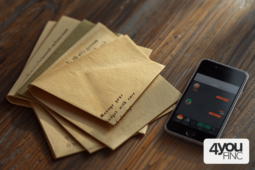
The cash envelope system predates smartphones by decades: divide your budget into physical envelopes labeled by category, and once an envelope is empty, spending in that category stops until next month.
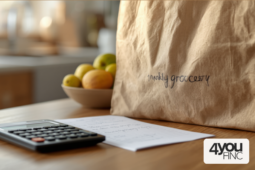
Groceries are one of the few major budget categories that’s genuinely flexible month to month, which makes them both easy to overspend on and one of the more effective places to build a realistic, sustainable budget around.

Car insurance premiums have a way of creeping upward year after year, often with no clear explanation beyond a renewal notice showing a slightly higher number.

Splitting bills with roommates sounds simple, right up until the first month someone’s utility usage is wildly different from everyone else’s, or one person’s name is the only one on the lease.

A single streaming subscription or app upgrade rarely feels like a big deal on its own, does it?