
RBC Rate Advantage Visa Credit Card: full review for low-interest seekers
Wondering how the RBC RateAdvantage Visa compares to other low-interest cards? This review highlights its main features, pros and cons, and when it’s the right choice
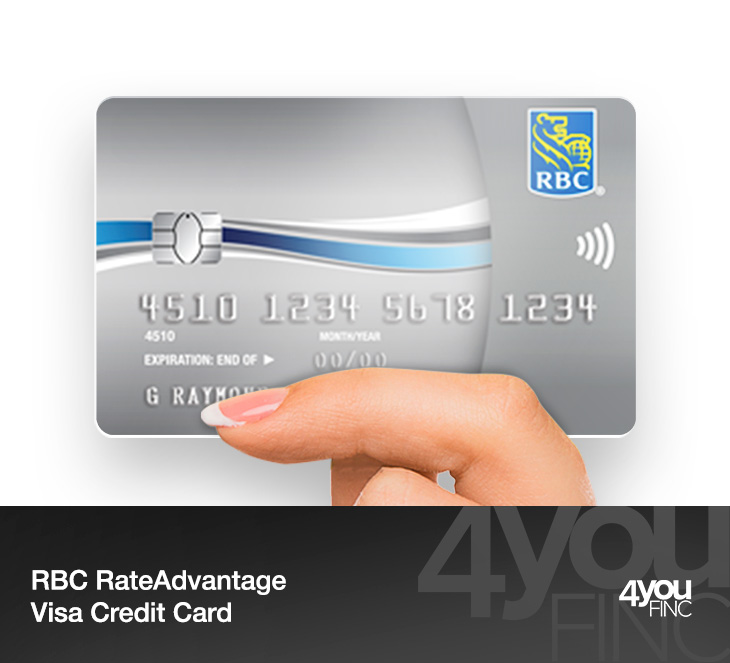
When it comes to managing debt or avoiding high interest charges, low-interest credit cards are a smart financial tool. The RBC Rate Advantage Visa Credit Card is often recommended for Canadians who want to save on interest without paying annual fees. But is it the best low-interest card for your wallet?
In this article, we’ll go deeper than our introduction and look at the numbers, fine print, and comparisons that really matter. Whether you’re trying to reduce your credit card balance or simply looking for a reliable, no-frills card, this review will give you the clarity you need.
What makes the RBC Rate Advantage Visa unique?
At first glance, the RBC Rate Advantage Visa doesn’t try to compete with flashy rewards or luxury perks. Instead, its main selling point is this: a competitive variable interest rate and no annual fee. That’s a rare combo in the Canadian market.
Here’s how the interest rate works:
- Variable rate: Tied to the RBC Prime Rate, which currently sits at 6.95% (as of May 2025).
- Your final interest rate will be RBC Prime + a margin, based on your credit score.
- This margin ranges from +4.99% to +8.99%, giving you a possible rate between 11.94% and 15.94%.
This structure means that the better your credit score, the better the rate you’re likely to receive. Most traditional credit cards charge 19.99% on purchases and 22.99% on cash advances, so even at the upper end of its range, the RateAdvantage Visa remains competitive.
Comparing with other low-interest cards in Canada
To see if this card really delivers, let’s compare it with a few popular low-interest credit cards available in Canada.
| Card | Interest Rate | Annual Fee | Rewards | Best for |
|---|---|---|---|---|
| RBC Rate Advantage Visa | Prime + 4.99%–8.99% (11.94%–15.94%) | $0 | None | Low-cost borrowing |
| MBNA True Line Mastercard | 12.99% fixed | $0 | None | Consistent low rate |
| Scotiabank Value Visa | 12.99% fixed | $29 | None | Balance transfers |
| National Bank Syncro | Prime + 4% | $35 | None | Super low rate if you qualify |
Compared to fixed-rate cards like MBNA True Line, the RateAdvantage Visa may be slightly higher unless you qualify for the best margin. However, it shines because it:
- Charges no annual fee
- Comes from one of the “Big Five” Canadian banks
- Includes purchase protection and extended warranty, which some competitors lack
It’s not the lowest rate out there, but it offers a strong balance of affordability, stability, and brand trust.
Real-world use cases: when this card really works
Let’s consider a few common scenarios where this card shines.
1. You’re carrying a small balance month to month
If you tend to carry a balance of $1,000–$3,000 and pay it down gradually, saving just a few percentage points in interest can lead to hundreds of dollars in savings each year.
For example, if you’re approved for an 11.94% interest rate vs. a traditional 19.99%, here’s how that plays out over a year on a $2,000 balance:
- Standard card (19.99%): You’d pay about $400/year in interest.
- RBC RateAdvantage (11.94%): Interest drops to around $240/year.
That’s a $160 savings just by switching to a lower-rate card.
2. You’re consolidating higher-interest debt
While the RateAdvantage Visa doesn’t offer a specific intro balance transfer rate, it can still help you manage credit card debt. You could transfer a balance from a high-interest card and start paying it off at a lower rate, especially if you’re not eligible for a 0% promo elsewhere.
3. You want a backup card with no fee
Even if you rarely carry a balance, it’s always good to have a backup card—especially one with no annual fee. The RateAdvantage Visa can sit in your wallet without costing you anything until you need it.
Credit score matters: who qualifies?
Approval for this card—and your final rate—depends heavily on your credit score. RBC doesn’t publish hard cutoffs, but generally:
- A credit score above 750 could get you the best rate (Prime + 4.99%)
- Scores in the 680–749 range may qualify for mid-tier rates
- Lower scores could still be approved, but you’ll likely receive the higher end of the rate range
This card is ideal for those with good to excellent credit. If your score is below average, you might consider building your credit first before applying.
The not-so-good: where it falls short
No card is perfect, and the RBC RateAdvantage Visa has a few downsides worth mentioning:
- No rewards: If you’re loyal to RBC and want points, their Avion series might be better suited.
- Variable rate = less predictable: Your rate could go up if the prime rate increases.
- No balance transfer promotion: Some low-interest cards offer 0% transfer promos, which this one does not.
Still, if your priority is long-term interest savings, these may be trade-offs worth accepting.
Who should get RBC Rate Advantage Visa Card?
The RBC Rate Advantage Visa Credit Card is one of the best no-fee, low-interest options in Canada—especially for people who occasionally carry a balance. While it doesn’t offer rewards or fancy travel perks, it delivers strong value through:
- Competitive interest rates
- No annual fee
- Basic purchase and warranty protection
You should consider Rate Advantage Visa Card if:
You carry a balance and want to pay less interest
You have a strong credit score
You want to avoid annual fees
You prefer a major Canadian bank
You might skip it if:
You always pay your balance in full
You want to earn rewards or cashback
You prefer a card with a fixed rate for predictability
In a market full of rewards cards and high-interest traps, the RBC Rate Advantage Visa Credit Card offers a refreshing alternative: simplicity, savings, and security.
It’s not built for luxury. It’s built for smart spending. If that sounds like your financial style, this card deserves a spot on your shortlist.
Looking to apply? You can start the process directly on the RBC website and see what rate you qualify for based on your credit.