
Chase Sapphire Preferred review: Is it worth it?
An in-depth look at rewards, travel perks, fees, and how it compares to other top cards
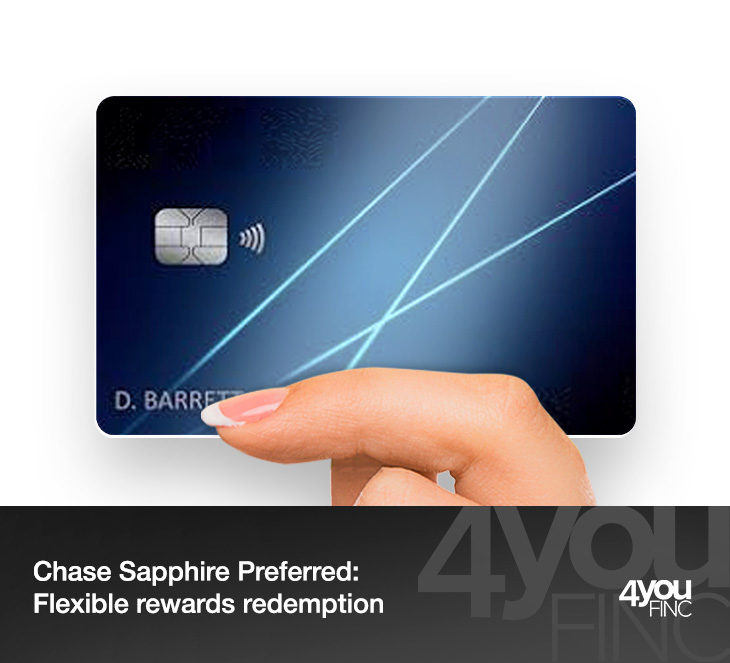
Choosing the right travel rewards credit card isn’t just about the sign-up bonus—it’s about how the card fits into your everyday life and long-term goals. The Chase Sapphire Preferred Card has long been a favourite among points enthusiasts and casual travellers alike. But does it still live up to the hype in 2025?
Let’s dive into the features, benefits, and drawbacks to help you decide whether this card belongs in your wallet.
Welcome bonus: A strong start for new cardholders
The current welcome offer (as of 2025) gives you 60,000 bonus points after spending $4,000 in the first 3 months. When redeemed through Chase Ultimate Rewards®, that equals $750 in travel—a return of over 18% on your initial spending.
For context:
- 60,000 points can cover round-trip flights within North America
- You could also use them for several nights at a mid-tier hotel
- If transferred to a partner like Hyatt, you could stretch their value even further
Pro tip: Use the bonus during off-peak travel to maximize value.
Earning points: Where the card excels
The Sapphire Preferred isn’t just about the bonus—it rewards your everyday spending in several useful categories:
| Spending category | Points earned |
|---|---|
| Travel via Chase Ultimate Rewards® | 5x points |
| Dining (restaurants + eligible delivery) | 3x points |
| Online grocery purchases (excluding Walmart/Target) | 3x points |
| Select streaming services | 3x points |
| All other travel | 2x points |
| Everything else | 1x point |
This structure allows cardholders to rack up points fairly quickly, especially those who dine out often or travel even occasionally.
Redeeming points: Flexibility that makes a difference
Chase Ultimate Rewards is widely considered one of the most valuable credit card points systems, mainly because of its redemption flexibility.
Option 1: Book travel through Chase Sapphire Preferred
When you redeem points through Chase’s travel portal, your points are worth 25% more. That means:
- 10,000 points = $125 in travel
- You can book flights, hotels, cruises, and more—all through one interface
Option 2: Transfer to travel partners
You can transfer your points at a 1:1 ratio to over a dozen partners, including:
- Airlines: United, Southwest, Air Canada Aeroplan, British Airways, Singapore Airlines
- Hotels: Hyatt, Marriott, IHG
These partners can often give you greater point value, especially for international flights or luxury hotel stays.
Travel protections and purchase coverage with Sapphire Preferred
This card punches above its weight when it comes to travel protection. Here’s what’s included:
- Trip cancellation/interruption insurance (up to $10,000 per person)
- Primary car rental insurance
- Baggage delay coverage (up to $100/day for 5 days)
- Trip delay reimbursement (after 12 hours or overnight delay)
- Purchase protection (120 days against damage/theft)
- Extended warranty (adds 1 year to eligible items)
These perks can easily save you hundreds, especially if you travel semi-regularly.
Annual fee: How the value justifies the cost
At $95 per year, the Sapphire Preferred offers a middle ground between no-fee starter cards and ultra-premium options.
Here’s what offsets the fee:
- $50 annual hotel credit (for bookings through Chase’s portal)
- Travel bonus multipliers
- Redemption value boost
- Extensive protection benefits
With smart use, you can easily recoup the fee and then some.
Drawbacks to consider
No card is perfect. While the Sapphire Preferred offers a ton of value, here are a few potential downsides:
- No airport lounge access
- No intro APR offer
- No bonus categories for gas or big-box retail
- Best value often requires travel redemptions and planning
Still, for most users, the benefits outweigh the limitations—especially as a first travel rewards card.
How it compares Sapphire Preferred to other travel cards
vs. Chase Sapphire Reserve
| Feature | Sapphire Preferred | Sapphire Reserve |
|---|---|---|
| Annual fee | $95 | $550 |
| Travel redemption boost | 25% | 50% |
| Airport lounge access | No | Yes (Priority Pass) |
| Earning rates | Strong | Stronger on travel |
| Travel insurance | Excellent | Premium level |
Go for the Reserve if you travel often and want luxury perks. Otherwise, the Preferred gives you great value at a much lower cost.
vs. Capital One Venture Rewards
| Feature | Sapphire Preferred | Venture Rewards |
|---|---|---|
| Annual fee | $95 | $95 |
| Redemption boost | 25% via portal | Fixed 1 cent per mile |
| Travel partners | Yes (more options) | Yes (fewer options) |
| Earning structure | Tiered (2x–5x) | 2x on everything |
Choose the Venture if you want simplicity. But if you’re optimizing for maximum point value, the Sapphire Preferred takes the edge.
Who should apply Sapphire Preferred ?
This card is an excellent fit if:
- You’re ready to start earning travel rewards
- You’re comfortable paying a $95 annual fee
- You enjoy flexible travel redemption options
- You value protection benefits while travelling
- You’re planning a big trip and want to leverage the welcome bonus
It may not be ideal for those who rarely travel, prefer cash back, or carry credit card balances.
Still a top travel card
The Chase Sapphire Preferred Card continues to deliver incredible value with its mix of strong earning categories, flexible redemptions, and top-tier travel protections—all at a reasonable annual fee.
It’s not the flashiest card on the market, but it’s reliable, flexible, and user-friendly. For many, it’s the perfect gateway into the world of travel rewards.
Interested? Click the button and we’ll take you straight to the official bank website, where you can submit your application.