
Connecting Worlds: The Rise of Intercultural Education Programs for Global Understanding
How intercultural learning shapes global awareness, empathy, and collaboration
When financial stress becomes overwhelming, even the smallest expenses can feel impossible to manage and for many, this struggle is all too familiar. In moments like these, Intercultural Education Programs may seem unrelated at first, but they actually highlight an important idea: learning new perspectives can transform how we face challenges, including financial ones.
Just as these programs encourage understanding and resilience across cultures, this guide helps you rebuild confidence as you navigate debt, tough decisions, and the journey toward stability.
Without promising miracles, I explain where to start: understanding where your money is going, organizing the essentials, and cutting what you can (even if it seems small). I share practical tips on renegotiating debts, how to deal with banks, and what to avoid (spoiler: easy loans don’t always help).
I also talk about mindset: getting out of the red isn’t just about math it’s about building the habit of looking at money without guilt and aiming to improve little by little.
And I emphasize: even with a low income, it’s possible to restart. Step by step, with patience and the right information, financial turnaround can happen.
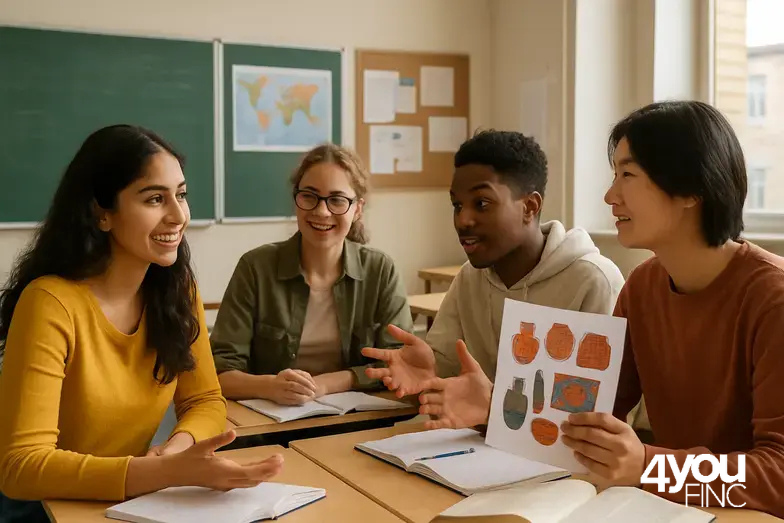
Intercultural Education Programs offer a unique way to connect people across cultures by promoting understanding and respect. Ever wondered how these programs shape global perspectives and foster empathy? Let’s dive in and explore this fascinating topic together.
Understanding intercultural education programs and their importance
Intercultural education programs are designed to bring people from different cultural backgrounds together to learn, share, and grow in understanding. These programs focus on teaching respect for diverse traditions, languages, and values, helping participants build bridges rather than walls.
Key objectives of intercultural education
The main goals include promoting empathy, reducing prejudice, and encouraging collaboration across cultures. By engaging with various cultural perspectives, learners develop critical thinking skills and become more open-minded global citizens.
Why it matters today
In an increasingly interconnected world, misunderstandings between cultures can lead to conflicts and missed opportunities. Intercultural education offers tools to overcome these challenges by fostering communication and mutual respect among diverse groups.
Who benefits
Everyone involved gains valuable skills students, educators, and communities alike. Schools enhance their learning environments, workplaces improve teamwork, and societies move toward greater harmony.
Ultimately, intercultural education programs are essential for building peaceful, inclusive societies where diversity is seen as a strength rather than a barrier.
How intercultural education promotes empathy and respect
Intercultural education plays a vital role in fostering empathy by encouraging individuals to see the world through others’ eyes. It teaches learners to appreciate different perspectives, helping them become more understanding and compassionate.
Building empathy through cultural exchange
Activities like group discussions, role-playing, and cultural storytelling allow participants to experience diverse viewpoints. These experiences nurture emotional connections and reduce stereotypes, leading to deeper respect for others.
Respect as a foundation for collaboration
Respect is fundamental in intercultural education, promoting open-mindedness and valuing differences. When learners respect cultural diversity, they create inclusive environments where everyone feels valued and heard.
Long-term benefits
By promoting empathy and respect early on, intercultural education helps develop socially responsible individuals dedicated to peaceful coexistence. These skills are transferable to workplaces, communities, and global interactions.
Ultimately, intercultural education fosters harmony by bridging cultural gaps and encouraging positive relationships among people worldwide.
Key components of effective intercultural education programs
Effective intercultural education programs rely on several key components to foster meaningful learning and cultural understanding. One vital element is a curriculum that integrates diverse perspectives and encourages critical thinking about cultural differences.
Inclusive curriculum and materials
Materials should represent a wide range of cultures, histories, and experiences. This helps learners appreciate cultural diversity and challenges biases by providing balanced viewpoints.
Active engagement and interaction
Programs thrive when they offer interactive activities like group projects, cultural exchanges, and discussions. These methods promote direct engagement, allowing participants to practice empathy and communication skills.
Supportive environment
Creating a safe and respectful space where learners feel comfortable sharing their views is crucial. This encourages honest dialogue and helps address misunderstandings constructively.
Qualified educators
Instructors trained in cultural competence and sensitive facilitation can guide discussions effectively. Their role includes recognizing cultural nuances and managing diverse classroom dynamics with care.
Continuous evaluation
Assessing program effectiveness through feedback and outcomes ensures it remains relevant and responsive to learners’ needs. Adaptations based on evaluations strengthen the program over time.
By combining these components, intercultural education programs become powerful tools for building global understanding and respect.
Challenges faced when implementing intercultural education
Implementing intercultural education programs comes with several challenges that schools and organizations must address. One common issue is resistance to change, where individuals may feel uncomfortable stepping outside familiar cultural norms.
Resource limitations
Many programs struggle due to limited funding and lack of access to quality teaching materials or trained educators. These constraints can hinder the program’s reach and impact.
Cultural misunderstandings
Miscommunication and stereotypes may arise during activities, sometimes leading to conflict or discomfort among participants. It requires careful facilitation to navigate sensitive topics respectfully.
Lack of teacher training
Not all educators are prepared to handle the complexities of intercultural education. Without appropriate training, they may find it difficult to manage diverse classrooms or foster open discussions.
Curriculum integration
Incorporating intercultural education into existing curricula can be challenging, especially when academic requirements leave little room for additional content. Balancing depth and breadth is essential.
Assessment difficulties
Measuring the effectiveness of intercultural programs is complex because growth in attitudes and understanding is less tangible than traditional academic skills.
Addressing these challenges requires commitment, ongoing support, and innovative approaches to ensure intercultural education fulfills its potential.
The role of technology in expanding intercultural education
Technology plays a crucial role in broadening the reach and effectiveness of intercultural education programs. Digital platforms enable learners from different parts of the world to connect, share, and collaborate regardless of physical distance.
Online learning platforms
These platforms provide access to diverse cultural content, courses, and virtual exchange programs. They allow students to experience other cultures through videos, interactive lessons, and live discussions.
Virtual reality and simulations
Advanced tools like virtual reality (VR) create immersive experiences where learners can explore cultural settings firsthand. This enhances empathy and understanding by placing individuals in environments beyond their own.
Social media and communication tools
Social networks and messaging apps facilitate real-time conversations across cultures. They help break down barriers and foster ongoing dialogue among peers, educators, and communities.
Data analytics and personalization
Technology enables customization of learning based on individual needs and progress. Analytics help educators identify gaps and tailor the curriculum for maximum impact.
By integrating technology, intercultural education becomes more accessible, engaging, and impactful, preparing learners for a connected global society.
Successful case studies of intercultural education programs
Numerous successful case studies illustrate the positive impact intercultural education programs can have. For example, the International Baccalaureate (IB) program integrates global perspectives and cultural awareness into its curriculum, fostering globally-minded students.
Example: The International Baccalaureate (IB) Program
The IB promotes critical thinking and intercultural understanding with courses that include global issues and cultural studies. Students engage in community service, encouraging real-world application of respect and empathy.
Example: Global Virtual Exchange Initiatives
Programs like ePals connect classrooms worldwide through digital exchanges. These initiatives allow students to collaborate on projects, share cultural stories, and learn from peers in different countries.
Example: Cultural Immersion Camps
Immersion camps bring participants into new cultural environments. For instance, language and culture camps in various countries provide firsthand experience, helping learners develop deep cultural appreciation.
These case studies demonstrate how diverse approaches to intercultural education can effectively build understanding, empathy, and cooperation among young learners worldwide.
Impact of intercultural education on global citizenship
Intercultural education significantly shapes global citizenship by teaching individuals to value diversity and participate responsibly in a connected world. It encourages awareness of global issues and the role each person plays in addressing them.
Education programs expose learners to different traditions and perspectives, promoting appreciation rather than judgment. This broadens their worldview and reduces ethnocentric attitudes.
By connecting learning to real-world challenges like inequality, climate change, and human rights, intercultural education inspires active engagement and ethical decision-making.
Developing communication skills
Participants practice respectful dialogue and conflict resolution across cultural differences, essential for peaceful coexistence and collaboration on global issues.
Strong emphasis on respect for diversity helps build inclusive communities where all voices are heard and valued.
The impact is the growth of citizens who are empathetic, informed, and willing to contribute positively to a diverse world.
Funding and support for intercultural education initiatives
Funding and support are crucial for the success and sustainability of intercultural education initiatives. These programs often rely on a mix of government grants, private sector partnerships, and nonprofit organizations to secure necessary resources.
Many countries provide educational grants aimed at promoting cultural diversity and inclusion. These funds help schools and institutions develop curriculum, train educators, and organize intercultural activities.
Private sector involvement
Businesses increasingly recognize the value of intercultural competence and may sponsor programs or offer resources. Corporate social responsibility initiatives often include support for education and cultural exchange.
Foundations and NGOs focused on education or cultural understanding provide scholarships, funding for events, and materials. Their support is vital for reaching underserved communities.
Community engagement
Local involvement through volunteers, cultural groups, and parents enhances program reach and impact. Strong community partnerships can supplement financial support with valuable human resources.
Sustainability strategies
Successful programs plan for long-term funding by diversifying sources and demonstrating value through measurable outcomes. This helps attract continuous support and expand offerings.
Overall, consistent funding and collaborative support networks are key to growing and maintaining effective intercultural education programs worldwide.
How schools and communities can integrate intercultural education
Schools and communities play a vital role in integrating intercultural education by embedding cultural awareness into daily activities and curricula. Collaboration between educators, families, and community organizations creates a supportive environment for learning.
Incorporating diverse cultural perspectives into subjects like history, literature, and social studies helps students understand global interconnections. Project-based learning around cultural themes promotes active engagement.
Community involvement
Partnering with local cultural groups and inviting guest speakers enriches learning experiences. Events celebrating different traditions encourage participation and foster respect.
Providing educators with training on cultural competence and access to inclusive materials ensures effective facilitation. Supportive resources help teachers manage diverse classrooms sensitively.
Student-led initiatives
Encouraging clubs, exchanges, and cultural presentations empowers students to take ownership of their learning and share their heritage.
Creating inclusive spaces
Designing school environments that reflect cultural diversity through artwork, multilingual signs, and celebrations promotes belonging and pride.
By embracing these approaches, schools and communities can build bridges across cultures and prepare learners for a diverse world.
Future trends in intercultural education and global cooperation
Future trends in intercultural education emphasize increased use of technology, collaboration, and inclusivity to prepare learners for a globalized world. Programs will likely embrace innovative approaches to deepen cultural understanding and cooperation.
VR and AR technologies will offer immersive intercultural experiences, allowing learners to explore cultures firsthand without leaving their classrooms.
Integration of artificial intelligence
AI will personalize learning paths, adapting content to individual cultural backgrounds and learning styles, enhancing engagement and effectiveness.
Schools and institutions across countries will form stronger ties, sharing resources and offering joint programs that foster international cooperation.
Focus on sustainability and social justice
Intercultural education will increasingly address global challenges such as climate change and equality, encouraging learners to act as responsible global citizens.
Inclusivity and accessibility
Efforts will continue to make intercultural programs accessible to all, including marginalized and underserved communities, ensuring wider impact.
These trends point to a future where intercultural education is more dynamic, accessible, and closely tied to global cooperation.
Looking Ahead: The Importance of Intercultural Education
Intercultural education programs are key to building understanding and respect across cultures in today’s connected world. By embracing diversity and learning from each other, we can create more inclusive communities.
With advances in technology and growing global cooperation, the future of intercultural education looks promising and more accessible than ever. These programs help prepare learners to be empathetic, informed global citizens ready to address the challenges of our shared world.
Investing in intercultural education is investing in a peaceful and cooperative future for everyone.