
Everyday Escapes: Unlocking the Thrill of Micro-Adventures in Your Local Surroundings
Simple escapes close to home that transform everyday routines
If you feel like your paycheck barely hits your account before disappearing, you’re not alone. Many people are in this situation, and it’s not for lack of effort. This post talks honestly about what to do when money is tight, debts pile up, and stress sets in.
Without promising miracles, the first step is getting clarity. That means understanding where your money is going, organizing essentials, and cutting back wherever possible, even if it feels like small steps. It also means learning how to renegotiate, how to talk to banks, and what to avoid, because easy loans are not always the answer.
We also touch on mindset. Getting out of debt is not just about math. It is about developing the habit of facing money without guilt and improving little by little, consistently.
And I emphasize this: even with a low income, you can begin again. One step at a time, with patience and the right information, financial recovery is within reach.
Have you ever thought about finding adventure just around the corner? Micro-adventures local bring the excitement of exploration without long trips or big expenses. This article invites you to see how small escapes nearby can refresh your mind and break the usual routine with simple, practical ideas.
What are micro-adventures local
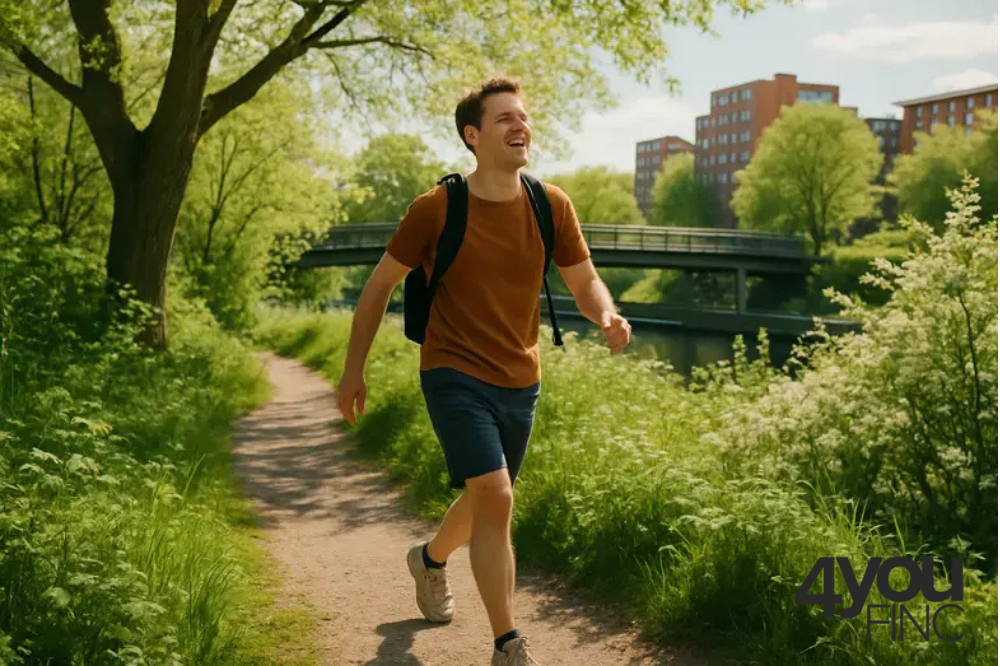
Micro-adventures local are short, simple, and affordable trips or activities that you can do close to home. Unlike long vacations, these adventures usually last from a few hours to a single day. The goal is to explore nearby surroundings and find excitement in ordinary places such as parks, forests, rivers, or trails within your city.
Think of micro-adventures as mini breaks that fit into daily life. You can hike a local trail, cycle to a hidden spot, camp in your backyard, or watch the sunset from a nearby hill. The focus is discovering new experiences without heavy planning, expensive gear, or a big budget.
Why micro-adventures local matter
Many people feel stuck in routines and crave change without taking long trips. Micro-adventures offer a realistic way to recharge your mind, move your body, and reconnect with nature while staying close to home. Because they are short and flexible, it becomes easier to actually do them, instead of postponing rest and leisure for a future vacation.
They also help you practice curiosity. When you start looking at your city with fresh eyes, you notice details you normally ignore, from quiet streets and viewpoints to small parks and local paths. Over time, this habit makes life feel bigger, even if your schedule stays the same.
Examples of micro-adventures you can try
A micro-adventure can be as simple as choosing a destination you have never visited, even if it is only a few neighborhoods away. You can plan a sunrise walk, a picnic in a park, a short hike, or a bike route with a new final stop. The fun is in doing something slightly different from your usual day.
If you prefer calmer activities, you can explore local cafés, street markets, cultural centers, or museums on free-entry days. You can also create themed walks, such as photographing interesting doors, finding the best viewpoint in your area, or mapping street art near your home.
Benefits of exploring nearby places
Exploring nearby places through micro-adventures local brings benefits that improve daily life without demanding a big budget. It saves time and money because you do not need flights, hotels, or long planning. That makes it easier to escape the routine more often.
These small escapes also build momentum. When you experience how good it feels to get outside and do something new, you become more likely to repeat it. Consistency is a big part of the benefit, and local adventures make that consistency realistic.
Physical and mental health
Spending time outdoors supports mental well-being and lowers stress. Even short activities like walking or cycling can boost your energy and improve your mood, especially when you step away from screens. Nature exposure can also help with focus, sleep quality, and emotional balance.
On the physical side, micro-adventures encourage gentle movement that feels enjoyable rather than forced. Over time, these small efforts improve stamina and overall fitness, which makes daily life easier and can reduce feelings of exhaustion caused by a sedentary routine.
Connection to community
When you explore your neighborhood or city, you discover hidden gems and feel more connected to where you live. You may find trails, parks, viewpoints, or local businesses you never noticed, and that creates a stronger sense of belonging and comfort in your environment.
Local adventures also increase opportunities for social connection. Markets, outdoor events, walking groups, and community activities naturally place you around people with similar interests, which can be especially valuable if you work from home or feel isolated in day-to-day routines.
Environmental impact
Choosing local adventures reduces your carbon footprint by avoiding long-distance travel. This is one of the easiest ways to enjoy exploration while keeping your impact lower, especially if you walk, cycle, or use public transport to reach your destination.
It also builds awareness of local nature and conservation. When you spend more time in nearby green spaces, you become more likely to care about them, protect them, and support community efforts that keep these places clean, safe, and accessible.
Planning your micro-adventure: tips and tricks
Planning a successful micro-adventure local starts with choosing a spot that is close but still feels new. Look for parks, trails, lakes, hills, or natural areas you have not explored. You can also use maps and local guides to find new routes and points of interest.
The best plan is simple and realistic. Micro-adventures work because they do not require perfection. A short plan that you can actually follow is better than an ambitious itinerary that becomes stressful or gets postponed.
Set realistic goals
Start by defining how much time you have and what kind of energy you want from the day. If you have only a few hours, choose a destination that is quick to reach and easy to navigate. If you have a full day, add one extra stop to make it feel more special.
A realistic goal also includes being kind to yourself. The purpose is not to prove endurance or to check off a list. The purpose is to feel refreshed and present, so you can return to daily life with more calm and motivation.
Check the weather and prepare accordingly
Micro-adventures are easier when you respect the weather. Check the forecast and dress in layers, so you can adjust as temperatures change. If it might rain, bring a light jacket. If it is sunny, pack sunscreen and a hat.
Preparation does not mean overpacking. A small backpack with water, a snack, and basic protection from weather is enough. When you carry only what you need, you stay comfortable and enjoy the experience more.
Keep safety in mind
Tell someone where you are going and when you expect to return, especially if you plan to explore a trail or a less busy area. Keep your phone charged and consider carrying a power bank if you will be out for several hours.
Also plan your route with flexibility. Choose paths with clear exit points and avoid pushing into unknown areas late in the day. Small safety habits reduce stress and make the adventure feel lighter and more enjoyable.
Gear and essentials for micro-adventures
Having the right gear and essentials makes micro-adventures local safer and more comfortable. You do not need expensive equipment, but a few basics help you handle common situations like sun, thirst, or minor discomfort.
Think in terms of simple preparation. The goal is to stay light and practical. When you are not worried about forgetting something important, you can relax and enjoy being present during your adventure.
Clothing and footwear
Wear comfortable shoes that match your activity. For walks and city exploration, supportive sneakers work well. For trails or uneven ground, sturdier footwear reduces slipping and protects your feet, which helps you stay relaxed during the trip.
For clothing, layering is the safest choice. A breathable base layer with a light jacket gives flexibility. This matters because local weather can shift quickly, and being too cold or too hot can shorten an otherwise enjoyable adventure.
Navigation tools
Use a reliable maps app or offline map if your destination has weak signal. Before leaving, check the route and save key points like entrances, exits, and nearby public transport stops. This reduces the chance of getting lost or stressed.
Keep your phone charged and consider a portable charger. If you like a more classic approach, a simple printed map or a basic compass can be useful, especially for parks or nature reserves with limited signage.
Safety and health
Bring a small first-aid kit with bandages and antiseptic wipes. It is a small item that can prevent a minor issue from becoming a reason to end the trip. Add any personal needs like allergy medication if relevant to you.
Hydration matters even on short adventures. Bring enough water and a simple snack to keep energy stable. When your body feels supported, your mind stays calmer and the experience feels more enjoyable.
How micro-adventures can improve mental health
Micro-adventures local support mental health by breaking repetitive routines and creating new experiences close to home. They give you a change of scenery without the pressure of long travel, and that alone can feel like a reset.
They also create small moments of accomplishment. When you commit to a simple plan and follow through, it builds confidence and strengthens your ability to care for yourself consistently.
Reducing stress and anxiety
Outdoor time helps your nervous system slow down. Even light movement in fresh air can reduce stress and ease mental tension, especially when your day is filled with screens, deadlines, or noisy environments.
Micro-adventures also give your thoughts a new place to land. Instead of repeating worries, your attention shifts to your surroundings. This natural shift can make anxiety feel less overwhelming and more manageable.
Increasing mindfulness and presence
When you explore nearby places, you naturally pay attention to details such as sounds, smells, and textures. This is mindfulness in a practical form, because you are fully engaged with the moment rather than stuck in mental noise.
Over time, this presence becomes a habit. You begin to notice more beauty and calm in everyday life, even outside the adventure itself. That can improve your overall mood and your relationship with routine.
Enhancing creativity and problem-solving
New environments stimulate your brain and encourage different patterns of thinking. A new route, a different viewpoint, or even a short detour can create ideas that would not appear in your usual setting.
Micro-adventures also strengthen problem-solving in a gentle way. You practice making small decisions such as choosing paths and adjusting plans. This builds mental flexibility, which can help you feel more capable in daily challenges.
Budgeting for local escapes
Budgeting for micro-adventures local is simpler than planning traditional travel, because most activities are low-cost or free. A small budget can still create meaningful experiences when you prioritize what matters, such as comfort, safety, and enjoyment.
The key is planning with intention. When you know what you can spend without stress, you enjoy the adventure more and avoid turning a relaxing day into a financial worry afterward.
Prioritize free or low-cost activities
Public parks, trails, beaches, and outdoor viewpoints often cost nothing. Community events, open-air markets, and local festivals also offer entertainment at low cost, especially if you go for the experience rather than spending money.
Choosing free options does not make the adventure less valuable. In many cases, the best memories come from simple moments such as walking somewhere new, eating a homemade snack outside, or watching the sky change at sunset.
Plan for essential expenses
Even local trips can have small costs, such as transportation, water, or a snack. Decide what matters most to you and set a small limit. For example, you can bring food from home and spend only on transport, or walk and spend on a simple treat.
Reusable items reduce costs over time. A water bottle, a small container for snacks, and a basic backpack are small investments that make every micro-adventure easier and cheaper in the long run.
Use discounts and deals
Many local attractions offer discounted days or free access periods. Museums, parks, and cultural spaces often have community programs that make exploration affordable. Checking these options can expand your adventure choices without extra cost.
You can also join local groups and forums where people share tips, routes, and deals. Shared knowledge makes planning easier and helps you find places you might not discover alone.
Starting your first micro-adventure today
Starting your first micro-adventure local does not require perfect planning. Choose a destination close to home, pack the basics, and allow yourself to explore with a calm, open mindset. The point is to break routine in a simple way that feels enjoyable.
Your first adventure can be small. What matters is doing it. Each time you try, you build confidence and make it easier to turn local exploration into a habit.
Step 1: Pick your destination
Choose a place you can reach easily within a short travel time. A park, trail, viewpoint, or even a new neighborhood can work. If you feel uncertain, choose somewhere familiar but take a different route to get there, so it still feels fresh.
Set a simple plan, such as walking for one hour, having a picnic, or visiting two nearby spots. A clear, simple destination makes it easier to start and easier to finish feeling satisfied.
Step 2: Prepare essentials
Pack light and bring what you truly need: water, a snack, comfortable shoes, and weather-appropriate clothing. If you plan to stay out longer, add a power bank and a small first-aid kit for peace of mind.
Preparation should support comfort, not create stress. If you are unsure, keep it minimal. You can always refine your packing list after your first experience based on what you actually used.
Step 3: Set realistic expectations
Focus on the experience rather than performance. You do not need to walk far, climb high, or do something extreme. The win is stepping out of routine and giving yourself time to breathe, observe, and enjoy.
Leave room for spontaneity. If you find a new path, a quiet café, or a great viewpoint, let yourself follow it. Often the most memorable parts of micro-adventures come from small surprises.
Embrace micro-adventures local for a richer life
Micro-adventures local are a simple way to add excitement and calm to daily life without spending much. By exploring nearby places, you improve your mood, build healthier habits, and reconnect with your environment in a more meaningful way.
With light planning, a small budget, and basic essentials, anyone can start. Your next micro-adventure can happen this week, even today. Step outside, look around with fresh eyes, and discover what has been waiting close to you all along.


