
Mimicking the Brain: The Promise of Neuromorphic Computing for Next-Gen AI
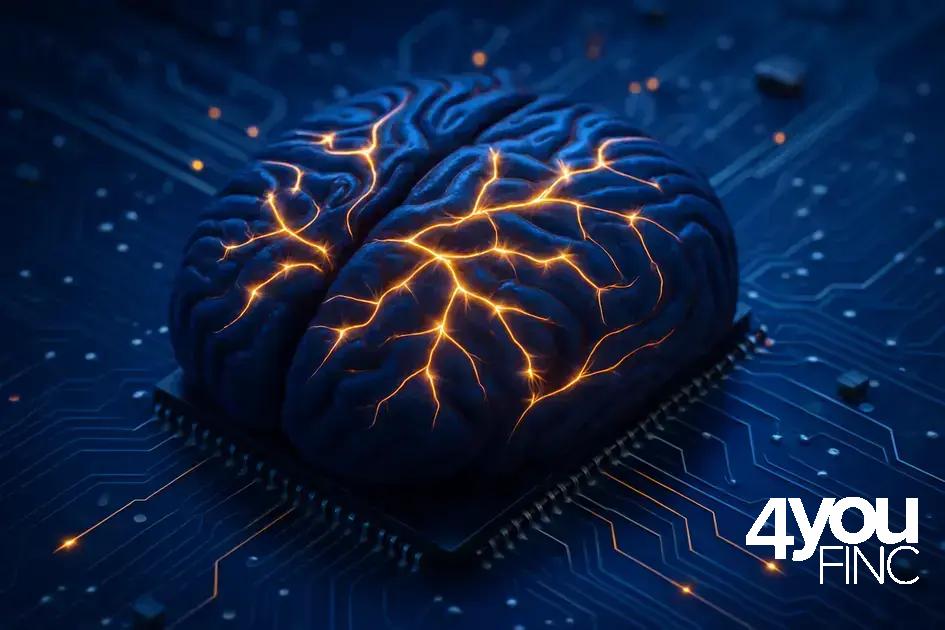
Neuromorphic computing unlocks new AI potential by mimicking brain processes for faster, smarter, and energy-efficient machines.
If you feel like your paycheck barely hits your account before it disappears, you’re not alone. Many people are in the same situation—and it’s not due to a lack of effort. In this post, I speak frankly about what to do when money isn’t enough, debts pile up, and panic sets in.
Without promising miracles, I explain where to start: understanding where your money is going, organizing the essentials, and cutting back wherever possible (even if it seems small). I offer practical tips on renegotiating debts, how to deal with banks, and what to avoid (spoiler: easy loans don’t always help).
I also talk about mindset: getting out of debt isn’t just about numbers—it’s about building the habit of facing your money without guilt and working to improve little by little.
And I emphasize: even with a low income, you can start over. One step at a time, with patience and the right information, a financial turnaround is possible.
Have you ever wondered how machines could think more like us? Neuromorphic computing is an exciting field that tries to replicate brain-like processing to revolutionize AI capabilities. Let’s explore how this technology could reshape the future.
what is neuromorphic computing and why it matters
Neuromorphic computing is a type of technology designed to imitate the way the human brain processes information. Unlike traditional computers that use a series of separate steps and consume a lot of power, neuromorphic systems use networks of artificial neurons and synapses that work together in parallel, just like our brains. This approach offers new possibilities for creating machines that can learn, adapt, and respond in real-time.
How Neuromorphic Computing Works
These systems rely on specialized hardware that mimics the brain’s architecture, using electronic circuits to recreate the behavior of neurons and synapses. Instead of following rigid instructions, they process data through spikes and signals, enabling faster decision-making with less energy consumption.
Why It Matters
The importance of neuromorphic computing lies in its potential to overcome the limitations of current AI and computing methods. It can improve efficiency dramatically, allowing devices to perform complex tasks like pattern recognition, sensory processing, and autonomous decision-making more effectively. This technology could lead to breakthroughs in robotics, healthcare, and more.
Understanding neuromorphic computing helps us see the future of AI as not just faster computers, but smarter, energy-saving systems that learn and reason more like humans.
key components of neuromorphic hardware
Neuromorphic hardware is built upon a few key components that enable it to mimic the brain’s complex functions. The primary elements include artificial neurons, synapses, and specialized circuits designed to process information in parallel.
Artificial Neurons
These units simulate the behavior of biological neurons by receiving input signals, processing them, and generating output spikes. Unlike traditional transistors, they communicate using temporal and spatial patterns more similar to brain activity.
Synapses
Synapses in neuromorphic systems act as connections between artificial neurons. They control the strength of the signal transmission, which allows the system to learn and adapt through changes in synaptic weights, similar to how learning happens in the brain.
Memory Components
Memory in neuromorphic hardware is distributed and closely integrated with processing elements. This co-location reduces delays and energy consumption compared to traditional architectures where memory and processing are separate.
Specialized Circuits
These circuits manage spike-based communication, implement learning rules, and ensure the system operates efficiently. Some neuromorphic chips also use analog components to replicate the brain’s continuous signal processes, enhancing their bio-realism and power efficiency.
By combining these components, neuromorphic hardware offers a platform that can process information in a brain-like, energy-efficient way, enabling advanced AI applications that require real-time learning and adaptability.
how neuromorphic systems mimic brain functions
Neuromorphic systems are designed to closely imitate how the human brain processes information. They achieve this by using networks of artificial neurons and synapses that simulate the brain’s electrical signals and learning mechanisms.
Spike-Based Communication
In the brain, neurons communicate using spikes or bursts of electrical activity. Neuromorphic systems replicate this by sending short, timed pulses between artificial neurons. This method enables rapid and efficient data transmission that mirrors natural brain functions.
Learning Through Synaptic Plasticity
Synaptic plasticity is the brain’s ability to strengthen or weaken connections based on experience. Neuromorphic hardware uses adjustable synapses to mimic this process, allowing the system to adapt and learn from new information dynamically.
Parallel Processing
Unlike traditional computers that process tasks step-by-step, neuromorphic systems operate with massive parallelism, similar to the brain’s billions of neurons working simultaneously. This allows faster data analysis and decision-making with less energy consumption.
Event-Driven Computation
Neuromorphic systems process information only when events occur, reducing unnecessary power usage. This event-driven approach mirrors how the brain focuses resources on relevant stimuli, making the system highly efficient.
By modeling these brain functions, neuromorphic technology offers a powerful way to handle complex tasks like pattern recognition, sensory integration, and autonomous control in real-time.
advantages of neuromorphic computing over traditional AI
Neuromorphic computing offers several clear advantages over traditional AI systems that rely on classical computing architectures. One major benefit is its ability to process information more efficiently by mimicking brain functions, which reduces energy consumption significantly.
Energy Efficiency
Traditional AI systems often require large amounts of power to operate complex algorithms. In contrast, neuromorphic hardware uses spike-based communication and event-driven processing, which only activates parts of the system as needed. This approach lowers power use, making it ideal for mobile devices and embedded systems.
Real-Time Processing
Neuromorphic systems excel at handling real-time data because of their parallel processing and asynchronous operation. They can quickly analyze sensory inputs like vision and sound without waiting for sequential computations, enabling faster and more adaptive AI responses.
Adaptability and Learning
With synaptic plasticity built into hardware, neuromorphic systems can learn and adapt on the fly. This contrasts with many traditional AI models that require retraining on separate computers before deployment. This real-time learning capability supports dynamic environments and evolving data.
Size and Integration
Neuromorphic chips integrate memory and processing closely, similar to the brain, reducing the need for large, separate memory units. This compact design allows development of smaller, more efficient devices suitable for edge computing applications.
Overall, neuromorphic computing combines low power use, fast processing, and adaptive learning to overcome key limitations of conventional AI, paving the way for smarter and more efficient machines.
challenges in developing neuromorphic technology
Developing neuromorphic technology presents several significant challenges due to its complex nature. One major issue is the difficulty of creating hardware that accurately mimics biological neurons and synapses at scale while maintaining reliability and efficiency.
Hardware Complexity
Neuromorphic chips require highly specialized circuits that combine analog and digital components. Designing these circuits to function seamlessly is technically challenging and demands new fabrication techniques.
Scalability
Building large-scale networks of artificial neurons that can operate like a human brain is still a hurdle. Achieving this requires overcoming problems related to heat dissipation, power consumption, and interconnect density.
Programming and Modeling
Neuromorphic systems operate differently from traditional computers, so existing software and programming models are not fully compatible. Developing intuitive tools and algorithms that effectively exploit this architecture is an ongoing challenge.
Material Limitations
Materials used for synaptic elements must support plasticity and endurance under continuous operation. Finding and integrating such materials into neuromorphic devices is a complex task that impacts system longevity and performance.
Addressing these challenges is crucial for advancing neuromorphic computing and unlocking its full potential for next-generation AI applications.
real-world applications transforming industries
Neuromorphic computing is already transforming various industries by enabling smarter, faster, and more energy-efficient solutions. Its ability to mimic brain-like processing makes it ideal for applications that require real-time response and learning.
Healthcare
In healthcare, neuromorphic systems support advanced diagnostics and personalized treatments. They can analyze vast amounts of medical imaging data quickly, helping doctors detect diseases earlier with more accuracy.
Robotics
Robotics benefit greatly from neuromorphic computing by gaining improved sensory processing and autonomous decision-making. Robots can react faster and adapt to changing environments, making them safer and more reliable.
Autonomous Vehicles
Self-driving cars use neuromorphic chips to process sensory input from cameras, lidar, and radar in real-time. This helps vehicles navigate complex traffic situations while lowering power consumption.
Internet of Things (IoT)
Neuromorphic devices enable smarter IoT gadgets that can learn user behaviors and optimize performance without continuous cloud support, preserving privacy and reducing latency.
These real-world applications demonstrate how neuromorphic computing is reshaping industries by enhancing efficiency, adaptability, and intelligence in machines.
the future of ai with neuromorphic breakthroughs
The future of AI is closely linked to the breakthroughs in neuromorphic computing. This technology promises to create machines that process information like the human brain, which could lead to smarter, faster, and more energy-efficient AI systems.
More Human-Like Intelligence
With neuromorphic breakthroughs, AI can move beyond simple pattern recognition to understand context, reason, and adapt dynamically to new situations. This opens doors to advanced applications in natural language processing, decision-making, and creativity.
Energy-Efficient Computing
As AI models grow larger and more complex, energy consumption becomes a major concern. Neuromorphic chips can reduce this dramatically by using brain-inspired spike-based communication and event-driven processing, allowing AI to run efficiently on smaller devices.
Edge AI Revolution
Neuromorphic computing will empower AI at the edge—smartphones, IoT devices, and autonomous robots—by providing quick, local processing without relying heavily on cloud resources. This means faster responses and greater privacy for users.
Integration with Other Technologies
The future also holds the integration of neuromorphic systems with quantum computing, 5G, and advanced sensors, creating powerful hybrid platforms that can solve complex problems beyond our current capabilities.
These advancements signal a transformative era in AI, where neuromorphic computing acts as a key driver for more intelligent, efficient, and adaptive technology across industries.
how neuromorphic computing impacts energy efficiency
Neuromorphic computing significantly improves energy efficiency by emulating the brain’s natural way of processing information. Unlike traditional computers that process data step-by-step and consume power continuously, neuromorphic systems operate using spike-based communication that only activates circuits when needed.
Event-Driven Processing
This approach means the system processes information only during events, similar to how humans respond to stimuli. It reduces unnecessary activity and power consumption, making it ideal for devices that require long battery life.
Parallel and Distributed Architecture
Neuromorphic chips use a parallel processing system where many artificial neurons work simultaneously. This mimics the brain’s energy-efficient structure, reducing the need for expensive, energy-heavy computations common in traditional architectures.
Memory and Processing Integration
By closely integrating memory with processing units, neuromorphic computing reduces energy loss caused by data transfer between separate components. This design lowers the total power usage and speeds up computations.
Altogether, these features make neuromorphic computing a game-changer for energy efficiency, enabling smarter AI systems that consume far less power than conventional models.
Wrapping Up the Promise of Neuromorphic Computing
Neuromorphic computing opens exciting possibilities by mimicking the brain’s unique way of processing information. It offers smarter, faster, and energy-efficient solutions that traditional AI systems often struggle to deliver.
This technology is transforming industries, making machines more adaptive and capable of learning in real-time. While challenges remain, ongoing research continues to push neuromorphic computing closer to widespread use.
As we look to the future, neuromorphic breakthroughs will play a key role in creating AI that works efficiently everywhere, from small devices to advanced robots. Embracing this innovation could unlock new levels of performance and intelligence in technology.