
Anticipating Tomorrow: How AI and IoT-Powered Predictive Maintenance is Revolutionizing Industry 4.0
Predictive Maintenance Industry 4.0 unlocks smarter, cost-saving strategies using AI and IoT, transforming how factories run in 2025.
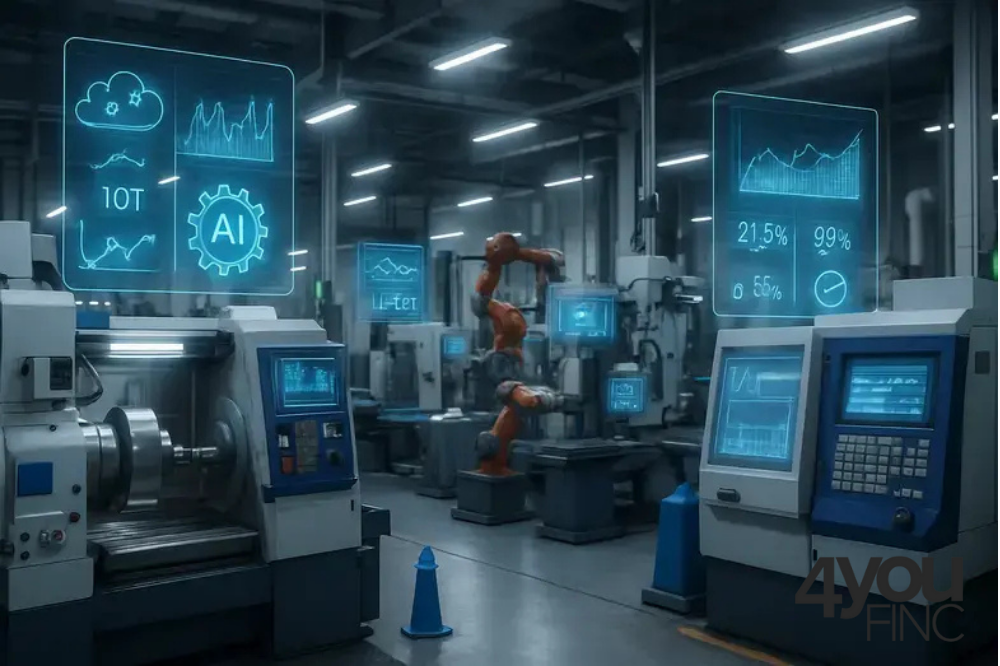
Predictive Maintenance Industry 4.0 is changing how factories anticipate equipment failures before they happen. Curious how artificial intelligence and connected devices can help avoid costly breakdowns? This article dives into what it means for businesses in 2025 and beyond.
What is predictive maintenance in industry 4.0
Predictive maintenance in Industry 4.0 is a smart approach that uses data, sensors, and advanced algorithms to predict when machines might fail. Unlike traditional maintenance, which follows fixed schedules or reacts to breakdowns, this method anticipates problems before they happen. It combines Internet of Things (IoT) devices installed on equipment with artificial intelligence (AI) to monitor machine health in real time.
By collecting data such as temperature, vibration, and pressure, the system analyzes patterns and detects subtle changes that indicate wear or failure. It’s like giving machines a way to “talk” and warn when something needs attention. This approach helps factories reduce downtime, save costs, and improve safety.
Industry 4.0, the current trend of automation and data exchange in manufacturing, makes predictive maintenance more effective by integrating digital technologies fully into operations. It’s different from older methods because it’s continuous, data-driven, and precise, rather than relying on fixed dates or guesswork.
Imagine a car that can tell you it needs a new brake pad before it wears out completely. Predictive maintenance works similarly but at an industrial scale, ensuring machines run smoothly and interruptions are minimized. It became especially critical in recent years due to increased demand for efficiency and the rise of connected factories.
Key technologies driving predictive maintenance
Several key technologies drive predictive maintenance in Industry 4.0, making it smarter and more efficient. At the core are IoT sensors that are installed on machines to continuously collect data like temperature, pressure, vibration, and humidity.
These sensors send real-time data to cloud-based platforms where artificial intelligence (AI) and machine learning (ML) algorithms analyze the information. The AI models identify patterns and anomalies that humans might miss, predicting failures before they happen.
Big data analytics also plays a critical role by managing vast amounts of data from multiple sources. It helps in deriving meaningful insights to optimize maintenance schedules and resource allocation.
Another important technology is edge computing, which processes data near where it is generated. This reduces latency and enables faster decision-making without always relying on cloud connectivity.
Finally, digital twins create virtual replicas of physical assets, allowing companies to simulate and test scenarios to anticipate issues and improve maintenance strategies.
Integration of Technologies
These technologies work together to provide a comprehensive and proactive maintenance approach. For example, IoT sensors gather the data, AI analyzes it, edge computing accelerates processing, and digital twins help visualize and plan maintenance actions effectively.
Benefits for manufacturing efficiency
Predictive maintenance greatly improves manufacturing efficiency by reducing unexpected downtime and optimizing machine performance. When production lines run smoothly, factories can meet deadlines and maintain product quality consistently.
One key benefit is reduced equipment failures. By identifying issues early, maintenance teams can fix problems before they cause costly breakdowns that halt production. This leads to fewer interruptions and less time lost waiting for repairs.
Energy efficiency also improves because machines operate at optimal settings without overexertion or malfunctioning parts. Predictive maintenance helps spot inefficiencies, like worn components, that waste energy and increase costs.
Another advantage is better resource management. Maintenance activities become more targeted and timely, preventing unnecessary part replacements and labor. This improves workforce productivity and lowers spare parts inventory expenses.
Lastly, predictive maintenance enhances safety by preventing sudden failures that could pose risks to workers. Early alerts give teams time to address hazards proactively.
Overall Impact on Manufacturing
This efficient approach allows manufacturers to achieve higher output quality, lower operational costs, and greater competitiveness in the market.
Impact on cost savings and downtime reduction
Predictive maintenance plays a crucial role in cutting costs and minimizing downtime in manufacturing. By catching potential machine failures early, companies avoid expensive emergency repairs that disrupt production.
This approach leads to significant cost savings by scheduling maintenance only when needed, reducing unnecessary labor and parts expenses. It helps factories prioritize work, focusing resources where they are most effective.
Downtime reduction is another major benefit. Instead of unexpected breakdowns causing long production halts, predictive systems send alerts well in advance. This allows maintenance teams to plan fixes during off-peak hours, ensuring minimal impact on operations.
Studies show that predictive maintenance can reduce downtime by up to 50% and cut maintenance costs by 20-30%, depending on the industry. These savings boost overall profitability and make factories more competitive.
Financial Advantages
For businesses, this means better cash flow management and increased return on investment for machinery. It also helps extend equipment lifespan by preventing severe damage.
Challenges in adopting predictive maintenance
Adopting predictive maintenance in Industry 4.0 faces several challenges despite its benefits. One major hurdle is the high initial cost of installing IoT sensors and AI systems, which can be a barrier for small or mid-sized manufacturers.
Another challenge is data management. Collecting vast amounts of sensor data requires robust infrastructure and skilled personnel to analyze it properly. Without the right tools, data overload can reduce effectiveness instead of improving maintenance.
Integration with existing systems can also be complex. Many factories use legacy equipment that may not support modern sensors or connectivity, requiring costly upgrades or workarounds.
Workforce adaptation is another hurdle. Employees must learn to trust and work alongside AI-driven insights, which requires training and a cultural shift within organizations.
Overcoming Challenges
Businesses can start small, implementing predictive maintenance on critical machines first while gradually expanding. Partnering with technology providers and investing in training helps smooth the transition and maximize the benefits.
Real-world examples and success stories
In the real world, many companies have harnessed predictive maintenance to transform their operations. For example, FreshSteel, a medium-sized manufacturer, used IoT sensors to monitor machine vibrations. Before, unexpected downtime cost them thousands monthly. With predictive maintenance, they reduced downtime by 40% and saved over $100,000 in repair costs within a year.
Linda works at a large automotive plant that adopted AI-driven predictive maintenance systems in 2023. The system alerts her team early about potential equipment failures, allowing for quick fixes. This proactive approach saved the plant from a major production halt that could’ve delayed deliveries for weeks.
Another case is GreenPack, a small packaging company. By integrating digital twins with predictive maintenance, they simulated equipment behavior to optimize maintenance schedules. This innovation cut energy usage and extended the life of critical machines.
Lessons from Successes
These stories show different ways companies of all sizes are applying predictive maintenance. The benefits include lower costs, fewer disruptions, and increased safety. Their experiences emphasize starting with key assets and scaling solutions over time for maximum results.
Getting started with predictive maintenance solutions
To get started with predictive maintenance solutions, the first step is to identify critical assets that impact production most. Focus on machines where downtime causes the biggest losses.
Next, install IoT sensors on those machines to begin collecting data like temperature, vibration, and pressure. This setup might take a few hours to days, depending on the scale.
After data collection begins, connect to a cloud or edge-based platform where AI models analyze the information. Many providers offer user-friendly software with dashboards showing alerts and insights.
Training your maintenance team to interpret these insights is crucial. Hands-on sessions help workers understand how to act on predictive warnings to perform timely repairs.
As you gain confidence, gradually expand the system to cover more assets and integrate with existing maintenance management software. Expect initial obstacles like data calibration or device compatibility, but these can be resolved with provider support.
Tips for Success
Start small, measure improvements, and scale steadily. This approach reduces risks and maximizes the return on investment over time.
Wrapping Up Predictive Maintenance in Industry 4.0
Predictive maintenance is changing the way factories operate, helping reduce costs, downtime, and risks. By using AI and IoT, businesses can keep machines running smoothly and avoid surprises.
This approach offers real benefits, from saving money to improving safety and efficiency. While challenges exist, starting small and learning along the way can make adoption easier.
With the right steps and tools, you can make predictive maintenance work for your operation and stay ahead in a competitive market. It’s time to consider how this technology can help your business.