
Sinking Funds: The Simple Budgeting Trick for Planned Big Expenses
Car repairs. Holiday gifts. Annual insurance premiums.
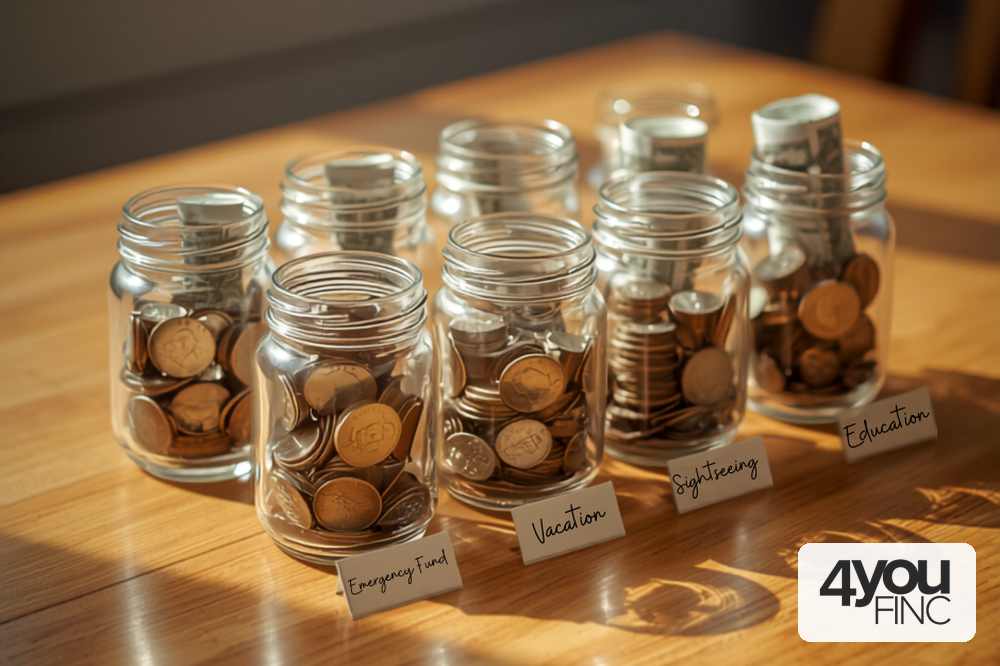
Car repairs. Holiday gifts. Annual insurance premiums. None of these are ever actually a surprise on the calendar, and yet they still manage to wreck a budget every single time they come due. That’s exactly the gap a sinking fund is built to close. Unlike an emergency fund, which covers the unexpected, a sinking fund covers the expected, just spread out in advance so a single big bill never lands all at once and forces you to scramble or reach for a credit card.
What a Sinking Fund Actually Is
Saving for a Specific, Known Expense
A sinking fund is money set aside gradually for a planned future cost, whether that’s a holiday season, a car’s annual maintenance, or a once-a-year insurance payment. Instead of one painful withdrawal that disrupts your normal budget, the cost gets broken into small, manageable monthly deposits that barely register against your regular spending.
The idea actually comes from corporate finance originally, where companies set aside money over time to pay off a future bond. The everyday household version works the same way: you already know the expense is coming, so you fund it gradually instead of absorbing the full impact in a single month.
Different From an Emergency Fund
An emergency fund exists for the unpredictable: a job loss, a medical bill, a broken appliance you never saw coming. A sinking fund exists for the predictable: costs you already know are coming, just not tomorrow. Keeping the two separate prevents one goal from quietly draining the other, which is a common problem when people lump all their savings into a single generic account.
Think of it this way: an emergency fund answers “what if,” a sinking fund answers “when.” Both matter, but they solve different problems, and a withdrawal from one for the other’s purpose usually just means one of the two goals quietly falls behind without anyone noticing until the bill it was meant to cover actually arrives.
Common Expenses People Use Sinking Funds For
Annual and Seasonal Costs
Holiday shopping, back-to-school supplies, annual subscriptions, and yearly insurance premiums are the classic candidates, since they happen on a predictable schedule every single year. Anyone who’s ever been caught off guard by a December credit card bill after the holidays already understands the problem a sinking fund solves.
Irregular but Certain Expenses
Car maintenance, home repairs, and pet vet visits don’t follow a fixed date, but anyone who owns a car, a home, or a pet knows they’re coming eventually. A sinking fund turns “eventually” into “already covered,” which removes a surprising amount of financial stress even before the expense actually shows up.
This category tends to be the one people underestimate the most when they first set up sinking funds, since it’s tempting to assume the car will be fine this year or the water heater will last a little longer. Building a fund based on a realistic average, even a rough one, tends to work out better than hoping the expense simply won’t happen.
How to Set One Up in Practice
Estimate the Total, Then Divide by Time
Start with a realistic total for the expense, then divide it by the number of months until it’s due. A $600 annual insurance premium becomes just $50 a month set aside in advance, which is a far easier number to work into a regular budget than $600 appearing as a single line item once a year.
Give It Its Own Account or Label
Many banking apps let you create labeled sub-accounts or savings “pockets” within a single account. Keeping sinking funds visually separate from everyday spending money makes it far less tempting to dip into them for something unrelated, since the label itself acts as a small psychological barrier.
Automate the Monthly Transfer
Setting up an automatic transfer on payday means the saving happens before the money has a chance to get spent elsewhere. In practice, this is usually the real difference between a sinking fund that works consistently and one that quietly disappears the first time a tight month shows up.
Here’s the thing about relying on willpower alone to move that money manually every month: it works great for the first few months and then quietly stops the moment life gets busy or a paycheck feels tighter than usual. Automation removes the decision entirely, which is exactly the point. The fund grows whether or not you remembered to think about it that week.
Multiple Sinking Funds Without Losing Track
Most people end up running more than one sinking fund at a time. Holidays, car maintenance, and an annual trip, for example, often all at once. A simple spreadsheet or a banking app with multiple labeled savings pockets keeps each goal visible on its own, so progress toward one doesn’t get confused with, or accidentally borrowed from, another.
It also helps to review the list every few months. Expenses change, insurance premiums go up, subscription costs shift, and a sinking fund that was accurate a year ago might quietly be falling short by the time the bill actually arrives.
A quick monthly total across all your sinking funds is worth checking too, not just each one individually. It’s easy to feel like you’re saving plenty when you glance at any single pocket, while the combined monthly commitment across five or six of them is quietly straining the rest of your budget more than you realized.
What This Means for You
The real value of a sinking fund isn’t the amount of money involved, it’s removing the shock of a large, predictable bill landing all at once. Spreading a known cost across several months turns a stressful expense into a routine one, and that shift alone tends to reduce reliance on credit for bills that were never actually unexpected in the first place.
Pick just one upcoming expense you already know is coming, whether that’s next year’s holidays or your car’s next service, and start setting aside a small amount toward it this month. It’s a small habit that pays off precisely when you’d otherwise be scrambling.


