
Harvesting Sunlight from Orbit: The Potential of Space-Based Solar Power for Earth’s Energy Needs
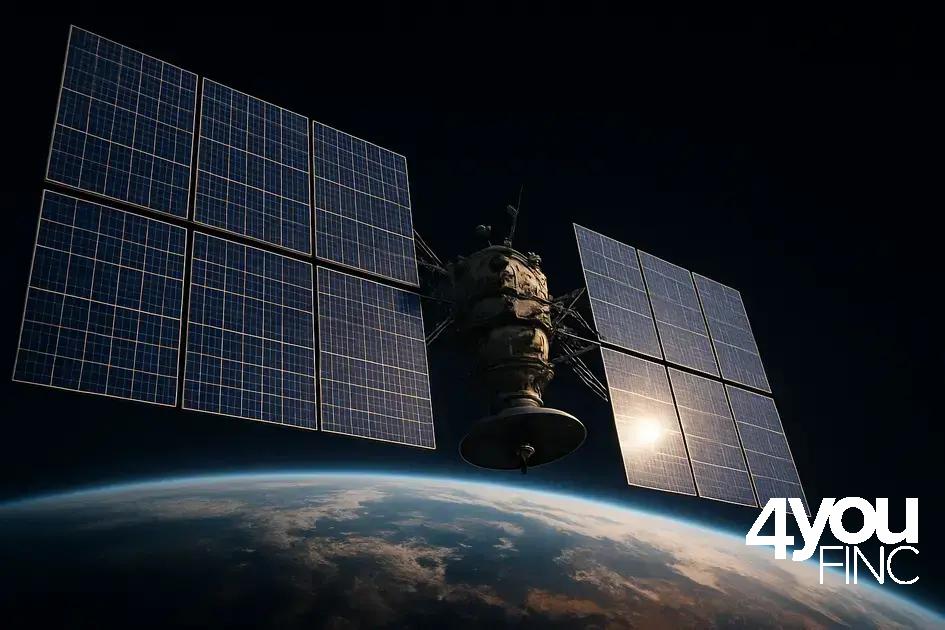
Space-Based Solar Power offers a revolutionary way to capture sunlight from space, transforming Earth's energy future with clean, constant power.
If you feel like your paycheck barely makes it to your account and quickly disappears, you’re not alone. Many people are in this situation — and it’s not for lack of effort. In this post, I speak directly about what to do when money runs out, debts pile up, and despair sets in.
Without promising miracles, I explain where to start: understanding where your money is going, organizing the essentials, and cutting what you can (even if it seems little). I bring practical tips on renegotiation, how to deal with banks, and what to avoid (spoiler: easy loans don’t always help).
I also talk about mindset: getting out of debt is not just a matter of math — it’s also about developing the habit of looking at money without guilt and striving to improve little by little.
And I emphasize: even with a low income, it’s possible to start over. With one step at a time, with patience, and with the right information, financial turnaround can come.
Space-Based Solar Power imagines a future where we capture the sun’s energy directly from orbit, bypassing clouds and day-night cycles. Have you ever wondered if reaching for solar power beyond Earth could solve our energy challenges? Let’s explore how this fascinating concept might change the way we power our world.
what is space-based solar power and how it works
Space-Based Solar Power (SBSP) is a method of collecting solar energy in space using satellites equipped with large solar panels. These satellites capture sunlight directly in orbit, where it is more intense and uninterrupted by Earth’s atmosphere, weather, or day-night cycles.
The collected energy is then converted into microwave or laser beams and transmitted wirelessly to receiving stations on Earth. These ground stations convert the energy back into electricity for distribution into the power grid.
This technology promises a constant and reliable power source because the satellites can gather sunlight 24/7. Unlike traditional solar panels on Earth, SBSP is unaffected by clouds or nighttime, offering a significant advantage for renewable energy supply.
How Space-Based Solar Power Works
Satellites in geostationary orbit carry large, efficient solar arrays that absorb sunlight. The energy is converted to microwaves using a transmitting antenna. These microwaves travel through the atmosphere with minimal loss to a ground-based receiver known as a rectenna.
The rectenna converts the microwaves into electric power that can be fed directly into the electrical grid. This approach allows electricity generation at a large scale, potentially meeting significant portions of our energy needs.
SBSP requires advanced materials, precise control of microwave beams, and coordination between space and ground systems. However, it holds promise as a clean, sustainable alternative to fossil fuels.
advantages of harvesting solar energy from orbit
Harvesting solar energy from orbit offers several key advantages that can transform how we generate electricity on Earth. One major benefit is the constant availability of sunlight. Unlike solar panels on Earth, which are affected by night, weather, and seasons, orbiting solar power stations collect energy 24/7 without interruption.
This uninterrupted access means a much higher energy yield compared to terrestrial solar power systems. Additionally, space-based solar power can deliver clean and renewable energy on a large scale, helping to reduce dependence on fossil fuels and lower greenhouse gas emissions.
High Efficiency and Scalability
Solar panels in space operate in a near-perfect environment without atmospheric interference, increasing their energy conversion efficiency. Moreover, SBSP systems can be scaled up by deploying multiple satellites to meet growing energy demands globally.
Reduced Land Use and Environmental Impact
Since the solar arrays are located in space, they require no valuable land resources on Earth. This reduces environmental disruption and frees up land for other uses like agriculture or conservation.
By overcoming the limitations of terrestrial solar power, harvesting energy from orbit could provide a reliable, clean, and abundant energy source for our future.
technological challenges and solutions for sbsp
The development of Space-Based Solar Power (SBSP) faces several technological challenges that must be overcome to make this energy solution feasible and efficient.
Cost and Launch Logistics
One of the biggest hurdles is the cost of launching large solar arrays into orbit. The current expense of rocket launches and the complexity of assembling satellites in space require innovative solutions like reusable launch vehicles and autonomous robotic assembly.
Energy Transmission and Safety
Transmitting energy safely from space to Earth involves converting solar power into microwave or laser beams. Ensuring precise targeting of these beams to ground receivers is critical to avoid energy loss and prevent hazards. Advanced beam control and safety protocols are under research to address this challenge.
Materials and Durability
Space equipment must withstand harsh conditions such as radiation, extreme temperatures, and micrometeorite impacts. Developing lightweight, durable materials that maintain efficiency over long periods is essential for the reliability of SBSP satellites.
Power Conversion Efficiency
Improving the efficiency of solar panels in space and converting collected energy into microwaves with minimal loss is vital. Advances in photovoltaic technology and microwave transmitter design are continually enhancing overall system efficiency.
Ground Infrastructure
Building large-scale rectennas to receive transmitted energy on Earth requires careful planning to minimize land use and environmental impact. Innovative designs aim to integrate these structures into existing infrastructure or remote areas.
Addressing these challenges involves interdisciplinary collaboration and technological breakthroughs, making SBSP a complex but promising pathway toward sustainable energy.
impact of sbsp on global energy demands
Space-Based Solar Power (SBSP) has the potential to significantly impact global energy demands by providing a continuous and renewable power source. As the world’s population grows and energy needs increase, SBSP could help bridge the gap between supply and demand.
Meeting Growing Energy Needs
SBSP can deliver large amounts of clean energy regardless of weather or time of day, making it a dependable option to support expanding industrial, residential, and technological demands worldwide. This constant energy supply offers an alternative to fossil fuels, which are finite and damaging to the environment.
Reducing Reliance on Fossil Fuels
By integrating SBSP into the global energy mix, countries could reduce their dependence on coal, oil, and gas. This shift would help lower greenhouse gas emissions and combat climate change.
Supporting Remote and Developing Regions
SBSP technology could bring electricity to remote or underdeveloped areas that lack reliable energy infrastructure. This access can improve quality of life and drive economic development.
Enhancing Energy Security
Since SBSP systems operate in space, they are less vulnerable to natural disasters or geopolitical conflicts that might disrupt terrestrial energy supplies. This increases resilience and energy security for nations.
Overall, SBSP offers a promising solution to address the world’s pressing energy challenges by providing abundant, sustainable power to meet global demands.
environmental benefits of space solar power
Space-Based Solar Power (SBSP) offers significant environmental benefits compared to conventional energy sources. First, SBSP produces clean energy without emitting greenhouse gases, which helps combat climate change and reduces air pollution.
Reduction of Carbon Footprint
By harnessing the sun’s energy in space and beaming it to Earth, SBSP can replace fossil fuels used in power generation. This shift could dramatically lower carbon dioxide emissions and slow global warming.
Minimal Land Use
Since solar panels are located in orbit, SBSP systems require very little land on Earth. This preservation of natural habitats supports biodiversity and reduces environmental disruption often associated with large-scale terrestrial solar farms.
Decreased Resource Extraction
SBSP reduces the need for mining and drilling for coal, oil, and natural gas. This leads to less habitat destruction, fewer water pollution incidents, and lower resource depletion.
Lower Air and Water Pollution
With no combustion involved in energy production, SBSP does not generate harmful pollutants or toxic waste. This contributes to healthier ecosystems and improved human health.
Overall, SBSP stands as a promising technology to provide sustainable, renewable energy with a much smaller environmental footprint than traditional power sources.
current projects and future prospects in sbsp development
Several current projects worldwide are pushing the boundaries of Space-Based Solar Power (SBSP) development. Government space agencies, private companies, and research institutions are investing in prototype satellites and critical technologies to test the concept.
Key Ongoing Projects
For example, Japan’s JAXA is actively developing demonstrations to validate wireless power transmission from space. Similarly, the U.S. Department of Energy and NASA have explored designs and pilot experiments to assess feasibility and cost-effectiveness.
Private companies like Solaren Corporation aim to commercially deploy SBSP systems to provide clean energy to power grids. These pilot efforts focus on building lightweight solar arrays, refining microwave transmission, and ensuring safe energy reception on Earth.
Technological Innovations
Advances in robotics, aerospace materials, and wireless power transmission are improving the prospects for scalable SBSP systems. Innovations such as modular satellite assembly, high-efficiency photovoltaics, and beam safety controls are bringing this vision closer to reality.
Future Prospects
Looking ahead, SBSP could be integrated with existing renewable energy sources to create hybrid systems enhancing reliability and coverage. The expected reduction in launch costs, driven by reusable rockets, will make deploying larger solar power arrays more affordable.
As these projects progress, SBSP has the potential to become a critical component of the global transition to sustainable energy.
preparing for integration with earth’s energy grid
Integrating Space-Based Solar Power (SBSP) into Earth’s energy grid involves several technical and infrastructure adaptations. To handle the unique energy transmission from orbit, existing grids require upgrades to manage the new power source’s flow and stability.
Development of Ground Receiving Stations
Large rectennas or receiving antennas on Earth collect microwave or laser energy sent from satellites. These stations must be strategically located to minimize land use and environmental impact, while ensuring efficient energy conversion.
Grid Modifications for Stability
The continuous and predictable nature of SBSP energy can help stabilize grids by providing a steady power input. However, grid systems need advanced control technologies to handle this influx alongside variable sources like wind and terrestrial solar power.
Smart Grid Technologies
Integration will benefit from smart grid advancements that enable real-time monitoring, load balancing, and efficient distribution. These technologies ensure that power from SBSP complements other sources and meets demand dynamically.
Regulatory and Safety Measures
Establishing regulations for safe microwave transmission is critical to protect wildlife, humans, and equipment. International cooperation will be essential to set standards and monitor compliance.
With careful planning and innovation, SBSP can become a seamless part of the global energy infrastructure, enhancing sustainability and energy security.
Looking Ahead to a Brighter Energy Future
Space-Based Solar Power has the potential to revolutionize how we generate energy by offering a constant, clean, and sustainable power source from orbit. As technology advances and projects move forward, SBSP could play a key role in meeting global energy demands while reducing environmental impact.
Though challenges remain, ongoing research and development are paving the way for innovative solutions that bring this vision closer to reality. Preparing our energy grids and infrastructure to integrate SBSP will ensure a smooth transition to this exciting energy option.
By embracing space-based solar power, we can look forward to a future with more reliable and eco-friendly electricity for all.