
Building a Greener Future: Innovations in Sustainable Materials Technology
Explore how sustainable materials technology is reshaping industries and driving eco-friendly innovation for a cleaner, greener future today.
If you feel like your paycheck barely makes it to your bank account before disappearing, you’re not alone. Many people face this struggle—and it’s not due to a lack of effort. In this post, I speak frankly about what to do when money doesn’t stretch, debts pile up, and anxiety takes hold.
Without promising any miracles, I explain where to start: understanding where your money is going, organizing the essentials, and cutting back wherever possible—even if it feels like a small step. I offer practical tips on renegotiating debts, how to deal with banks, and what to avoid (spoiler: easy loans don’t always help).
I also discuss mindset: getting out of the red isn’t just math—it’s about developing the habit of facing your finances without guilt and aiming for gradual improvement.
And I emphasize: even with low income, it’s possible to restart. One step at a time, with patience and the right knowledge, financial turnaround is within reach.
Sustainable Materials Technology is more than a buzzword—it’s a pathway to reducing harm and creating smarter solutions. Ever wondered how new materials can help save the planet while keeping up with modern demands? Let’s explore the innovations transforming our world step by step.
understanding sustainable materials and their impact
Sustainable materials are designed to have a minimal impact on the environment throughout their lifecycle. These materials come from renewable resources, are biodegradable, or can be recycled efficiently, reducing waste and pollution. Understanding sustainable materials begins with recognizing their benefits, such as conserving natural resources and lowering greenhouse gas emissions.
Types of sustainable materials
Common examples include bamboo, cork, recycled metals, and bioplastics. These materials often replace traditional ones like plastics and non-renewable metals, offering similar performance with a smaller environmental footprint.
Environmental impact and benefits
By using sustainable materials, industries reduce their carbon footprints and contribute to a circular economy. For instance, using recycled metal not only cuts down mining activities but also lowers energy use during production.
Applications across industries
Sustainable materials are increasingly adopted in construction, fashion, packaging, and automotive sectors. Each use case focuses on durability, resource efficiency, and recyclability to help drive innovation that supports the planet.
In short, grasping the significance of sustainable materials helps consumers and businesses make informed choices that support environmental health and future sustainability goals.
recent breakthroughs in eco-friendly material technologies
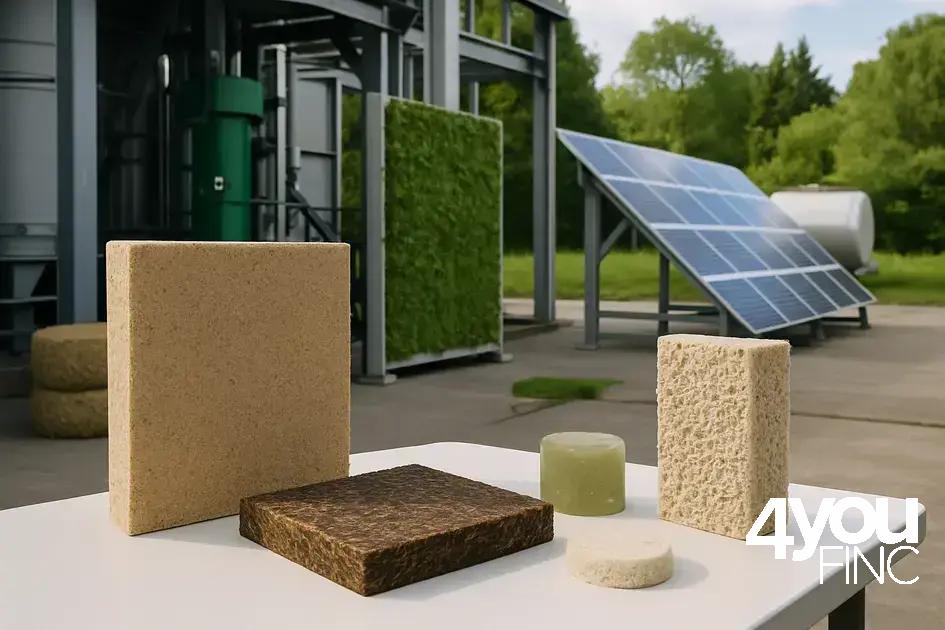
Recent breakthroughs in eco-friendly material technologies have opened new pathways for sustainable development. Innovations such as bio-based plastics, materials derived from plant sugars, and mycelium-based composites are transforming how we think about manufacturing and waste.
Bio-based plastics
Unlike traditional plastics made from fossil fuels, bio-based plastics use renewable resources like corn or sugarcane. These materials often break down faster in the environment and reduce dependency on oil, offering a cleaner alternative for packaging and product design.
Mycelium composites
Mycelium, the root structure of mushrooms, can be grown into durable, lightweight materials that serve as insulation, packaging, and even furniture components. This innovation supports a circular economy by being fully biodegradable and requiring minimal energy to produce.
Self-healing materials
Cutting-edge materials now include self-healing capabilities, which repair damage autonomously, extending product lifespans and reducing waste. These advances mainly apply in the automotive and construction industries.
These eco-friendly material technologies not only help reduce environmental footprints but also inspire new applications that combine sustainability with performance.
how sustainable materials reduce environmental footprints
Sustainable materials reduce environmental footprints by minimizing resource use and waste throughout their life cycles. They often come from renewable sources, helping to conserve finite natural resources and lower energy consumption during production.
Lower greenhouse gas emissions
Using sustainable materials typically results in fewer carbon emissions compared to conventional materials. For example, recycled steel requires less energy to produce than newly mined steel, contributing to lower overall greenhouse gases.
Waste reduction and recyclability
Materials designed to be recyclable or biodegradable help reduce landfill waste. Closed-loop recycling systems allow materials to be reused multiple times, cutting down on pollution and the need for new raw materials.
Reduced water usage and pollution
Production of sustainable materials often uses less water and emits fewer harmful chemicals. For instance, producing natural fibers like hemp or flax consumes less water and pesticides than conventional cotton farming.
Overall, adopting sustainable materials is a practical way to cut environmental harm, supporting healthier ecosystems and more responsible resource management.
key industries adopting sustainable materials
Many key industries are adopting sustainable materials to reduce environmental impacts and meet consumer demand for eco-friendly products. The construction sector uses materials like recycled steel and bamboo to create greener buildings. Green building standards promote these choices for better energy efficiency and lower carbon footprints.
Automotive industry
The automotive sector incorporates sustainable components such as bioplastics and recycled aluminum to reduce vehicle weight and improve fuel efficiency. These materials also help car manufacturers meet strict emissions regulations.
Fashion and textiles
Sustainable fabrics like organic cotton, hemp, and recycled polyester are becoming common in fashion. Brands focus on reducing water use and chemical pollution throughout the supply chain, while appealing to eco-conscious consumers.
Packaging and consumer goods
Many companies switch to biodegradable or recyclable packaging materials, such as paper-based wraps or bioplastics. This shift plays a vital role in minimizing plastic waste in oceans and landfills.
The growing adoption of sustainable materials across industries reflects a significant trend toward environmental responsibility and innovation in product design.
challenges in developing and scaling sustainable materials
Developing and scaling sustainable materials comes with several challenges that affect their adoption and impact. One major hurdle is the high production cost, which often makes sustainable alternatives less competitive compared to traditional materials. This cost difference can slow widespread use, especially in price-sensitive markets.
Technical and performance limitations
Some sustainable materials may not yet match the strength, durability, or versatility of conventional options. This limits their application in industries where high performance is critical, such as aerospace or automotive sectors.
Supply chain and raw material availability
Reliable access to renewable or recycled raw materials can be inconsistent. Supply chains for sustainable inputs are often less developed, leading to scalability issues and periodic shortages.
Regulatory and certification barriers
Different countries have varying regulations around new materials. Gaining certifications to prove safety and environmental benefits can be time-consuming and expensive, delaying market entry.
Despite these challenges, ongoing research and investment aim to improve the scalability and affordability of sustainable materials, helping them play a bigger role in the future economy.
the role of government and policies in promoting green materials
Governments play a crucial role in promoting the use of green materials through policies and regulations. By setting standards and offering incentives, they encourage industries to adopt sustainable practices.
Regulatory frameworks
Policies such as carbon pricing, emission limits, and mandatory recycling laws push companies to reduce environmental impacts. These regulations guide the development and use of eco-friendly materials by making unsustainable options less attractive.
Financial incentives
Governments offer subsidies, tax credits, and grants to support research and adoption of sustainable materials. This reduces the economic barriers businesses face when switching to greener alternatives.
Public procurement
Implementing green purchasing policies ensures that government projects prioritize materials with lower environmental footprints. This not only drives demand but also sets an example for private sectors.
Education and awareness
Policies that promote education and public awareness help increase knowledge about the benefits of sustainable materials. This creates consumer demand and supports market growth.
Through these mechanisms, governments help shape a market where sustainable materials can thrive, benefiting the environment and the economy.
future trends and emerging innovations in sustainable materials
The future of sustainable materials is shaped by exciting trends and innovations that aim to enhance environmental benefits and performance. One key development is the rise of nanotechnology, which improves material strength and functionality while reducing resource use.
Smart materials and sensors
Materials embedded with sensors can monitor health or environmental conditions, enabling smarter applications in construction, healthcare, and packaging. These smart materials optimize usage and minimize waste throughout their lifecycle.
Biofabrication and synthetic biology
Using living organisms, researchers create materials like lab-grown leather and self-healing concrete. These innovations offer renewable, low-impact alternatives to traditional materials with enhanced durability.
Recycling and circular economy advancements
New techniques enable better separation and reuse of materials, supporting a circular economy. Improved recycling processes reduce landfill waste and lower the demand for virgin resources.
As these technologies evolve, sustainable materials will become more accessible and powerful, helping industries achieve a greener future with continuous innovation.
Building a sustainable future with innovative materials
Sustainable materials technology is transforming industries by providing eco-friendly alternatives that reduce environmental impact. Innovations like biofabrication, smart materials, and improved recycling are paving the way for greener solutions.
While challenges remain, ongoing research and supportive policies encourage wider adoption and drive continuous improvement. By embracing these advancements, businesses and consumers can contribute to a healthier planet.
Looking ahead, sustainable materials will play a vital role in creating products and infrastructure that last longer, use fewer resources, and help protect the environment for future generations.