One Mind: How Swarm Robotics Are Solving Complex Problems Through Collective Intelligence
Swarm Robotics Coordination Many Hands unlocks powerful collective intelligence to tackle complex challenges in real time, changing how machines work together.

Swarm Robotics Coordination Many Hands might sound complex, but think of it like a group of ants working together to move something heavy. How can many small machines team up to solve big problems? Let’s unravel this fascinating topic and see how collective intelligence is shaping the future of robotics.
understanding swarm robotics and its basics
Swarm robotics is a field that studies how large groups of simple robots can work together to perform tasks that are difficult or impossible for a single robot. These robots cooperate by following simple rules and communicating locally, much like bees or ants do in nature. The goal is to achieve complex behaviors through collective action, rather than relying on individual intelligence.
Basic concepts include decentralization, meaning there is no single leader controlling the group, and scalability, where adding more robots improves performance naturally. Each robot senses its environment and nearby robots, adapting its actions based on this information.
This approach is powerful because it allows systems to be flexible and fault tolerant. If one robot fails, the swarm can still complete the mission. Applications range from environmental monitoring to search and rescue, where coordinated efforts are essential.
key principles behind swarm coordination
Swarm coordination relies on a few key principles that allow many simple robots to work as one cohesive unit. One fundamental idea is local communication, where each robot shares information only with its neighbors instead of relying on a central controller. This enhances flexibility and reduces failure points.
Self-organization is another vital principle. Through simple rules that each robot follows, a complex and adaptive group behavior emerges naturally, much like birds flocking or fish schooling. This decentralized approach equips the swarm to handle unpredictable environments effectively.
Additionally, redundancy plays a major role. Multiple robots performing similar tasks ensure the whole system keeps working even if some units fail or face obstacles. This increases the swarm’s overall reliability.
Finally, scalability means the swarm’s performance improves as more robots join. This allows systems to grow without losing effectiveness, useful for tasks that need variable coverage or strength.
technologies enabling many hands in robotics
Several technologies enable the coordination of many robotic hands working together in a swarm. First, sensors play a crucial role. Robots use cameras, lidar, infrared, and tactile sensors to perceive their surroundings and each other, allowing them to react and adapt in real time.
Wireless communication technologies like Wi-Fi, Bluetooth, and specialized mesh networks provide the backbone for robots to share information locally or over larger distances. This communication allows the swarm to maintain coordination without centralized control.
Advanced algorithms, including those based on artificial intelligence and machine learning, help robots make decisions on the fly. These algorithms process data from sensors and communication channels to adjust individual and group actions, optimizing task completion.
Distributed computing systems also support swarm robotics by balancing workloads across the robots, improving speed and fault tolerance. Some systems use edge computing to process data locally on each robot, reducing latency.
Furthermore, advancements in hardware miniaturization enable creating smaller, cheaper robots that can be produced in large numbers, essential for many hands working in unison.
real-world applications of swarm robotics
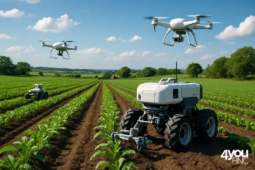
Swarm robotics finds real-world use in many areas where teamwork among numerous simple robots can solve complex problems efficiently. In agriculture, swarms monitor crop health, distribute fertilizers, and even assist in harvesting with coordinated movements. This helps farmers save time and reduce costs.
In search and rescue missions, robot swarms explore disaster zones more quickly than humans or single robots. Their ability to cover wide areas, share data instantly, and adapt to changing environments makes them invaluable in finding survivors and assessing damage.
Environmental monitoring is another key application. Swarms can track pollution levels in oceans or forests by collecting data from multiple points simultaneously, providing a fuller picture than traditional methods.
Industrial automation benefits from swarm robotics as well. Robots work together to assemble products, inspect quality, and transport materials across factory floors, enhancing efficiency and flexibility.
Military and defense use swarms for surveillance and reconnaissance, reducing human risk. These applications showcase how collective intelligence in swarm robotics is becoming a practical tool across diverse sectors.
benefits of collective intelligence in robotics
The concept of collective intelligence in robotics means combining the efforts of many simple robots to behave like a single, smarter entity. This approach offers multiple benefits, including increased efficiency because tasks are divided among many units working simultaneously.
Another key benefit is robustness. Since there is no single point of failure, the system tolerates individual robot breakdowns without impacting the overall mission. This makes swarm robotics very reliable in harsh or unpredictable environments.
Scalability is also important. Adding more robots can improve performance without needing complex recalibration. This flexibility allows systems to grow as needs change.
Collective intelligence enables flexibility and adaptability. The system can dynamically adjust to new situations by changing the roles or behaviors of individual robots based on the group’s needs.
Finally, collective robotics can reduce costs by using simple, cheap robots instead of expensive, complex machines. This makes advanced robotic capabilities accessible to more industries and applications.
challenges in coordinating multiple robots
Coordinating multiple robots in a swarm brings several challenges. One major issue is communication delays. Since robots rely on local wireless connections, signals may be slow or disrupted, leading to delays in sharing vital information.
Collision avoidance is another challenge. With many robots moving in tight spaces, it’s crucial they detect each other to prevent crashes, which requires precise sensor data and quick reactions.
Managing task allocation efficiently is also difficult. The system must ensure that robots divide tasks fairly without overlap, which can be complex when environments change rapidly.
Additionally, scalability can become a problem if the swarm grows too large and the communication network becomes congested. This can reduce the swarm’s overall performance and responsiveness.
Lastly, hardware limitations such as battery life, sensor quality, and processing power often restrict what individual robots can do, affecting the whole swarm’s capabilities. Addressing these challenges is key for effective swarm robot coordination.
how swarm robotics improves efficiency
Swarm robotics improves efficiency by dividing complex tasks into smaller, manageable pieces that many robots can handle simultaneously. This parallel processing speeds up work that would take longer if performed by a single robot.
Each robot adapts quickly to its surroundings and communicates with others to optimize movements and reduce wasted time or resources. This leads to better resource utilization and less downtime.
Because there’s no central controller, the swarm can continue functioning even if some robots fail, ensuring continuous operation without major interruptions. This reliability minimizes delays and increases productivity.
Robots also learn and adjust their behaviors based on feedback from the environment and peers, which furthers improvement in task execution. This adaptive coordination means the swarm becomes more effective over time with less human oversight.
Overall, swarm robotics lowers costs and increases speed, making it a promising solution for industries that demand fast, flexible, and reliable automation.
impacts on industries and daily life
Swarm robotics impacts various industries by enabling faster, safer, and more flexible operations. In logistics, swarms of robots speed up sorting and delivery tasks, reducing human labor and errors. This leads to quicker shipments and lower costs.
In healthcare, swarm robots assist in tasks like sterilization, monitoring patients, and delivering supplies, improving efficiency and safety. Such automation allows staff to focus more on patient care.
Smart agriculture benefits as well, with swarms monitoring soil, planting seeds, and harvesting crops. This precision farming boosts yields and conserves resources like water and fertilizer.
In daily life, swarm robotics can clean homes, assist with maintenance, and even help in disaster response. These robots work collectively to cover large areas faster than single machines could.
The widespread adoption of swarm robotics promises improved productivity, safer workplaces, and new conveniences that gradually reshape everyday experiences and business operations.
future trends in swarm robotics
Future trends in swarm robotics point to more advanced autonomy and intelligence. Robots will increasingly use artificial intelligence to make independent decisions, improving their ability to adapt without human input.
Miniaturization will allow for even smaller robots, enabling swarms of thousands or millions of units for tasks like environmental monitoring or medical applications inside the human body.
Integration with the Internet of Things (IoT) is expected, where robotic swarms communicate seamlessly with smart devices, creating more connected and efficient systems in homes, factories, and cities.
Advances in energy efficiency and wireless charging will extend operational times, making swarm robots practical for longer missions without frequent recharging.
Lastly, ethical and regulatory considerations will shape how swarms are deployed, focusing on safety, privacy, and responsible use as their presence grows in society.
getting started with swarm robotics coordination
Getting started with swarm robotics coordination involves a few vital steps. First, select or acquire swarm robotic kits that suit your goals, focusing on systems with good support for programming and scalability. Many beginner-friendly platforms exist that allow hands-on learning.
Step two is understanding the software and programming environment. Start with simple coordination algorithms like flocking or following, which help grasp fundamental swarm behaviors.
Next, test your setup in controlled environments to observe robots’ interactions. Make adjustments to communication range, task allocation, and sensor settings to optimize performance.
Maximizing benefits requires iterating on your designs and algorithms based on results. Experiment with different swarm sizes and tasks to find effective solutions.
Challenges like signal interference or hardware limitations may arise. Address them by improving communication protocols, upgrading sensors, or simplifying tasks. Persistence and incremental learning are key to successful swarm robotics projects.
common questions about swarm robotics
Is swarm robotics safe and legal? Yes, swarm robotics follow safety standards and regulations depending on where they operate. Developers prioritize safe interactions with humans and environments, ensuring robots act within legal frameworks.
How much does swarm robotics cost? Costs vary widely based on the number of robots and technology used. Basic kits are affordable for education, while industrial swarms require larger budgets. Over time, prices tend to drop with technological advances.
How long does it take to set up a swarm robot system? Setup time depends on system complexity but usually ranges from hours to days. Initial programming and testing are crucial for smooth coordination.
Is swarm robotics worth it for small businesses or individuals? For small tasks or learning, simple swarm systems can offer value. Larger-scale or industrial applications see more significant returns, especially in automation and monitoring.
What happens if a robot fails in the swarm? Swarm robotics are designed for fault tolerance. If one robot fails, others adapt to maintain the task, ensuring the overall mission continues without major issues.
Wrapping up on swarm robotics and collective intelligence
Swarm robotics offers exciting possibilities by enabling many simple robots to work together intelligently. This approach improves efficiency, flexibility, and reliability across industries and daily life.
While challenges remain, ongoing technological advances continue to make swarm systems more capable and accessible. Understanding key principles and starting with small projects can help you explore this innovative field.
As swarm robotics grows, it promises to bring practical benefits and reshape how machines collaborate to solve complex problems.
Are you ready to explore the power of many hands working as one mind?