
How to Save for a Big Purchase Without Going Into Debt
A big purchase, whether it's a piece of furniture, a major appliance, or a long-awaited trip, doesn't have to mean reaching for a credit card or a financing plan.
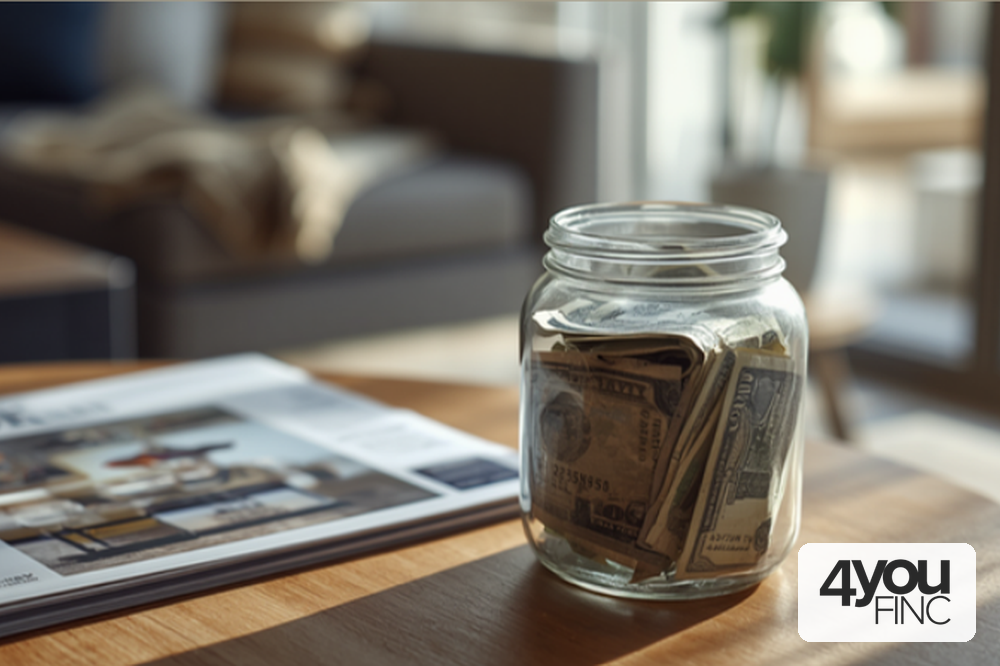
A big purchase, whether it’s a piece of furniture, a major appliance, or a long-awaited trip, doesn’t have to mean reaching for a credit card or a financing plan. With a bit of planning ahead of time, it’s entirely possible to pay for it in full without touching debt at all.
Give the Purchase a Real Timeline
Work Backward From the Price
Take the total cost and divide it by how many months you’re willing to wait. That gives you a concrete monthly savings target instead of a vague intention to “save up for it eventually.” A specific number turns an abstract goal into something you can actually track week to week.
Say the trip you want costs $2,400 and you’d like to be ready in eight months. That’s $300 a month, a number you can actually hold up against your paycheck and ask whether it’s realistic. If it isn’t, you adjust the timeline rather than quietly hoping the money shows up on its own.
Create a Dedicated Fund
Keep the savings for this specific purchase separate from your everyday checking account, and it becomes far less likely to quietly get spent on something else before the goal is reached. A labeled savings sub-account works well here, the same principle behind a sinking fund for any known future expense.
Automate the transfer too, rather than relying on moving the money manually each month. Set it to leave your checking account the day after payday, before you’ve had a chance to mentally spend it on something else. What you don’t see sitting in your regular balance is a lot harder to talk yourself into spending.
Find the Money Without Straining Your Budget
Redirect Windfalls
A tax refund, work bonus, or cash gift can meaningfully shorten the timeline if you redirect a portion straight to the purchase fund instead of letting it blend into regular spending.
Temporary Category Cuts
Trimming one specific spending category for a defined period, rather than trying to cut everything a little, tends to be easier to sustain and gives you a clear, calculable boost to the savings timeline.
Pick the category that costs the most for the least genuine enjoyment, that’s usually the easiest one to live without for a few months. For a lot of people that’s takeout or a subscription they barely use, not the thing they’d actually miss.
Watch for the Financing Trap
Zero Percent Isn’t Always as Simple as It Sounds
Promotional zero-interest financing can be a genuinely reasonable option if you’re certain you can pay it off within the promotional window. The risk is underestimating how easy it is to miss that deadline. At that point, retroactive interest is sometimes applied to the entire original balance, not just whatever’s left.
Here’s what that looks like in practice: you finance $1,200 at zero percent for twelve months, pay it down steadily, and then life gets busy in month eleven and you miss the final payment by a few weeks. Depending on the fine print, you could suddenly owe interest calculated on the full $1,200 from day one, not just the small remaining balance.
If you do use an offer like this, set a reminder well before the promotional period ends and treat the payoff date as completely non-negotiable. That single habit protects you from the exact scenario that makes these offers risky in the first place.
The Payoff of Paying in Cash
Beyond avoiding interest entirely, paying for a big purchase outright often comes with better negotiating leverage, since some sellers are willing to offer a discount for payment in full rather than financing.
What This Means for You
A big purchase feels far less stressful when it’s planned for in advance rather than financed under pressure in the moment. A concrete timeline, a dedicated fund, and a healthy skepticism toward financing offers are usually all it takes to get there without adding a single dollar of new debt.


