
The New Loyalists: Understanding Gen Z’s Unique Preferences in Brand Loyalty and Rewards
Gen Z loyalty preferences reveal fresh takes on brand loyalty and rewards—discover what truly matters to this generation today.
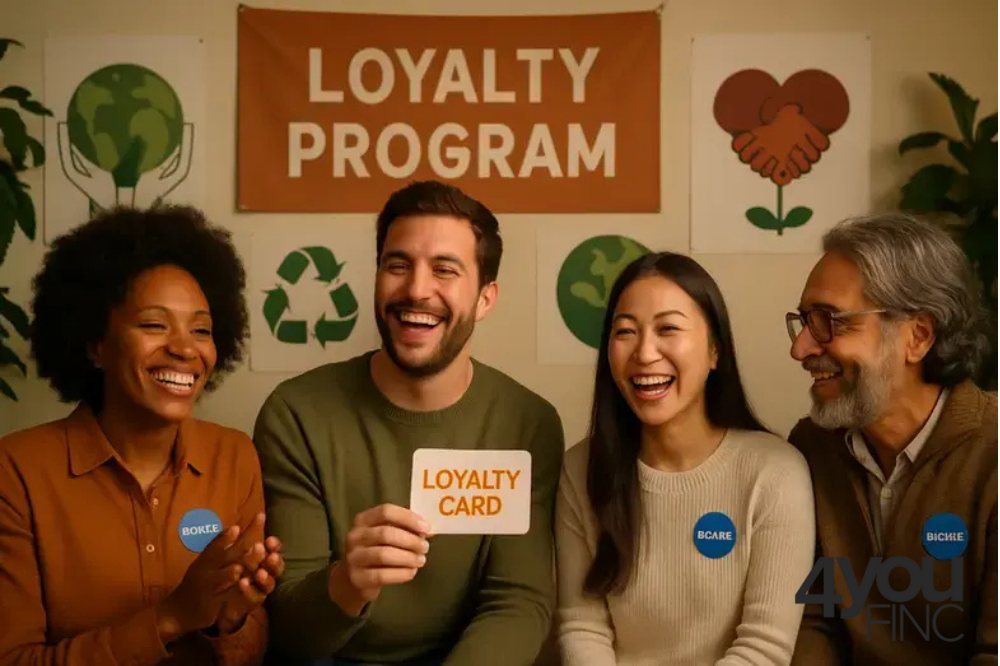
Gen Z loyalty preferences are reshaping how brands connect with younger consumers. Ever wondered why traditional loyalty programs fall flat for this group? Let’s unpack what really grabs their attention.
Understanding gen z loyalty mindset
Gen Z’s loyalty mindset is shaped by their values and experiences growing up in a digital world. Unlike previous generations, they don’t just stick with brands out of habit; they seek brands that align with their beliefs and lifestyle. Authenticity and transparency are crucial—they want to see real stories and honest communication.
Trust plays a major role in Gen Z’s loyalty. They often research reviews and social media before committing to a brand. This generation values emotional connections and expects brands to engage meaningfully, rather than just pushing products.
Another key aspect is flexibility. Gen Z doesn’t always want to be locked into traditional loyalty programs. Instead, they appreciate options that fit their dynamic preferences, like personalized rewards or experiences that go beyond discounts.
Ultimately, their loyalty is earned through consistent engagement and shared values. They look for brands that act responsibly on social issues and contribute positively to society. This mindset means businesses must continuously evolve to stay relevant to Gen Z audiences.
Key factors influencing gen z loyalty
Several key factors influence Gen Z loyalty, shaping how this group decides which brands to support and stay with over time. First, values alignment is essential; Gen Z prefers brands that share their views on social issues, sustainability, and diversity. Brands that show genuine commitment to these causes often earn more loyalty.
Next is the digital experience. Gen Z has grown up online and expects seamless, fast, and interactive digital touchpoints. From mobile apps to social media presence, brands that offer engaging and easy-to-use platforms stand out.
Personalization also plays a big role. Generic offers no longer cut it. Gen Z users want rewards and messages tailored to their preferences and behavior. This approach makes them feel valued and understood.
Transparency and trust are crucial. This generation seeks honest communication about products, pricing, and policies. They are quick to spot insincerity, so brands must be open and responsive.
Finally, community and engagement matter a lot. Gen Z values interactive experiences where they can connect with brands and peers. Loyalty initiatives that foster community, such as exclusive events or online groups, boost long-term commitment.
How gen z differs from previous generations
Gen Z stands out from previous generations because of their unique life experiences and technology use. Unlike Millennials or Gen X, Gen Z has grown up fully immersed in the digital age, which shapes how they view brands and loyalty. Instant access to information means they are more informed and skeptical about marketing claims.
Communication style differs as well; Gen Z prefers genuine, informal, and visual interactions through platforms like TikTok and Instagram. They value quick, authentic responses over polished advertisements.
When it comes to spending, Gen Z is more cautious and value-conscious due to growing up during economic uncertainty. This makes them selective about loyalty programs and rewards, seeking real value over flashy promotions.
Social awareness is another key difference. Gen Z holds brands accountable for social and environmental issues and expects them to take clear stands. This contrasts with earlier generations, who often prioritized convenience or price.
Overall, Gen Z’s expectations for brands are higher and more complex. They want emotional connection, ethical behavior, and digital convenience all at once, making their loyalty harder to earn but more valuable when secured.
The role of technology in loyalty preferences
Technology plays a central role in shaping Gen Z’s loyalty preferences. This generation expects brands to provide seamless, personalized, and instant digital experiences across all platforms. Mobile apps, social media, and AI-driven tools have transformed how loyalty programs operate.
Gen Z values convenience and real-time interaction. Apps that offer easy access to rewards, track points automatically, and allow instant redemption are highly favored. Chatbots and AI-powered customer support create faster, more responsive service.
Social media integration is another key technology feature influencing loyalty. Brands use platforms like Instagram, TikTok, and Snapchat to engage customers, offering exclusive deals and interactive content that build emotional connections.
Moreover, data analytics technologies enable brands to tailor rewards and offers based on individual behaviors. This personalization makes loyalty feel more meaningful and relevant, encouraging ongoing engagement.
Finally, blockchain and secure payment systems are emerging as tools to enhance trust and transparency in loyalty programs by protecting customer data and ensuring fair reward distribution.
Reward programs that really click with gen z
Reward programs that resonate with Gen Z focus on personalization and experience. This generation values rewards that feel tailored to their interests, such as exclusive access to events, limited edition products, or unique experiences rather than just discounts or points.
Gamification is a powerful element in programs that catch their attention. Incorporating games, challenges, and social sharing creates fun and engagement, making the loyalty process enjoyable and interactive.
Another key feature is flexibility. Gen Z prefers programs that allow them to choose how and when to redeem rewards, providing options that fit their lifestyle rather than fixed terms and conditions.
Mobile-first design is crucial. Loyalty programs should be easily accessible via apps with intuitive interfaces, instant notifications, and fast reward redemption. This meets Gen Z’s expectation for convenience and speed.
Social impact also matters. Programs that link rewards to charitable causes or sustainable efforts often earn extra loyalty points by tapping into Gen Z’s desire to support purposeful brands.
Overall, successful reward programs blend personalization, experience, flexibility, and social consciousness to authentically connect with Gen Z.
Impact on marketing strategies
Gen Z’s loyalty preferences have a significant impact on marketing strategies. Brands must shift from traditional advertising to more authentic and interactive campaigns that appeal to Gen Z’s values and digital habits.
Content marketing becomes more vital as Gen Z favors genuine stories, behind-the-scenes looks, and influencer partnerships they trust. Marketing that feels real and relatable fosters deeper connections.
Social media platforms are the primary channels for reaching Gen Z. Successful strategies leverage trends, memes, and short-form videos to catch attention quickly and engage users in meaningful ways.
Personalization is key in marketing approaches. Using data responsibly to tailor messages and offers improves relevance and shows that brands understand individual preferences.
Brands also need to emphasize social and environmental responsibility in their messaging. Highlighting sustainability efforts or community support resonates strongly with Gen Z, influencing their loyalty and purchasing decisions.
Finally, marketers must focus on creating two-way conversations rather than one-way broadcasts. Encouraging participation through polls, challenges, and interactive content helps build a loyal and active audience.
Examples of brands winning gen z loyalty
Several brands have successfully won Gen Z loyalty by understanding and meeting their unique preferences. One example is Glossier, a beauty brand that uses transparent communication and community-driven marketing to foster trust and authenticity. Their focus on social media engagement makes customers feel involved and heard.
Netflix is another brand that resonates with Gen Z through personalized content recommendations and interactive experiences like watch parties. Their continuous innovation and focus on user experience keep Gen Z engaged and loyal.
Fast fashion retailer ASOS appeals to Gen Z by combining trendy styles with sustainability initiatives, showing care for environmental concerns while providing the latest fashions. Their flexible return policies and easy mobile shopping also enhance loyalty.
Starbucks has built loyalty by integrating a robust mobile app, offering personalized rewards, and supporting social causes that matter to Gen Z. Their inclusive branding and community involvement deepen emotional connections.
Lastly, Nike connects with Gen Z through inspiring storytelling, collaborations with influential figures, and emphasizing diversity and social justice. Their programs encourage active participation, making loyalty feel dynamic and authentic.
How businesses can adapt to gen z expectations
To effectively connect with Gen Z, businesses must adapt to their expectations by embracing authenticity and transparency. Gen Z values honesty and wants brands to communicate openly about their products, values, and practices.
Incorporating technology is crucial. Businesses should develop mobile-friendly platforms, streamline digital payment options, and use AI to personalize customer experiences.
Offering flexible and personalized loyalty programs helps meet Gen Z’s desire for choice and relevance. This could mean allowing customers to choose rewards or tailoring offers based on their behavior.
Supporting social and environmental causes also aligns with Gen Z values. Businesses can share their sustainability initiatives and participate in community projects to build meaningful connections.
Engaging with Gen Z on social media through interactive content, influencer partnerships, and real-time communication fosters a sense of community and trust.
Finally, businesses should prioritize speed and convenience in all interactions, from browsing to checkout to customer support, as Gen Z expects seamless and quick service.
Wrapping Up Gen Z Loyalty Preferences
Understanding Gen Z loyalty means recognizing their demand for authenticity, personalization, and social responsibility. Brands that adapt to these values through transparent communication and technology stand the best chance of winning their trust.
From personalized rewards to meaningful engagement on social media, every touchpoint matters to this generation. Businesses that deliver convenience, flexibility, and genuine connection will build lasting loyalty with Gen Z.
As Gen Z continues to shape the market, brands prepared to evolve alongside them will enjoy stronger relationships and greater success. The key lies in listening closely and responding thoughtfully to what Gen Z truly wants.


