Unlock Your Brain: How Neuroeducation Is Revolutionizing Learning Methods
Neuroeducation explores how our brain learns best, offering fresh methods to boost memory and understanding in daily life and school.
If you feel like your paycheck barely hits your account before disappearing, you’re not alone. Many people face this situation — and it’s not for lack of effort. In this post, I speak frankly about what to do when money runs short, debts pile up, and desperation sets in.
Without promising miracles, I explain where to start: understanding where your money is going, organizing the essentials, and cutting what you can (even if it seems small). I offer practical tips for renegotiating debt, dealing with banks, and what to avoid (spoiler: easy loans don’t always help).
I also talk about mindset: getting out of debt isn’t just about math — it’s also about building the habit of facing money without guilt and improving little by little.
And I emphasize: even with a low income, you can start over. Step by step, with patience and the right information, financial recovery can happen.
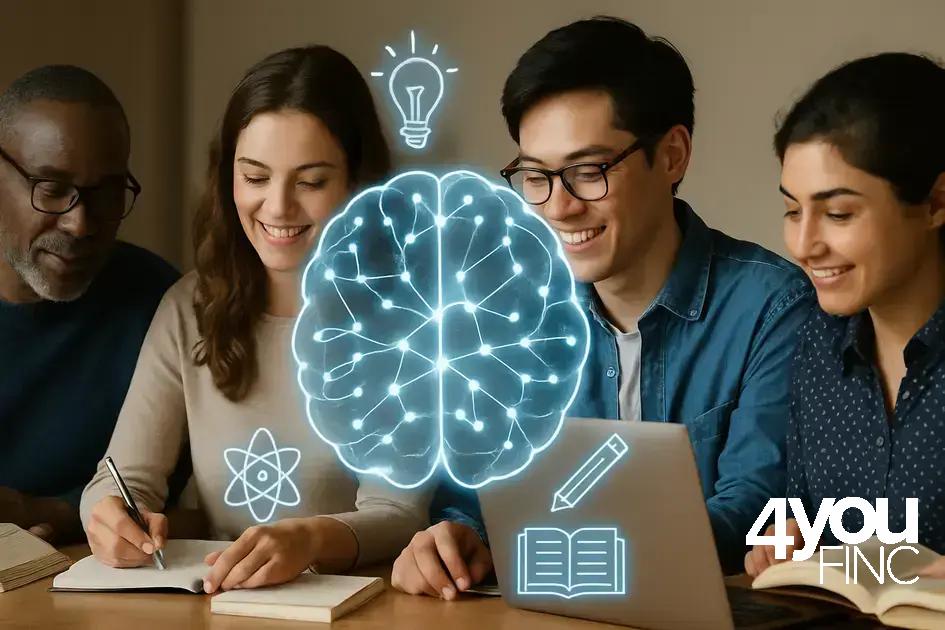
Neuroeducation is reshaping how we think about learning by connecting brain science with teaching. Ever wonder why some methods stick better than others? This article dives into what makes neuroeducation a fresh take on learning and how it might change your study habits for good.
what is neuroeducation and why it matters
Neuroeducation combines neuroscience, psychology, and education to understand how the brain learns best. It studies brain functions and learning processes to improve teaching methods and help students retain information effectively. This field emphasizes that learning isn’t just about memorizing facts, but involves how our brain processes and stores knowledge.
Why neuroeducation matters
Traditional education methods often overlook how the brain works during learning, which can lead to ineffective teaching. Neuroeducation offers insights into memory, attention, and motivation, helping educators design lessons that align with brain function. This approach can improve student engagement, reduce learning difficulties, and foster long-term understanding.
For example, understanding that spaced repetition strengthens memory can encourage teachers and learners to review material over time rather than cramming. Additionally, neuroeducation sheds light on the role of emotions and stress in learning, promoting a supportive environment that boosts cognitive performance.
By bridging science and education, neuroeducation paves the way for teaching strategies that reflect how the brain actually learns, ensuring more personalized and effective education experiences.
the brain’s role in learning: basic concepts
The brain plays a central role in how we learn, store, and recall information. Different areas of the brain work together to process new material, control attention, and form memories. The hippocampus is crucial for converting short-term memories into long-term ones, while the prefrontal cortex manages decision-making and problem-solving tasks.
How neurons help learning
Learning happens when neurons in the brain connect and communicate through synapses. This process, called neuroplasticity, allows the brain to change and adapt with experience. The more a skill or fact is practiced, the stronger these neural connections become, making recall easier over time.
Attention and focus are essential for effective learning because they determine which information gets processed deeply. The brain filters out distractions to prioritize what matters most, allowing for better concentration and retention.
The role of emotions and motivation
Emotions affect how we learn by influencing memory and attention. Positive emotions can enhance motivation and engagement, while stress or anxiety might hinder the brain’s ability to absorb information. Understanding these connections helps educators create environments that support healthy emotional states, boosting learning outcomes.
how neuroeducation changes traditional teaching
Neuroeducation transforms traditional teaching by integrating brain science insights into the classroom. Instead of one-size-fits-all lectures, it promotes personalized learning that matches how each student’s brain processes information. This shift helps teachers adapt lessons to fit different learning speeds and styles.
Active learning and brain engagement
Traditional teaching often focuses on passive listening. Neuroeducation encourages active learning, where students participate, ask questions, and apply knowledge. This engagement strengthens neural connections, making learning more effective and lasting.
Use of multisensory approaches
Using multiple senses like sight, sound, and touch stimulates different brain areas. This variety helps students retain information better than relying solely on reading or listening. Incorporating visuals, hands-on activities, and discussions are ways neuroeducation enhances understanding.
Feedback and emotions in learning
Neuroeducation highlights the role of emotions and timely feedback. Positive reinforcement and supportive environments reduce stress, improving memory retention. Teachers trained in these methods create classrooms where students feel safe to explore and make mistakes.
Unlike traditional methods, neuroeducation values the science behind how brains learn, making teaching more adaptive, interactive, and effective.
practical benefits of neuroeducation for students
Neuroeducation offers several practical benefits that directly improve students’ learning experiences and outcomes. By understanding how the brain works, students can use better techniques to study, remember information, and stay motivated. This approach helps turn learning into a more efficient and enjoyable process.
Improved memory retention
Neuroeducation teaches that frequent review and spaced repetition strengthen neural connections. When students space out their study sessions, it boosts long-term memory, making it easier to recall information during tests or real-life situations.
Enhanced focus and attention
Students learn strategies to manage distractions and improve concentration. Techniques like mindful breaks, chunking information, and active participation engage the brain more deeply, resulting in better attention during lessons.
Personalized learning strategies
Understanding individual brain differences helps students find what works best for them. Some might benefit from visuals, others from hands-on activities or verbal explanations. Neuroeducation encourages tailoring study methods to fit personal learning styles.
Better stress management
Neuroeducation highlights the impact of stress on learning and memory. Students gain tools to handle anxiety and maintain a calm mindset, which improves cognitive function and overall performance.
By applying these brain-based strategies, students can become more effective learners and gain confidence in their abilities.
tools and techniques inspired by neuroeducation
Neuroeducation has inspired various tools and techniques that make learning more effective and brain-friendly. These methods are based on how the brain processes information and aim to improve engagement, memory, and understanding.
spaced repetition
This technique involves reviewing material at increasing intervals to strengthen memory retention. Tools like flashcard apps use spaced repetition to help learners recall information more easily and for longer periods.
mindfulness and focus exercises
Practicing mindfulness helps students improve attention and reduce stress. Techniques such as deep breathing and meditation support better concentration and prepare the brain for learning.
multisensory learning
Combining visual, auditory, and kinesthetic activities enhances brain activation. Educational tools like interactive whiteboards, videos, and hands-on experiments cater to different senses, making lessons more memorable.
gamification
Using game elements like points and rewards motivates learners and increases engagement. Educational software applies gamification to make studying fun and to encourage persistence.
feedback and reflection
Regular, constructive feedback helps learners understand their progress and areas for improvement. Reflection exercises promote metacognition, allowing students to think about how they learn best.
These tools and techniques inspired by neuroeducation create a more dynamic, personalized, and effective learning experience for students of all ages.
challenges and limits of neuroeducation approaches
While neuroeducation presents exciting opportunities, it also faces several challenges and limits that affect its implementation. One major challenge is the complexity of the brain itself. The brain is highly individualized, and findings from neuroscience may not always apply equally to all learners or contexts.
Translating research to practice
Research in neuroscience can be difficult to interpret and apply directly to classroom settings. Educators need clear guidance on how to implement brain-based strategies effectively. Without proper training, teachers might misuse or misunderstand neuroeducation principles.
Overgeneralization and neuromyths
Some ideas popularized by neuroeducation are based on oversimplified or incorrect interpretations of brain science. For example, myths like “left-brained” or “right-brained” learning are misleading. These neuromyths can hinder the adoption of valid methods and cause confusion.
Resource and accessibility issues
Implementing neuroeducation approaches can require resources such as specialized training, technology, or smaller class sizes. Schools with limited budgets may struggle to adopt these methods fully. This can create inequalities in who benefits from neuroeducation innovations.
Measuring impact
It can be difficult to assess the direct impact of neuroeducation on learning outcomes. Many factors influence education, and isolating the effect of brain-based techniques requires rigorous, long-term studies.
Understanding these challenges is important to use neuroeducation wisely and realistically, ensuring it complements rather than replaces proven teaching methods.
future trends in learning with neuroeducation
Future trends in learning with neuroeducation focus on integrating advanced technology and deeper brain insights to create more personalized and effective education. As research progresses, new methods will better support how each individual’s brain learns and adapts.
Technology-enhanced personalized learning
Tools like artificial intelligence and machine learning will help customize lessons based on a student’s brain activity and learning pace. This will make education more adaptive, ensuring students get exactly what they need to succeed.
Virtual and augmented reality experiences
VR and AR can create immersive learning environments that engage multiple senses. These technologies offer hands-on experiences without leaving the classroom, helping students understand complex concepts by exploring them visually and interactively.
Real-time brain monitoring
Advances in brain imaging and wearable sensors may soon allow educators to monitor attention and stress levels in real time. This data can help adjust teaching strategies moment-to-moment to optimize learning conditions.
Focus on social and emotional learning
Neuroeducation highlights how emotions affect learning. Future trends will prioritize social-emotional skills, teaching students how to manage feelings and build resilience to improve academic and life success.
These emerging trends promise to make learning more engaging, personalized, and aligned with how our brains naturally grow and learn.
Looking Ahead: The Impact of Neuroeducation
Neuroeducation is changing how we understand learning by connecting brain science with teaching methods. It helps create personalized, engaging, and effective education experiences for all students.
While challenges remain, ongoing research and new technologies continue to improve how neuroeducation is applied in classrooms. Embracing these innovations can help learners reach their full potential and enjoy the process of learning.
As we move forward, neuroeducation promises to make learning smarter, more interactive, and better suited to how our brains naturally grow and adapt.