
Digital Hearts: How AI-Powered SEL Platforms Are Supporting Emotional Growth in Schools
How Social Emotional Learning Technology and AI Are Transforming Student Emotional Intelligence and Classroom Wellbeing
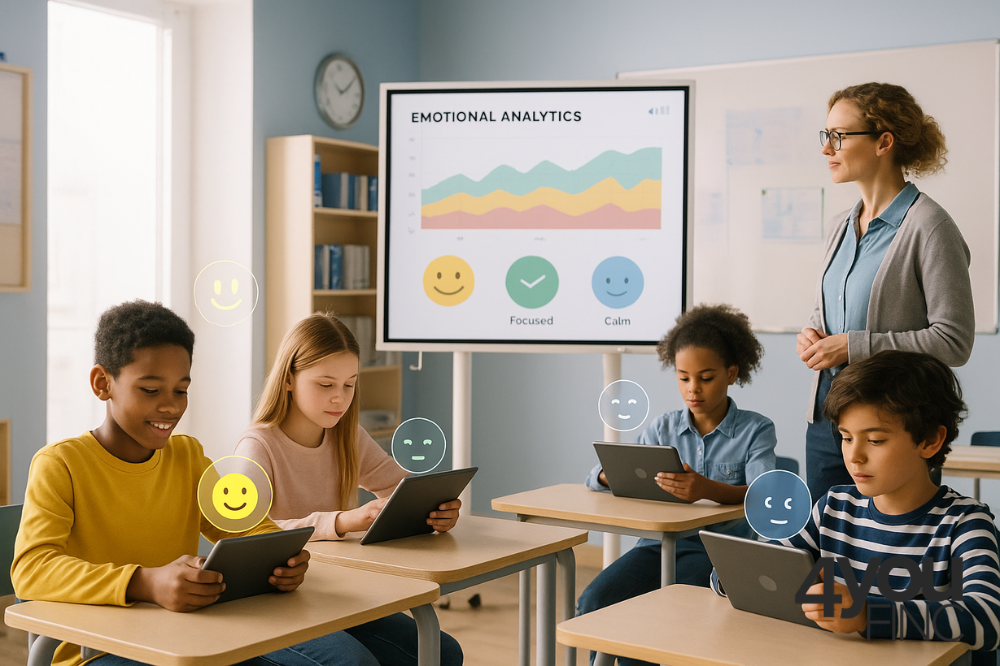
Social Emotional Learning Technology is changing how schools nurture students’ emotional skills. Ever wondered how AI can help kids manage emotions better? This article dives into that world and what it means for schools today.
Understanding social emotional learning technology
Social Emotional Learning (SEL) technology refers to digital tools and platforms designed to support students in developing key emotional and social skills. These skills include self-awareness, self-management, empathy, and effective communication. SEL technology goes beyond traditional teaching by offering interactive experiences that adapt to each student’s emotional needs and learning pace.
At its core, SEL technology aims to create a supportive environment where students can explore emotions safely and learn how to navigate social situations. Imagine a digital coach guiding a student through recognizing feelings like anger or anxiety and suggesting ways to cope with them effectively.
Unlike earlier methods where SEL was taught through face-to-face lessons or static materials, technology-driven SEL uses data and AI to personalize learning. For example, some platforms use sensors or input data to detect emotional cues and then tailor activities to help students practice specific skills.
Today, this technology is becoming vital as schools focus more on mental health and emotional well-being. It’s like having a helpful assistant in the classroom that continuously supports growth beyond academics.
How ai enhances emotional learning
Artificial Intelligence (AI) plays a key role in enhancing emotional learning by adapting activities and feedback to each student’s unique emotional state. AI analyzes data from student interactions, facial expressions, and even voice tone to adjust lessons in real-time, making learning more effective.
With AI, SEL platforms can simulate real-life scenarios for students to practice emotional skills safely. For example, virtual avatars guided by AI can help students role-play conversations, aiding in empathy and communication development. This interaction builds confidence and social skills without real-world risks.
Personalized emotional support
AI-powered SEL tools monitor progress and provide personalized tips or exercises. If a student struggles with anxiety, the system may suggest breathing exercises or mindfulness activities uniquely tailored. This customization helps students feel understood and supported.
Additionally, AI helps teachers identify students who need extra emotional assistance by tracking patterns over time. This early detection means quicker intervention and better overall mental health support.
By making emotional learning interactive, responsive, and tailored, AI improves students’ engagement and helps them develop lasting emotional skills essential for life.
Key features of ai-powered sel platforms
AI-powered Social Emotional Learning (SEL) platforms come with several key features that set them apart from traditional educational tools. These features help students, teachers, and schools address emotional growth effectively and intuitively.
Adaptive learning paths
One of the strongest features is adaptive learning. The platform uses AI to analyze a student’s responses, engagement, and emotional cues, then adjusts the content and difficulty accordingly. This keeps students challenged but not overwhelmed.
Real-time emotion recognition
Many platforms incorporate emotion recognition technology, which uses facial expressions, voice tone, or input data to identify a student’s current emotional state. This allows immediate response with personalized support, such as calming exercises or encouragement.
Interactive simulations
AI-driven SEL platforms often offer interactive role-playing or simulations. These let students practice empathy, conflict resolution, and communication skills in a safe, virtual setting that mimics real-life social situations.
Progress tracking and analytics
Teachers and counselors can access detailed analytics about each student’s emotional development. The system tracks progress over time, highlighting areas needing attention and helping tailor interventions.
Automated feedback and coaching
Automated messages and coaching tips provide ongoing guidance for students. This constant feedback loop encourages consistent practice and reflection beyond the classroom.
By combining these features, AI-powered SEL platforms create a supportive and customized learning experience that helps students build vital emotional and social skills essential for success in school and life.
Benefits for students’ emotional growth
AI-powered Social Emotional Learning (SEL) platforms offer significant benefits for students’ emotional growth by providing personalized support tailored to each learner’s needs. These tools help students develop self-awareness, emotional regulation, and empathy, which are essential skills for school and life.
Improved emotional awareness
SEL technology helps students recognize and label their emotions more accurately. AI-driven exercises and reflections guide them to understand how feelings affect their behavior and decisions.
Enhanced coping strategies
Through interactive modules, students practice managing stress, anxiety, and frustration. The platforms suggest coping techniques, such as deep breathing or positive self-talk, that students can apply in real situations.
Boosted social skills
Students engage in simulated social scenarios that teach communication, cooperation, and conflict resolution. This safe practice environment builds confidence and improves real-world interactions.
Continuous feedback and motivation
Real-time feedback from AI systems encourages students to reflect on progress and stay motivated. Personalized praise and suggestions make emotional learning more engaging.
The integration of these benefits supports well-rounded development, helping students build resilience and emotional intelligence that pave the way for academic success and healthy relationships.
Challenges in adopting sel technology
Adopting Social Emotional Learning (SEL) technology in schools involves several challenges that educators and administrators should be aware of to ensure effective implementation.
Access and equity issues
Not all schools have equal access to the necessary devices and reliable internet connection. This digital divide can limit which students benefit from SEL technology, widening existing gaps.
Privacy and data security concerns
SEL platforms collect sensitive emotional data about students. Protecting this information is critical to maintain trust and comply with legal regulations. Schools must choose providers with strong security measures and clear privacy policies.
Teacher training and readiness
Many educators need proper training to integrate SEL tools efficiently. Without ongoing support, teachers may feel overwhelmed or underprepared, which can affect the quality of delivery.
Cost and budget limitations
The expense of licensing software and purchasing devices may strain school budgets. Sustainable funding plans are essential to maintain the use and updates of SEL technologies.
Technology integration challenges
Effective use of SEL platforms requires smooth integration with existing systems and curricula. Compatibility issues or lack of technical support can hinder adoption.
Addressing these challenges requires thoughtful planning, stakeholder engagement, and investment to fully realize the benefits of SEL technology in schools.
Impact on teachers and classrooms
AI-powered Social Emotional Learning (SEL) technology not only benefits students but also has a profound impact on teachers and classrooms. It acts as a valuable assistant, helping educators manage emotional learning more effectively without adding to their workload.
Streamlined emotional insights
SEL platforms provide teachers with detailed reports on students’ emotional states and progress. These insights allow educators to identify who might need extra support, making interventions more timely and precise.
Enhanced classroom management
By supporting students’ emotional needs, SEL tech helps reduce conflicts and distractions. When students feel understood and guided, classroom environments become calmer and more focused.
Teacher professional development
Many platforms offer training modules and resources helping teachers build their own social emotional skills. This ongoing development improves their interactions with students and colleagues.
Time-saving automation
AI automates routine tasks like progress tracking and feedback, freeing teachers to concentrate on personalized support and lesson planning.
Overall, SEL technology empowers teachers with tools and knowledge that improve both student engagement and classroom harmony.
Privacy and ethical considerations
Privacy and ethical considerations are critical when implementing AI-powered Social Emotional Learning (SEL) platforms in schools. These platforms collect sensitive data about students’ emotions, behaviors, and interactions, requiring strict safeguards.
Data privacy and security
SEL platforms must comply with regulations like FERPA or GDPR to protect student information. Data encryption, secure storage, and limited access are essential to prevent unauthorized use or breaches.
Consent and transparency
Schools should obtain informed consent from parents and students before collecting emotional data. Clear explanations about what data is collected, how it is used, and who can access it build trust among users.
Bias and fairness
AI algorithms can unintentionally reflect biases present in training data. Developers and schools must ensure that SEL tools provide fair treatment to all students, regardless of background, and actively monitor for disparities.
Impact on student autonomy
Using AI to monitor emotions raises questions about students’ autonomy and independence. Enabling students to control their data and understand the technology’s role fosters empowerment rather than surveillance.
Ethical SEL implementation requires ongoing dialogue, careful design, and responsible use to support students’ well-being while protecting their rights.
Real-world examples of sel technology in schools
Several schools have successfully integrated AI-powered Social Emotional Learning (SEL) technology to support students’ emotional growth and improve classroom dynamics. These real-world examples highlight how SEL tools make a difference.
Case study: Lincoln Elementary School
Lincoln Elementary implemented an SEL platform that uses AI to monitor student emotions through interactive games and check-ins. Teachers observed a 30% decrease in classroom disruptions after six months. Students reported feeling more understood and confident.
Case study: Greenfield High School
At Greenfield High, AI-driven SEL software helped identify students at risk of anxiety and provided personalized mindfulness exercises. The platform’s analytics alerted counselors early, enabling timely support and a 20% drop in absenteeism.
Case study: Harmony Middle School
Harmony Middle School used SEL technology to enhance peer collaboration. Virtual role-playing scenarios helped students practice conflict resolution in a safe environment. Teachers reported improved social skills and a 25% increase in positive peer interactions.
These examples show how SEL technology fosters a healthier emotional climate, increases engagement, and equips students with lifelong social skills.
Measuring effectiveness of sel platforms
Measuring the effectiveness of Social Emotional Learning (SEL) platforms is essential to ensure that these tools truly support students’ emotional growth and overall development. Schools use various methods to assess impact.
Data-driven progress tracking
Most SEL platforms provide detailed reports on students’ engagement, emotional states, and skill development. These analytics help educators monitor individual and group progress over time, identifying trends and areas for improvement.
Student self-assessments
Many tools include surveys or reflective exercises where students rate their own feelings and social skills. This feedback gives insight into their perceived growth and helps tailor learning experiences.
Teacher observations and input
Teachers play a vital role in evaluating how SEL impacts classroom behavior and social interactions. Their qualitative input complements quantitative data, offering a fuller picture.
Academic and behavioral outcomes
Research shows effective SEL correlates with improved attendance, higher academic achievement, and fewer disciplinary incidents. Schools often track these indicators alongside platform data to evaluate success.
Combining technology-generated data with human insight creates a comprehensive approach to measuring SEL effectiveness, guiding future improvements and investments.
Integration with traditional education methods
Integrating AI-powered Social Emotional Learning (SEL) platforms with traditional education methods creates a balanced approach that enhances both emotional and academic development. This integration helps schools maintain core teaching values while embracing innovation.
Blending SEL with existing curricula
SEL technology can complement subjects like literature, history, and science by embedding emotional learning into lessons. For example, discussing characters’ feelings or social dilemmas can deepen understanding and empathy.
Supporting teacher-led activities
Teachers can use insights from SEL platforms to inform classroom discussions, group projects, and conflict resolution strategies, making emotional learning tangible and relevant.
Flexible learning environments
Hybrid models allow students to engage with digital SEL tools individually or in small groups, followed by real-time, in-person reflection and practice. This mix enhances retention and meaningful skill development.
Professional development for educators
Training teachers to seamlessly incorporate SEL technology into lesson plans ensures consistent application and maximizes the benefits of both traditional and digital resources.
Effective integration requires thoughtful planning, clear goals, and collaboration between technology developers, educators, and students to create a cohesive learning experience.
Tips for schools to implement sel technology
Successfully implementing Social Emotional Learning (SEL) technology in schools requires careful planning and consideration. Here are some tips to ensure effective adoption and maximize benefits.
Start with clear goals
Define what emotional skills the school aims to develop and how SEL technology aligns with existing priorities. Clear objectives guide platform selection and implementation strategies.
Involve all stakeholders
Engage teachers, parents, and students early in the process. Their input helps choose the right tools and fosters buy-in, which is essential for ongoing success.
Provide teacher training and support
Offer comprehensive training on the technology and SEL principles. Continuous professional development ensures teachers feel confident and capable of using the platforms effectively.
Ensure accessibility and equity
Make sure all students can access the technology, considering devices, internet connectivity, and accommodations for diverse needs to avoid widening gaps.
Integrate with existing curricula
Blend SEL technology with current teaching methods rather than treating it as an add-on. This integration reinforces learning and saves valuable classroom time.
Monitor and evaluate progress
Use data and feedback from the platform to assess impact and identify areas for improvement, making adjustments as needed to optimize outcomes.
By following these tips, schools can foster a supportive environment where SEL technology truly enhances students’ emotional growth and academic success.
Future trends in sel and ai technology
The future of Social Emotional Learning (SEL) and AI technology promises exciting advancements that further personalize and deepen emotional growth for students. Innovations are focused on making SEL more interactive, accessible, and integrated into everyday learning.
Advanced emotion recognition
Future AI tools will use more precise sensors and algorithms to understand subtle emotional cues, like micro-expressions and tone changes, allowing real-time, nuanced feedback for students and teachers.
Immersive learning environments
Virtual and augmented reality will create immersive SEL experiences where students can practice empathy and problem-solving in realistic simulations, enhancing engagement and skill retention.
Cross-platform integration
SEL technology will seamlessly integrate with other educational software and platforms, providing holistic insights into student well-being and academic performance in one unified system.
AI-driven personalized coaching
Students may receive AI-generated personalized coaching plans that adapt dynamically as they grow, offering tailored strategies to develop emotional intelligence based on individual progress.
Greater focus on inclusivity
Future developments will emphasize culturally responsive SEL content and ensure AI systems are free from biases, promoting equitable support for diverse student populations.
As these trends evolve, SEL technology will become an even more powerful tool to nurture emotionally healthy and socially skilled learners ready for future challenges.
Conclusion: Embracing the Future of SEL Technology
AI-powered Social Emotional Learning (SEL) platforms offer a promising path to support student growth and improve classroom dynamics. By combining technology with traditional methods, schools can create a balanced and effective learning experience.
While challenges exist, thoughtful implementation and ongoing support can help schools overcome obstacles and maximize benefits. As AI and SEL continue to evolve, they will empower educators and students alike with personalized emotional tools and insights.
Are you ready to explore how SEL technology can transform your school community and help students thrive both emotionally and academically?


