Being Everywhere at Once: The Revolution of Telepresence Robotics for Work, Health, and Exploration
Telepresence robotics transform how we work, get care, and explore, bringing presence and interaction to a whole new level.
If you feel like your paycheck barely makes it to your account before disappearing, you’re not alone. Many people face this situation—not because of a lack of effort. This post speaks directly about what to do when money feels tight, debts pile up, and stress sets in.
Without promising miracles, I explain where to start: understanding where your money is going, organizing essentials, and cutting whatever possible—even small amounts add up. I share practical tips for renegotiating debts, dealing with banks, and what to avoid (spoiler: quick loans don’t always help).
I also talk about mindset: getting out of the red is not just about math—it’s about building the habit of facing money without guilt and aiming for gradual improvement.
And I emphasize: even with a low income, a fresh start is possible. One step at a time, with patience and the right information, financial turnaround can come.
Telepresence Robotics is changing the way we connect with the world, letting us be ‘present’ without physically being there. Ever wondered how this tech bridges distance for work, health, or exploration? Let’s dive into what makes it so promising and what it means for you.
what is telepresence robotics and how it works
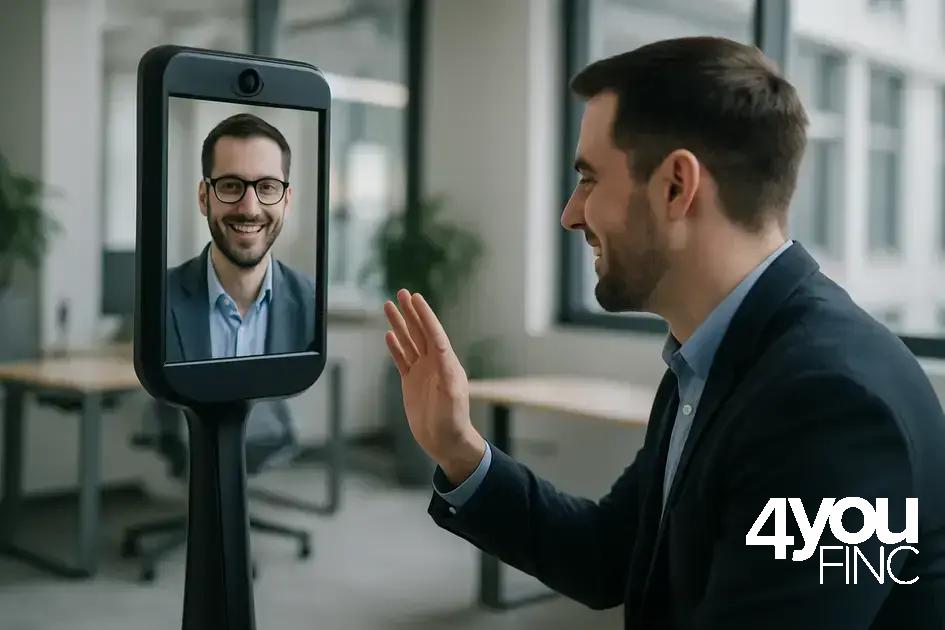
Telepresence robotics refers to a technology that allows a person to be virtually present in a distant location using a robot equipped with cameras, microphones, and screens. These robots transmit audio and video in real time, enabling users to see, hear, and communicate remotely. They typically have mobility features, allowing the operator to navigate through different spaces from afar.
Key Components of Telepresence Robots
A telepresence robot usually includes a display screen to show the operator’s face, cameras to capture the environment, microphones and speakers for conversation, and wheels or treads to move around. This combination helps create a sense of physical presence for remote interaction.
How Telepresence Robotics Works
The user controls the robot through an interface on a computer, tablet, or smartphone. Commands sent over the internet move the robot and manage audio-visual streams simultaneously. This seamless interaction makes telepresence robots effective for meetings, remote assistance, and social interactions.
Applications of Telepresence Robotics
From businesses enabling remote workers to join meetings, to hospitals allowing doctors to consult with patients, telepresence robotics improves accessibility. They also help in education, allowing teachers or students to participate from any location. Additionally, these robots can explore hazardous or hard-to-reach places, expanding our ability to interact with different environments safely.
impact of telepresence robotics on remote work
Telepresence robotics has significantly transformed remote work by bridging the gap between physical presence and virtual interaction. These robots allow remote employees to navigate office spaces, attend meetings, and collaborate with colleagues as if they were on-site, enhancing communication and engagement.
Improving Collaboration
With telepresence robots, workers can actively participate in discussions, share ideas in real time, and access resources located in the office. This dynamic presence reduces feelings of isolation often associated with remote work and promotes a team-oriented environment.
Boosting Productivity
Remote employees using telepresence robots can handle tasks that require physical movement within the workspace, such as inspecting equipment or greeting visitors. This capability increases efficiency and allows for seamless multitasking.
Flexibility and Accessibility
The technology enables workers to connect from virtually anywhere, supporting flexible schedules and work-life balance. This accessibility opens opportunities for companies to hire talent regardless of geographic location, enhancing diversity and inclusion.
Challenges to Consider
Despite the benefits, telepresence robotics can present technical challenges, such as network reliability and the need for proper training. Companies must ensure users feel comfortable with the technology to maximize its advantages.
Overall, telepresence robotics enriches the remote work experience by creating a more interactive and connected environment, making distance less of a barrier to effective collaboration.
advancements in healthcare with telepresence robots
Telepresence robots are revolutionizing healthcare by enabling doctors and nurses to provide care remotely. These robots allow medical professionals to conduct virtual rounds, monitor patients, and consult specialists without being physically present, which increases access to expert care.
Remote Patient Monitoring
Healthcare providers can use telepresence robots to observe patients in real time, check vital signs, and respond quickly to any emergency. This reduces the need for constant in-person visits and helps keep patients safe at home or in care facilities.
Access to Specialists
Telepresence robotics bridge the gap between patients and specialists who might be far away. This is especially useful in rural or underserved areas where access to certain medical experts is limited, ensuring patients receive timely consultations.
Support for Healthcare Staff
Robots help reduce the exposure of healthcare workers to contagious diseases by allowing remote interaction with infectious patients. This technology also helps manage workloads by allowing staff to oversee multiple patients efficiently.
Enhanced Rehabilitation and Therapy
Telepresence robots can assist in physical therapy sessions by guiding patients remotely and providing real-time feedback. This fosters greater independence and consistency in rehabilitation programs.
With continuous advancements, telepresence robotics are becoming critical tools in modern healthcare, improving patient outcomes and expanding the reach of medical services.
role of telepresence robotics in education and training
Telepresence robotics are playing an important role in education and training by enabling remote participation in classrooms, workshops, and practical sessions.
Expanding Access to Learning
Students from different locations can join classes through telepresence robots, allowing real-time interaction with teachers and classmates. This technology helps overcome barriers such as distance, mobility issues, or health concerns.
Interactive Remote Training
In corporate and technical training, telepresence robots allow trainees to engage in hands-on activities remotely. They can navigate training environments, communicate with instructors, and receive immediate feedback, making learning more immersive and effective.
Supporting Inclusive Education
Telepresence robotics assist students with disabilities or special needs by providing a flexible learning experience tailored to individual requirements. They also enable teachers to manage classroom activities more efficiently while connecting with remote learners.
Real-world Practice and Collaboration
Telepresence robots facilitate collaboration between learners across different locations, fostering teamwork and problem-solving skills. They are particularly useful in fields that require practical skills, such as medicine, engineering, and the arts.
As telepresence robotics advance, they continue transforming how education and training are delivered, making knowledge more accessible and interaction more engaging.
exploration and discovery powered by telepresence
Telepresence robotics have opened new frontiers in exploration and discovery by letting humans experience and interact with distant or hazardous environments remotely. These robots are equipped with cameras, sensors, and mobility features that allow operators to explore places that are hard or dangerous to reach.
Exploring Remote Environments
From deep underwater caves to active volcanoes, telepresence robots enable scientists to gather data and visuals without risking personal safety. These robots provide real-time feedback, allowing detailed study and analysis from afar.
Space Exploration
Telepresence robots play a crucial role in space missions. They help astronauts monitor equipment, perform repairs, and explore planetary surfaces remotely. This technology reduces the risk to human life and extends the reach of space exploration.
Archaeological Discoveries
Telepresence robotics allow researchers to access fragile archaeological sites without causing damage. These robots capture high-resolution images and conduct surveys, preserving sites while enabling detailed study.
Enhancing Research and Collaboration
Researchers from different parts of the world can collaborate by sharing control of telepresence robots and the data collected. This shared access fosters global cooperation and accelerates scientific discovery.
As telepresence robots improve, they will continue to advance how we explore and understand our planet and beyond, combining technology and human curiosity in remarkable ways.
challenges and ethical considerations in telepresence robotics
Telepresence robotics bring many benefits, but they also pose challenges and ethical questions that need careful attention. These concerns affect users, developers, and society as a whole.
Technical Challenges
Reliable connectivity is critical for telepresence robots to function smoothly. Interruptions or delays in communication can reduce effectiveness and user experience. Additionally, users may face a learning curve to operate these robots efficiently.
Privacy and Security Concerns
Telepresence robots often collect and transmit audio, video, and data from sensitive environments. Protecting this information from unauthorized access is essential. Ethical use requires clear guidelines on data collection, storage, and sharing.
Impact on Human Interaction
While telepresence enhances remote presence, it may also affect social dynamics. There’s a risk that reliance on robots could reduce face-to-face interactions, potentially impacting relationships and social skills.
Accessibility and Inequality
Access to telepresence technology might be limited by cost or infrastructure, creating disparities in who benefits. Ensuring equitable access is a key ethical consideration for widespread adoption.
Responsibility and Accountability
Determining who is responsible when a telepresence robot malfunctions or causes harm is complex. Clear legal and ethical frameworks are needed to manage liability and ensure safe use.
Balancing innovation with ethical practices and addressing these challenges carefully will shape the future integration of telepresence robotics in society.
the future outlook and innovations in telepresence robotics
The future of telepresence robotics looks promising with rapid innovations enhancing mobility, interaction, and artificial intelligence integration. These advancements aim to make telepresence robots more autonomous, intuitive, and accessible to a wider audience.
Improved Mobility and Navigation
Future telepresence robots will use advanced sensors and AI to navigate complex environments smoothly, avoiding obstacles and adapting to different terrains. This will enable use in diverse settings, from offices to outdoor locations.
Enhanced Interaction Capabilities
Robots are expected to feature better voice recognition, facial expressions, and even gesture controls. This will create more natural communication experiences, making remote presence feel closer to in-person interactions.
AI and Machine Learning Integration
Integrating AI will allow telepresence robots to learn user preferences, anticipate needs, and perform basic tasks autonomously. This helps reduce user effort and improves efficiency during remote engagements.
Broader Accessibility and Applications
As technology advances and costs decrease, telepresence robots will become more accessible for education, healthcare, business, and exploration. This broadens opportunities for people with mobility challenges or those in remote locations.
Collaborative and Social Robots
Future designs may emphasize social interaction, enabling robots to act as companions or assistants in homes and workplaces. This sparks potential for emotional support and collaborative teamwork remotely.
Overall, continuing innovations in telepresence robotics promise to reshape how we connect and interact across distances, blending technology and human experience seamlessly.
The future is bright for telepresence robotics
Telepresence robotics are set to change how we work, learn, explore, and receive care by making remote presence more real and interactive.
While challenges remain, ongoing innovations in mobility, AI, and accessibility will help these robots become more effective and widely used.
As this technology grows, it offers exciting possibilities to connect people in new ways and overcome physical limits.
Embracing telepresence robotics can unlock a future where being everywhere at once is closer to reality than ever before.