
Below the Waves: Designing Sustainable Underwater Cities for Climate Adaptation
Underwater Cities Architecture explores sustainable designs to adapt cities below the waves, tackling climate change with innovative living solutions.
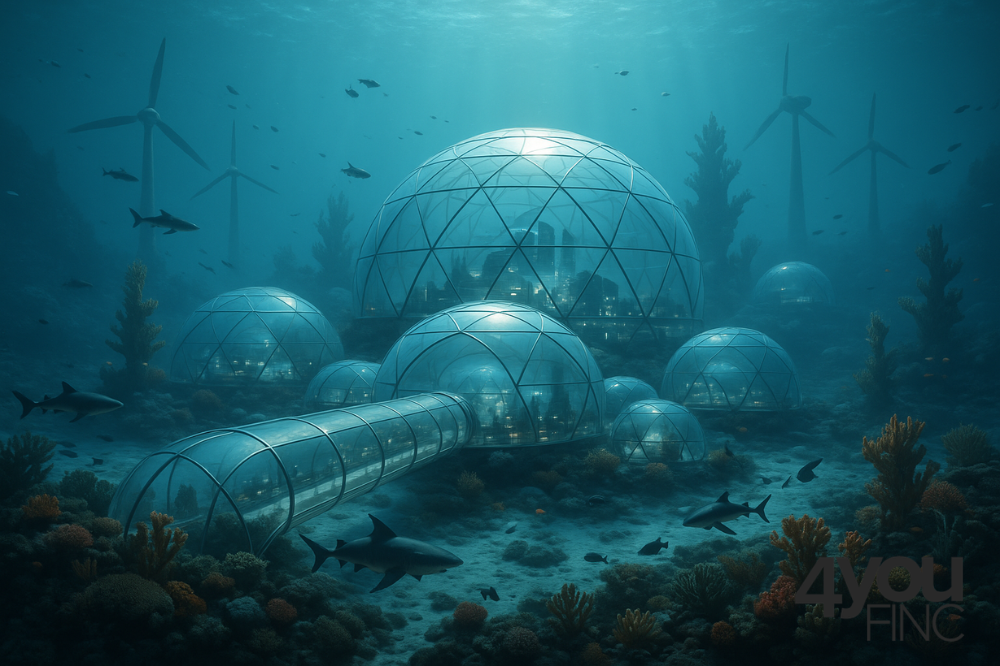
Have you ever wondered how underwater cities architecture might help us face climate challenges? Imagine living below the waves in cities built to withstand rising seas. This article dives into what it takes to design sustainable underwater habitats and why it’s gaining attention today.
What underwater cities architecture means
Underwater cities architecture refers to the design and construction of human habitats located beneath the ocean’s surface. These cities aim to create livable, sustainable environments that withstand the unique challenges of underwater living, such as pressure, corrosion, and limited light. Unlike traditional architecture on land, underwater designs must carefully integrate engineering, environmental science, and technology to ensure safety and comfort.
Imagine a city that behaves like a coral reef, blending with the marine ecosystem while offering modern amenities to its residents. The architecture includes pressurized living modules, transparent habitats with panoramic views, and energy-efficient systems adapted to underwater conditions. It’s more than just buildings; it’s about creating a new way of urban life beneath the waves.
As climate change leads to rising sea levels and increased coastal flooding, underwater cities are being explored as innovative solutions for climate adaptation. They offer a way to preserve land resources and protect human populations. This concept is still developing but carries the potential to revolutionize how we think about living spaces and environmental harmony.
Key Elements of Underwater Cities Architecture
Designers must consider water pressure resistance, oxygen supply, waste management, and sustainable energy. Materials used range from advanced composites to corrosion-resistant metals. Additionally, underwater cities must enable easy access to the surface and maintain biodiversity by minimizing environmental impact.
History and evolution of underwater living concepts
The idea of underwater living has fascinated humans for centuries, starting as myths and futuristic dreams. Early concepts date back to the 17th century, when inventors imagined submerged habitats inspired by the natural world. The 1960s and 1970s marked the first real attempts with projects like Jacques Cousteau’s underwater habitats, which proved people could live beneath the waves for extended periods.
Technological Advances Over Time
Over the decades, advancements in materials, engineering, and life support systems allowed underwater habitats to become more practical. For example, the development of stronger, corrosion-resistant materials helped build pressure-resistant living modules. Innovations in air recycling and energy use improved the safety and sustainability of these environments.
From Research to Urban Concepts
Initially used for research and military purposes, underwater habitats gradually inspired visions of full-scale underwater cities. These concepts aim to address population growth, limited land space, and climate change by offering new living spaces. Projects like the proposed SeaOrbiter and floating cities in the 21st century demonstrate this evolution towards sustainable underwater urbanism.
Understanding this history helps us see how underwater cities architecture is not just science fiction but a growing field grounded in scientific progress and real-world challenges.
Key challenges in designing underwater cities
Designing underwater cities presents several unique challenges that require innovative solutions. One of the primary concerns is the immense water pressure at depth, which can impact the structural integrity of buildings. Engineers must use strong, pressure-resistant materials and advanced construction techniques to ensure safety.
Oxygen and Air Quality Management
Maintaining breathable air inside underwater habitats is critical. Systems must continuously recycle and purify air, removing carbon dioxide and providing fresh oxygen. Failure in these systems could be life-threatening, so redundancy and reliability are key design factors.
Energy Supply Challenges
Providing a stable energy source underwater is complex. Cities must rely on renewable options like tidal, wave, or geothermal energy to reduce reliance on external fuel supplies. Energy storage solutions also play a vital role to handle fluctuating power demands.
Environmental Impact and Sustainability
Underwater construction risks disturbing marine ecosystems. Responsible design must minimize disruption by integrating habitats with natural ocean features and using eco-friendly materials. Protecting biodiversity while building is a continuous challenge.
Waterproofing and Corrosion Resistance
Materials used must withstand long-term exposure to saltwater, which is highly corrosive. Regular maintenance and protective coatings are necessary to prevent degradation and preserve the city’s infrastructure.
Human Comfort and Psychology
Living underwater can affect mental health due to isolation and limited natural light. Designs include large transparent windows, simulated natural lighting, and communal spaces to promote well-being and social interaction.
Addressing these challenges requires multidisciplinary collaboration, advanced technology, and sustainable planning to make underwater cities a feasible reality.
Materials and technology used in underwater construction
Underwater construction demands specialized materials and technology to withstand harsh marine conditions. One common material is reinforced concrete, designed with additives that resist saltwater corrosion and pressure. This ensures the durability and longevity of underwater structures.
Corrosion-Resistant Metals and Alloys
Metals like titanium and marine-grade stainless steel are preferred due to their resistance to rust and corrosion. These materials form the skeleton of underwater habitats, providing strength while maintaining safety in extreme conditions.
Advanced Composites and Polymers
Composite materials combine strength and flexibility, making them ideal for elements that need to withstand dynamic ocean forces. Polymers with waterproof and UV-resistant properties protect structures from degradation over time.
Modular Construction Technology
Modularity allows underwater cities to be built in sections, which can be manufactured on land and assembled underwater. This reduces risks and costs while allowing easier maintenance and expansion.
Life Support and Environmental Systems
Technologies to manage air quality, water purification, and waste removal are critical. Advanced sensors and automation maintain a healthy living environment, ensuring safety and comfort underground.
The combination of innovative materials and cutting-edge technology makes sustainable underwater construction a practical goal.
Environmental benefits of underwater habitats
Underwater habitats offer significant environmental benefits by reducing human impact on land and helping protect fragile ecosystems. By moving parts of urban life under the sea, we can preserve forests, wetlands, and agricultural lands from overuse and destruction.
Supporting Marine Biodiversity
These habitats can be designed to coexist with marine life, often creating new ecosystems around structures. Artificial reefs formed by building foundations encourage fish and coral growth, enhancing local biodiversity and aiding conservation efforts.
Reducing Carbon Footprint
Underwater cities use renewable energy sources such as tidal and wave power, limiting reliance on fossil fuels. This helps in lowering greenhouse gas emissions compared to conventional urban centers.
Minimizing Land-Based Pollution
With waste recycled and treated within underwater systems, there is less contamination of rivers and soil. Closed-loop water and waste management systems also ensure minimal environmental discharge.
Climate Change Adaptation
Underwater habitats provide a buffer against rising sea levels and extreme weather by relocating vulnerable populations. This protects communities without altering coastal landscapes or marine environments drastically.
Overall, underwater habitats align urban growth with ecological preservation, offering a sustainable model for the future.
Energy solutions for submerged cities
Energy solutions for submerged cities must be reliable, sustainable, and adapted to the marine environment. One of the most promising sources is tidal energy, which harnesses the natural movement of ocean tides using underwater turbines. These turbines generate clean electricity without harming marine life.
Wave Energy Technologies
Wave energy converters float on the surface or just below, capturing the energy from waves. This renewable option is abundant and consistent, making it ideal for cities beneath the ocean.
Geothermal and Ocean Thermal Energy
Submerged cities can benefit from the ocean’s thermal layers. Ocean Thermal Energy Conversion (OTEC) exploits temperature differences between warm surface water and cold deep water to produce electricity. Geothermal vents on the ocean floor provide another potential heat source for power generation.
Solar Energy Integration
While sunlight diminishes with depth, surface platforms or floating solar arrays can supply power to underwater habitats through cables. Combining multiple renewable sources increases energy security.
Energy Storage and Efficiency
Energy storage systems like advanced batteries and supercapacitors are critical to manage supply fluctuations. Efficient energy use, smart grids, and low-consumption appliances further support sustainability.
Integrating diverse renewable energy technologies ensures submerged cities remain powered safely and sustainably.
Impact of underwater cities on coastal communities
Underwater cities can significantly impact coastal communities by relieving pressure on crowded land areas and reducing risks linked to climate change. As sea levels rise, many coastal towns face flooding and habitat loss. Moving part of the population underwater offers an innovative way to adapt.
Economic Opportunities
Developing underwater cities can boost local economies by creating jobs in construction, technology, and maintenance. Tourism could also thrive as visitors explore unique underwater environments and habitats.
Environmental Relief
By shifting habitation below the waves, coastal ecosystems like beaches and wetlands can recover from urban development. This supports biodiversity and reduces pollution in coastal waters.
Social and Infrastructure Changes
Transitioning some urban functions underwater means new infrastructure and transport methods. This can reduce congestion on roads and lower the environmental footprint of daily commuting for coastal residents.
Challenges in Community Integration
However, integrating underwater cities with existing communities involves social adaptation, regulatory approval, and ensuring affordable access. Inclusivity and safety will be critical to success.
Overall, underwater cities could reshape coastal living by offering sustainable alternatives, but careful planning is required to balance benefits and challenges.
Governance and legal aspects of underwater living
The governance and legal aspects of underwater living are complex and essential for ensuring safety, rights, and responsible development. Jurisdiction over underwater cities is still a challenge since international laws mainly focus on territorial waters and exclusive economic zones.
International Maritime Laws
Existing maritime laws such as the United Nations Convention on the Law of the Sea (UNCLOS) provide frameworks that could extend to underwater habitats. They govern issues like resource use, environmental protection, and navigation rights, but specific regulations for permanent underwater settlements are lacking.
Property and Ownership Rights
Determining who owns land or structures below sea level is unclear. Laws must address ownership, leasing, and transfer of underwater real estate to avoid disputes and protect residents’ rights.
Safety and Building Regulations
Governance requires clear standards for construction, life safety, emergency management, and environmental impact. These regulations must be developed in collaboration with engineers, marine scientists, and policymakers.
Environmental Compliance
Underwater cities must adhere to strict environmental laws to prevent damage to marine ecosystems. This includes managing waste, emissions, and protecting biodiversity in surrounding waters.
Community Governance
Self-governance models might evolve where residents participate in decision-making processes, creating policies for daily life, resource management, and conflict resolution.
Addressing these legal and governance issues is critical to making underwater living feasible and sustainable in the long term.
Economic feasibility of underwater urban development
The economic feasibility of underwater urban development hinges on balancing high initial costs with long-term benefits. Building underwater requires advanced technology, specialized materials, and complex logistics, making upfront investment significant.
Cost Factors
Major expenses include construction using pressure-resistant materials, life support systems, energy infrastructure, and maintenance. Transportation of materials and workers to underwater sites also adds to costs.
Potential Economic Benefits
Despite high costs, underwater cities can create new economic opportunities in tourism, research, and marine resource management. Businesses focused on ocean technologies and sustainable living could thrive.
Investment and Funding Models
Public-private partnerships, government grants, and venture capital are likely sources of financing. Innovative business models focusing on sustainable urban living can attract investors interested in climate change solutions.
Long-Term Sustainability
Energy-efficient systems, local resource use, and integration with marine ecosystems can reduce operational costs over time. Additionally, underwater cities can buffer land-based infrastructure from climate risks, potentially saving billions in disaster damages.
Economic feasibility depends on technological advances, regulatory support, and societal willingness to invest in a pioneer form of urban living.
Case studies of existing underwater projects
Several existing underwater projects showcase the potential and challenges of underwater living. The Aquarius Reef Base in Florida is a pioneering underwater laboratory used for marine research and astronaut training. It offers insight into long-term human habitation underwater.
SEAMAR DiME Project
The SEAMAR DiME project explores sustainable underwater habitats in the Mediterranean Sea, focusing on eco-friendly design and minimizing environmental impacts. It highlights advances in modular construction and renewable energy.
Ocean Spiral Concept
Developed by Shimizu Corporation in Japan, the Ocean Spiral is a visionary concept for a deep-sea city. It features spiraling structures that reach ocean depths, powered by renewable energy sources like thermal gradients.
Hydropolis in Dubai
Hydropolis is a planned luxury underwater hotel and residential complex. Though not yet built, its designs offer valuable lessons on architectural innovation and public interest in underwater living.
These case studies illustrate how underwater projects combine engineering, sustainability, and human factors to pave the way for future submerged cities.
Steps to plan and develop an underwater city
Planning and developing an underwater city requires careful steps to address engineering, environmental, and human factors. The first step is feasibility study and site selection, assessing ocean depth, seabed conditions, and proximity to shore to ensure safety and accessibility.
Design and Engineering
The next stage involves designing structures that can withstand water pressure and environmental challenges. This includes selecting materials, life support systems, and modular layouts that allow expansion.
Regulatory Approval and Legal Compliance
Developers must secure permits and comply with international and local maritime laws. Environmental impact assessments are essential to minimize harm to marine ecosystems.
Construction and Assembly
Building underwater cities often uses modular components constructed on land and assembled underwater. Advanced robotics and diving teams coordinate this complex process.
Infrastructure and Utilities Setup
This involves installing energy systems, water purification, air recycling, and communication networks. Sustainable solutions like tidal energy and closed-loop waste management are prioritized.
Community Planning and Social Systems
Establishing governance, social services, and emergency protocols ensures a functional society. Resident training and psychological support address challenges of underwater living.
Following these steps systematically increases the chances of creating safe, sustainable underwater cities for future generations.
Future trends in underwater city architecture
Future trends in underwater city architecture point towards increasingly sustainable, adaptive, and technologically advanced designs. One key trend is the use of smart materials that can self-repair and adjust to changing ocean conditions, improving safety and longevity.
Integration of Artificial Intelligence
AI will play a major role in managing underwater city systems, from energy efficiency to environmental monitoring. Intelligent automation will ensure smooth operation and rapid responses to emergencies.
Bio-Inspired and Biomimetic Designs
Architects are looking to nature for inspiration, creating structures that mimic coral reefs or seashells, blending with marine ecosystems and enhancing biodiversity rather than disturbing it.
Flexible and Modular Construction
Future underwater cities are likely to use modular components that can be easily expanded or reconfigured based on population needs and environmental factors.
Renewable Energy Innovations
Advancements in tidal, wave, and thermal energy technologies will provide cleaner, more reliable power for underwater habitats, supporting their independence from land-based grids.
These trends combined will drive the evolution of underwater cities into thriving, sustainable communities that adapt seamlessly to the ocean environment.
Looking Ahead: The Future of Underwater Cities
Underwater city architecture offers a promising path to address climate change and urban challenges. By combining cutting-edge technology, sustainable design, and respect for ocean ecosystems, these cities could transform how we live.
The journey requires overcoming complex challenges, but advances in materials, renewable energy, and smart systems continue to make this vision more achievable. Thoughtful planning and collaboration across disciplines will be key to success.
As our planet changes, underwater habitats might become vital safe havens, balancing human needs with environmental preservation. Exploring these possibilities opens exciting new frontiers for urban living.
You are now better equipped to understand and engage with this innovative field shaping the future below the waves.


